How to Choose a High-Value Hotel in Saudi Arabia: A Professional Framework for Comparing Location, Rooms, Amenities, Service, Reviews, and Booking Value
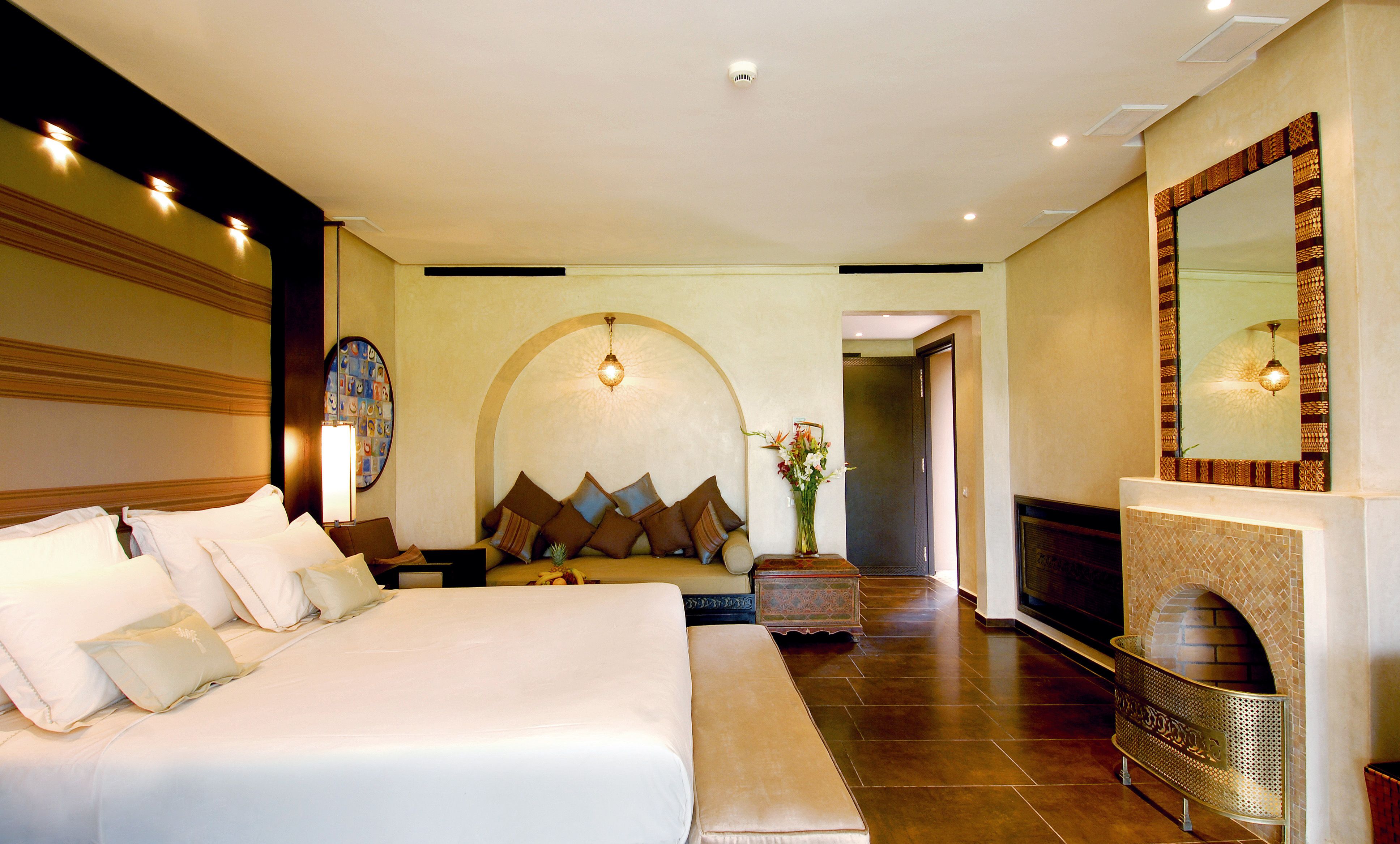
Understanding Hotel Value Beyond the Nightly Rate
Selecting a hotel should be treated as a structured decision rather than a simple search for the lowest available room rate. A professionally evaluated hotel combines location, accommodation quality, facilities, service standards, accessibility, cleanliness, guest feedback, flexibility, and total booking value. The strongest property is not necessarily the most expensive option or the one with the highest star classification. Instead, it is the property that delivers the most relevant combination of benefits for a particular travel purpose.
Travelers researching Hotels & Resorts in Saudi Arabia can encounter a wide range of accommodation styles, from large international properties and full-service urban hotels to boutique accommodations and practical business-focused establishments. This variety makes comparison especially important because two properties with similar published prices can provide very different experiences once location, room size, included services, transportation requirements, and additional charges are considered.
A professional hotel evaluation therefore begins with the travel objective. A short business trip may prioritize proximity to offices, transportation access, workspace quality, reliable connectivity, and efficient service. A leisure stay may place greater importance on room comfort, dining choices, wellness facilities, recreational spaces, and neighborhood character. A family trip can require larger rooms, convenient layouts, practical dining, parking, and easy access to attractions.
Professional principle: The best hotel is the one whose strengths match the purpose of the stay. Price alone is an incomplete measure of value.
1. Start With the Exact Purpose of the Stay
Every hotel comparison should begin with a clear definition of the trip. Without this step, travelers often compare properties using generic criteria that may have little relevance to their actual needs. A hotel can be excellent for business travel while being less suitable for a family holiday, just as a resort can be impressive for a long leisure stay but unnecessarily elaborate for a short overnight business visit.
Business Travel
Business travelers should assess commute time, transportation availability, desk or workspace arrangements, internet reliability, check-in efficiency, breakfast schedules, meeting facilities, and the general convenience of the property. A slightly higher room rate can represent stronger value if it eliminates long daily transfers or provides facilities that reduce the need to work elsewhere.
Leisure Travel
Leisure travelers generally benefit from evaluating the neighborhood, nearby attractions, room comfort, dining options, recreational facilities, views, common spaces, and the atmosphere of the property. A central location may be valuable because it makes sightseeing easier, while a quieter property may be preferable for travelers seeking relaxation.
Family Travel
Families should look beyond the number of beds. Room configuration, bathroom layout, storage, connecting-room options, elevators, parking, dining convenience, and proximity to essential services can have a major effect on the practical quality of a stay.
Short and Extended Stays
For one or two nights, convenience and efficient service can outweigh many secondary features. For longer stays, however, room functionality, storage, laundry options, dining variety, wellness facilities, workspace, and neighborhood convenience become increasingly important.
Expert assessment method: Write down the five things that would make the stay successful before comparing hotels. Those five requirements should receive greater weight than generic hotel features that you may never use.
2. Evaluate Location as a Practical Asset
Hotel location is one of the most important elements of overall value because it influences time, transportation costs, convenience, and the rhythm of the entire trip. A visually impressive hotel in an inconvenient location may provide less practical value than a simpler property positioned close to the places that matter most.
When evaluating Hotels in Riyadh, for example, travelers should think beyond a broad city label and consider the relationship between the hotel and their actual destinations. A central location can be highly useful for some itineraries, while a property closer to a business district or specific activity may be more efficient for another traveler.
The same principle applies when reviewing Hotels in Jeddah. Travelers should consider their daily route, transportation preferences, nearby dining, shopping, entertainment, business destinations, and the amount of time they are willing to spend traveling between the hotel and planned activities.
Location Factors Worth Measuring
- Distance from the primary destination.
- Typical travel time rather than distance alone.
- Availability of taxis and transportation services.
- Ease of reaching major roads and transport connections.
- Nearby restaurants, cafés, shops, and essential services.
- Suitability of the surrounding environment for the purpose of the trip.
- Parking accessibility when traveling by car.
- Potential time lost to daily transportation.
A useful professional technique is to estimate the total transportation burden over the entire stay. Saving a modest amount on the room may not represent a genuine saving if the hotel requires lengthy daily transfers or additional transportation expenses.
3. Assess the Room as the Core Product
The guest room remains the central product of most hotels. Public areas can create a strong first impression, but travelers spend a substantial portion of their stay inside the room. Professional evaluation should therefore examine the room as a functional environment rather than focusing only on decoration.
Room size is important, but usable space can be more meaningful than the advertised square footage. A well-designed room with efficient furniture placement may feel more comfortable than a larger room with poor circulation. Travelers should consider the position of the bed, work area, seating, luggage storage, wardrobe, bathroom entrance, and available walking space.
Room Comfort Checklist
- Mattress and bedding quality.
- Pillow selection and sleeping comfort.
- Noise insulation and nighttime environment.
- Lighting quality and flexibility.
- Air-conditioning performance and controls.
- Desk or working surface where required.
- Power outlets in practical locations.
- Storage capacity for the expected length of stay.
- Bathroom design and available counter space.
- Shower pressure and water temperature consistency.
- Quality and condition of furnishings.
- Overall cleanliness and maintenance.
Travelers should also distinguish between design quality and maintenance quality. Attractive furniture does not automatically indicate excellent accommodation. A professional review considers whether the room remains functional, clean, well-maintained, and comfortable after the initial visual impression has faded.
4. Examine Bathroom Quality Carefully
The bathroom is often one of the clearest indicators of how carefully a hotel manages its guest rooms. A well-designed bathroom can significantly improve the perceived quality of a stay, while poor maintenance can undermine an otherwise impressive property.
Evaluation should include shower functionality, water pressure, drainage, ventilation, cleanliness, lighting, towels, toiletries, storage, mirrors, and the overall condition of fixtures. For longer stays, adequate counter space and storage become increasingly useful.
Practical insight: When reading hotel reviews, recurring comments about bathrooms can be more useful than isolated comments about decorative details. Repeated maintenance observations may reveal a pattern that promotional photography cannot show.
5. Compare Hotel Amenities by Actual Usefulness
Modern hotels can offer an extensive list of amenities, but a long amenities list should not automatically translate into a higher evaluation. The important question is whether the available facilities are useful to the intended guest.
A business traveler may value fast connectivity, meeting rooms, a practical workspace, breakfast convenience, and efficient laundry services more than a large recreational facility. A leisure traveler may prioritize a swimming pool, wellness facilities, restaurants, lounge areas, and attractive outdoor spaces.
Amenities should therefore be evaluated according to three dimensions: availability, quality, and accessibility. A facility that exists but has limited operating hours or requires additional charges may provide less value than expected.
High-Value Amenity Categories
- Connectivity: dependable internet and adequate mobile connectivity.
- Food and beverage: practical dining choices and suitable operating hours.
- Wellness: fitness and relaxation facilities where relevant.
- Business: meeting spaces and functional work environments.
- Transportation: parking, transfers, or convenient access to transportation.
- Family convenience: room configurations and facilities that simplify family stays.
- Accessibility: facilities that accommodate different mobility requirements.
6. Use a Structured Hotel Comparison Model
Professional hotel comparison becomes much easier when the evaluation is converted into measurable categories. The following framework can be adapted to different types of trips and provides a consistent method for comparing properties.
| Evaluation Category |
What to Examine |
Suggested Importance |
Professional Question |
| Location |
Travel time, access, surroundings, transportation |
Very High |
Will this location make the itinerary easier? |
| Room Quality |
Comfort, layout, cleanliness, maintenance |
Very High |
Will the room remain comfortable throughout the stay? |
| Service |
Responsiveness, efficiency, consistency |
High |
Does the property deliver reliable guest support? |
| Facilities |
Dining, fitness, recreation, business facilities |
Medium to High |
Are the facilities relevant to this trip? |
| Guest Reviews |
Patterns, recent experiences, recurring issues |
High |
Do independent experiences support the hotel’s claims? |
| Price and Value |
Total cost, inclusions, fees, flexibility |
Very High |
What do I actually receive for the total amount paid? |
| Convenience |
Check-in, parking, transport, dining access |
High |
Will the hotel reduce unnecessary effort during the stay? |
7. Understand the Difference Between Price and Value
Hotel price is an important consideration, but it should not be treated as a direct measurement of quality. Value represents the relationship between total cost and the benefits actually received. This distinction becomes particularly important when comparing hotels with different inclusions.
One hotel may appear less expensive at first glance but charge separately for services that another property includes. Another property may have a higher headline rate but provide a more convenient location, better room configuration, breakfast, parking, or flexible booking conditions.
The correct comparison is therefore based on the final expected cost rather than the first displayed rate.
Simple value formula:
Hotel Value = Relevant Benefits + Convenience + Quality + Flexibility − Total Cost
This is a decision-making framework rather than a financial formula. Its purpose is to encourage travelers to consider the entire experience instead of the room price alone.
8. Analyze What Is Included in the Booking
Booking inclusions can significantly change the real value of a hotel. Travelers should identify exactly what is included before comparing two properties. Breakfast, parking, internet access, taxes, service charges, access to certain facilities, and cancellation conditions can all influence the final decision.
A professional hotel comparison should distinguish between included features and optional upgrades. Travelers should also determine whether the advertised room price represents the complete expected cost or only the starting rate.
Questions to Ask Before Booking
- Is breakfast included?
- Are applicable taxes already reflected?
- Is parking included or charged separately?
- Are there additional service charges?
- What are the cancellation conditions?
- Is the displayed room category the actual room being compared?
- Are facilities included for every guest or only certain booking categories?
- Are there additional charges for extra occupants or special requests?
9. Read Guest Reviews Like a Professional
Guest reviews are valuable because they can reveal practical details that are difficult to understand from official hotel descriptions. However, reading reviews requires judgment. A professional reviewer does not treat every comment as equally reliable or representative.
The strongest approach is to identify recurring patterns. If many independent guests mention similar observations about cleanliness, noise, room comfort, service speed, or location convenience, the pattern deserves attention. A single unusually positive or negative review should generally receive less weight than repeated observations.
Travelers researching articles reviewing accommodation can use professional review content as a starting point for identifying the categories that deserve closer attention before making a booking decision.
What to Look for in Reviews
- Repeated comments about cleanliness.
- Consistent praise or criticism of service.
- Noise observations from multiple guests.
- Accuracy of room descriptions.
- Actual condition of facilities.
- Breakfast quality and variety where applicable.
- Ease of check-in and check-out.
- How the hotel handles problems when they occur.
- Whether recent reviews reflect the current operating condition.
10. Separate Isolated Problems From Recurring Problems
No hotel operates without occasional problems. The more meaningful question is how frequently issues occur and how effectively the property responds. A single complaint about a room problem may not indicate a systematic weakness if other reviews describe strong maintenance and responsive staff.
Conversely, recurring complaints about the same issue should not be dismissed simply because the hotel has attractive photographs or a high classification. Professional evaluation looks for consistency across multiple sources and time periods.
Review-reading rule: Search for patterns rather than dramatic individual stories. Repetition is generally more informative than intensity.
11. Evaluate Service as an Operational Standard
Service quality can be difficult to measure from a property description, but it is often one of the most influential factors in the guest experience. Professional evaluation should consider responsiveness, communication, check-in efficiency, housekeeping consistency, maintenance response, and the ability of staff to resolve reasonable requests.
Good service is not necessarily about excessive formality. In many cases, the most valuable service is efficient and unobtrusive. Guests want clear communication, accurate information, quick solutions, and a smooth experience.
A hotel with excellent physical facilities can still receive weaker evaluations if operational execution is inconsistent. Conversely, a well-managed property can generate strong loyalty even when its physical facilities are not the newest in the market.
12. Consider Cleanliness and Maintenance Separately
Cleanliness and maintenance are closely related but should be evaluated separately. Cleanliness concerns the immediate condition of guest spaces, while maintenance concerns the physical functionality and condition of the property.
A room can be clean but contain worn fixtures, damaged furniture, unreliable lighting, or poorly functioning equipment. Similarly, a well-maintained building can still provide a disappointing experience if housekeeping standards are inconsistent.
Maintenance Indicators
- Condition of doors and locks.
- Furniture stability and finish.
- Bathroom fixtures.
- Lighting and electrical equipment.
- Air-conditioning controls.
- Elevator condition and availability.
- Common-area upkeep.
- Condition of carpets, flooring, and walls.
13. Examine Dining Options According to Your Schedule
Dining convenience can become a major factor during a hotel stay, particularly for business travelers, families, and guests with demanding schedules. A hotel may offer several restaurants but still be inconvenient if operating hours do not match the guest’s itinerary.
Evaluation should include the number of dining options, meal availability, breakfast schedule, room-service availability where offered, nearby alternatives, and the general convenience of accessing food without unnecessary travel.
Travelers should also consider whether dining facilities are designed primarily for occasional use or whether they can comfortably support an extended stay without creating repetitive choices.
14. Review Accessibility and Transportation Convenience
Accessibility should be considered from both a transportation and physical perspective. A hotel may have an excellent location but still create practical difficulties if access roads are inconvenient, parking is limited, or the building layout makes movement unnecessarily difficult.
Travelers should assess entrance accessibility, elevators, room access, parking arrangements, transportation availability, and the ease of moving luggage. These factors can have an especially significant effect on family travel, extended stays, and guests with specific mobility requirements.
15. Compare Different Hotel Categories Correctly
Comparing hotels only by star category can lead to misleading conclusions. Different properties can be designed around completely different guest priorities. A boutique hotel may offer a distinctive atmosphere, while a large full-service hotel may provide a broader range of facilities.
The appropriate comparison should therefore be between properties serving a similar purpose. Travelers should compare like with like whenever possible: business hotels with business hotels, family-oriented properties with comparable family accommodation, and leisure-focused properties with similar leisure offerings.
16. Assess Hotels in Major Saudi Destinations According to Trip Type
Saudi Arabia offers a broad range of travel purposes, and accommodation decisions can vary substantially between destinations. Travelers considering Hotels in Mecca may place particular importance on accessibility, transportation convenience, room practicality, and the ability to manage a demanding daily schedule.
When comparing Hotels in Medina, travelers should similarly examine location relative to their intended destinations, transportation arrangements, room comfort, dining convenience, and the practical needs of the stay.
The key professional principle remains the same across destinations: evaluate the property according to the actual itinerary rather than assuming that the most expensive or most highly classified hotel will automatically be the best fit.
17. Consider the Hotel's Surrounding Environment
A hotel should not be evaluated as an isolated building. The surrounding environment contributes significantly to the guest experience. Nearby restaurants, shopping, transportation, business districts, attractions, and essential services can add substantial practical value.
Travelers should also consider the character of the immediate surroundings. Some guests prefer a lively environment with many options nearby, while others prioritize a quieter setting. Neither approach is universally superior; the correct choice depends on the travel objective.
18. Think About Time as Part of the Booking Cost
Time is one of the most overlooked components of hotel value. Travelers often calculate the room cost precisely while ignoring the hours spent traveling to and from the property.
A conveniently located hotel can effectively save time every day. Over a week-long stay, even modest daily transportation savings can become significant. This is why professional hotel evaluation should include both monetary cost and time cost.
Time-value principle: If a hotel saves meaningful travel time every day without compromising essential quality, its higher room rate may represent better overall value.
19. Analyze Flexibility Before Finalizing a Reservation
Flexibility becomes increasingly important when travel plans may change. Cancellation rules, modification policies, check-in requirements, payment conditions, and room availability can influence the practical value of a booking.
Travelers should avoid comparing only the headline price when two bookings have substantially different conditions. A slightly more flexible reservation may be worth the additional cost when the itinerary is uncertain.
20. Avoid Overvaluing Hotel Photography
Professional photography is useful for understanding layout and design, but photographs should never be treated as a complete representation of hotel quality. Images are usually selected to highlight attractive areas and may not show ordinary rooms, maintenance details, service performance, noise levels, or the surrounding environment.
The best approach is to use photographs for visual confirmation and combine them with room descriptions, facility information, guest feedback, and location analysis. This produces a more balanced evaluation.
21. Build a Personal Hotel Scorecard
A scorecard can make hotel comparison faster and more objective. Assign a score from one to ten to each category, then apply greater weight to the factors that matter most for the trip.
Suggested scorecard categories:
- Location and accessibility — 20%
- Room comfort and condition — 20%
- Service quality — 15%
- Cleanliness and maintenance — 15%
- Facilities and amenities — 10%
- Guest review consistency — 10%
- Price and total booking value — 10%
These percentages are a starting framework. Business travelers, families, leisure travelers, and long-stay guests can adjust the weighting to reflect their priorities.
22. Look for Consistency Across the Entire Property
Strong hotel performance is usually characterized by consistency. A property with an impressive lobby but average rooms, excellent rooms but weak service, or attractive facilities with poor maintenance may not deliver a balanced experience.
Professional evaluation therefore considers the complete guest journey: discovery, booking, arrival, check-in, room experience, facility use, dining, service interactions, problem resolution, and departure.
This holistic approach is particularly useful when comparing properties with similar prices because it identifies differences that individual categories might overlook.
23. Identify the Hotel's Strongest Competitive Advantage
Every strong hotel should have one or more characteristics that distinguish it from competing properties. That advantage could be location, room quality, service, design, facilities, convenience, value, or a specialized experience.
Travelers should ask a simple question: What does this hotel do particularly well? If the answer aligns with the primary purpose of the trip, the property deserves greater consideration.
24. Recognize the Difference Between Luxury and Comfort
Luxury and comfort are related but not identical. A hotel can use premium materials, elaborate decoration, and extensive facilities while failing to provide the practical comfort that guests need. Another property may have a restrained design but offer excellent beds, quiet rooms, efficient climate control, responsive service, and convenient layouts.
Professional evaluation should therefore measure luxury according to meaningful guest benefits rather than visual extravagance alone.
25. Consider Long-Term Guest Satisfaction
A hotel that creates a strong first impression may not necessarily become a preferred repeat property. Long-term satisfaction is more closely connected to consistent service, reliable room quality, predictable standards, convenient location, and the hotel's ability to meet expectations repeatedly.
Travelers who frequently visit Saudi Arabia can benefit from maintaining a personal shortlist of properties that consistently meet their requirements. Over time, this can make future accommodation decisions faster and more reliable.
26. A Professional Pre-Booking Inspection Checklist
Before completing a hotel reservation, run through a final checklist. This prevents small details from being overlooked when comparing multiple properties.
- Confirm the hotel location relative to the primary purpose of the trip.
- Check the exact room category rather than relying on generic photographs.
- Review room size and configuration.
- Examine bathroom details.
- Confirm included amenities.
- Review breakfast and dining arrangements.
- Check parking and transportation options.
- Read recent guest feedback.
- Identify recurring positive and negative patterns.
- Compare the total booking cost.
- Review cancellation and modification conditions.
- Confirm any special requirements before booking.
27. How to Compare Three Hotels Efficiently
When three properties appear equally attractive, avoid repeatedly reading every description from beginning to end. Instead, create a comparison grid with the same categories for all three hotels.
| Factor |
Hotel A |
Hotel B |
Hotel C |
| Location |
Score 1–10 |
Score 1–10 |
Score 1–10 |
| Room Comfort |
Score 1–10 |
Score 1–10 |
Score 1–10 |
| Cleanliness |
Score 1–10 |
Score 1–10 |
Score 1–10 |
| Service |
Score 1–10 |
Score 1–10 |
Score 1–10 |
| Facilities |
Score 1–10 |
Score 1–10 |
Score 1–10 |
| Reviews |
Score 1–10 |
Score 1–10 |
Score 1–10 |
| Total Value |
Score 1–10 |
Score 1–10 |
Score 1–10 |
This method reduces emotional decision-making and makes it easier to identify which hotel actually performs best across the categories that matter.
28. Use Search Intent to Improve Hotel Research
Travelers often begin with broad searches such as “best hotel” or “luxury hotel,” but more specific searches can produce more useful information. Search intent should evolve as the traveler becomes more certain about the trip.
Useful research themes include hotel location, room categories, guest reviews, facilities, family suitability, business suitability, parking, breakfast, cancellation conditions, and nearby attractions. Combining these search themes creates a more complete picture of the property.
A focused research process also reduces the likelihood of selecting a hotel simply because it appears prominently in a generic search result.
29. Why Professional Hotel Reviews Need Context
A meaningful hotel review should explain not only what a property offers, but also who is likely to benefit from those features. A large conference facility is valuable to one type of traveler and largely irrelevant to another. A central location can be ideal for sightseeing but unnecessary for someone attending a specific event elsewhere.
Context transforms a hotel review from a list of facilities into a useful decision-making resource. The objective should be to help readers understand whether the property fits their specific needs.
30. The Final Decision Framework Before Booking
Before choosing a hotel, reduce the decision to several fundamental questions. Is the location suitable? Is the room appropriate for the number of guests and length of stay? Are the important facilities available? Does the service reputation appear consistent? Do guest reviews support the expected quality? Is the total price reasonable for the benefits provided? Are the booking conditions appropriate for the level of flexibility required?
If the answer is positive across these categories, the property is likely to represent a well-matched choice. If one major category is significantly weaker, travelers should determine whether that weakness matters for their particular itinerary.
Professional decision rule: Do not ask only, “Is this a good hotel?” Ask, “Is this the right hotel for this trip, at this total cost, with these conditions, for these priorities?”
Frequently Asked Questions About Choosing Hotels
What is the most important factor when choosing a hotel?
Location and room quality are usually among the most important factors, but the correct priority depends on the purpose of the trip. A business traveler may prioritize transportation and workspace, while a leisure traveler may give greater importance to facilities, atmosphere, and nearby attractions.
Is a more expensive hotel always better?
No. Higher prices can reflect location, brand positioning, facilities, room size, service levels, or other characteristics, but price alone does not guarantee that a property is the best match. The stronger approach is to compare total benefits against total cost.
How important are guest reviews?
Guest reviews are highly useful when analyzed as patterns rather than isolated comments. Repeated observations about cleanliness, service, noise, room condition, or location can reveal practical information that may not appear in official descriptions.
Should travelers focus on hotel stars?
Star classification can provide useful context, but it should not replace detailed comparison. Travelers should also evaluate room quality, service, facilities, maintenance, location, guest feedback, and booking value.
What should be checked before paying for a hotel?
Confirm the exact room category, total price, taxes and applicable charges, included services, cancellation terms, parking arrangements, occupancy conditions, and any important special requirements.
How can travelers find better hotel value?
Compare several properties using the same criteria, calculate the total expected cost, examine recurring guest feedback, and give greater weight to the factors that directly affect the purpose of the trip.
Professional Hotel Selection Checklist
- Define the purpose of the trip.
- Choose the most useful location.
- Compare the exact room categories.
- Evaluate bed, bathroom, workspace, storage, and noise conditions.
- Review cleanliness and maintenance patterns.
- Assess the facilities that actually matter.
- Compare dining convenience.
- Check transportation and parking.
- Study recent guest reviews.
- Separate recurring issues from isolated complaints.
- Calculate the total booking cost.
- Review cancellation and modification conditions.
- Compare overall value rather than headline price.
- Choose the property whose strongest advantages align with the trip.
A disciplined hotel-selection process transforms accommodation research from a basic price comparison into a professional evaluation of comfort, convenience, reliability, and total value. Whether the trip involves business, leisure, family travel, a short stay, or an extended visit, the most useful comparison is the one that connects hotel characteristics directly to the traveler's priorities.
The strongest hotel decision is ultimately based on evidence, relevance, and consistency. Location should be measured against the itinerary, rooms should be assessed for real comfort, amenities should be judged by practical usefulness, service should be evaluated through recurring guest experiences, and price should always be considered alongside what the booking actually delivers.

Comments
Post a Comment