A successful wardrobe is rarely about owning the greatest number of garments. It is about choosing pieces that work together, feel comfortable, suit the occasion, and continue to look relevant after the initial excitement of a new purchase has disappeared. Among all wardrobe categories, women’s tops are particularly important because they influence the visual character of an outfit more directly than many other pieces. A simple pair of trousers can appear relaxed, professional, feminine, modern, or sophisticated depending on the top worn with it.
That is why building a thoughtful tops collection requires more than selecting attractive colors. The best approach considers silhouette, fabric, neckline, sleeve length, proportions, layering potential, care requirements, and the existing wardrobe. A carefully selected Women’s Classic Cotton T-Shirt, for example, can become the foundation of numerous outfits when its fit and fabric are appropriate for the wearer’s lifestyle.
Professional wardrobe principle: Every top should have a clear role. It can be a foundation piece, a statement piece, a layering piece, a workwear essential, an occasion piece, or a versatile bridge between several categories.
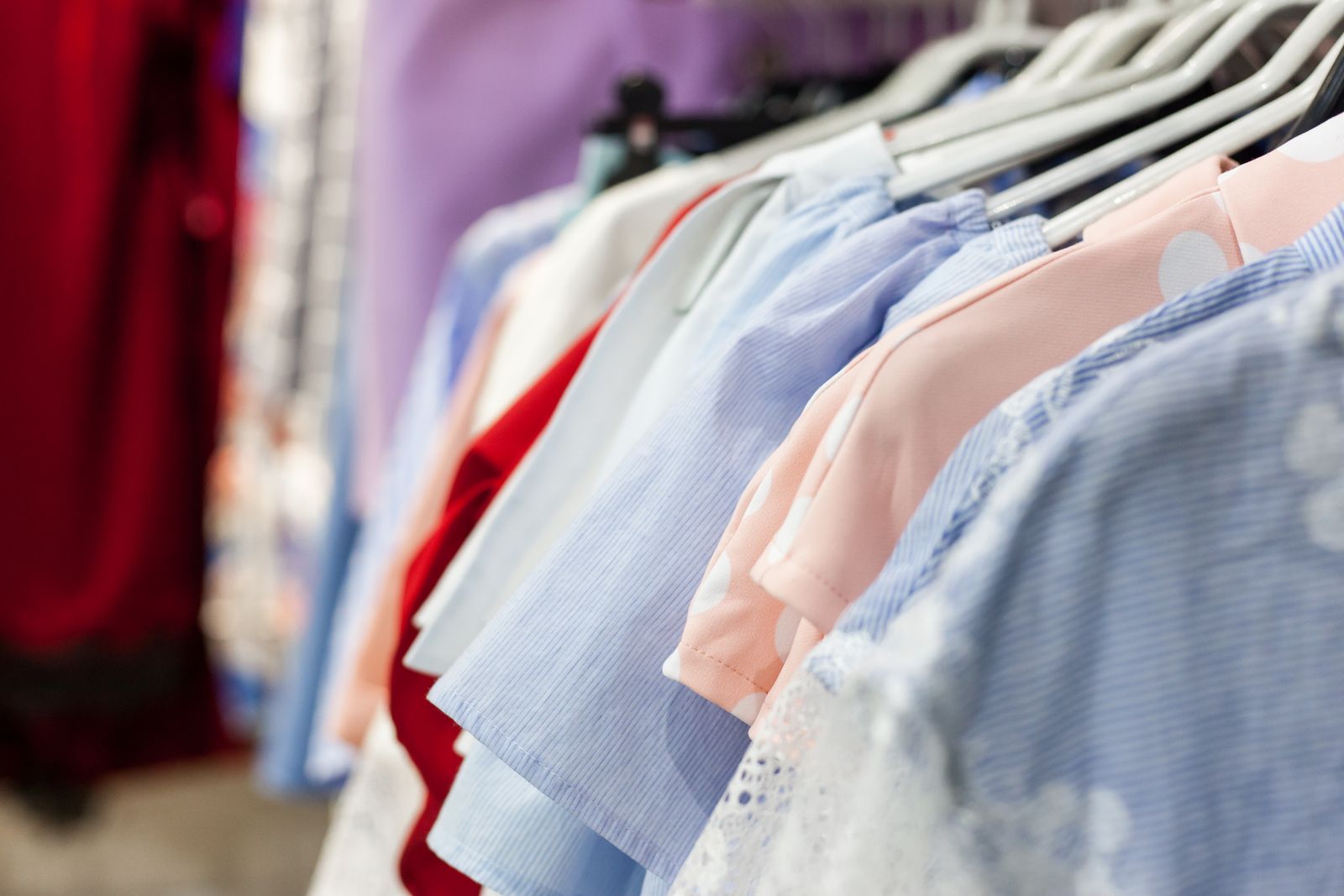
A carefully organized selection of tops can make everyday outfit planning easier and more intentional.
Why Women’s Tops Deserve a Strategic Place in the Wardrobe
Tops sit close to the face, which means their neckline, color, texture, and shape can significantly influence the overall appearance of an outfit. They are also among the garments that change most visibly between seasons. A lightweight short-sleeve top may dominate a summer wardrobe, while a long-sleeve base layer can become essential during cooler months. A satin blouse can elevate tailored trousers for an evening event, while a relaxed cotton style can make denim look polished without appearing formal.
This versatility makes tops one of the most useful categories for creating a wardrobe with high outfit potential. Instead of purchasing individual garments that look attractive in isolation, consider how each new piece interacts with what you already own. A useful question is not simply, “Do I like this top?” but rather, “How many complete outfits can this top realistically create?”
For a minimalist wardrobe, versatility is especially valuable. A neutral top that works with denim, tailored trousers, skirts, and layered jackets may provide more practical value than a highly specific statement item that works with only one or two combinations.
Understanding the Main Categories of Women’s Tops
The word “top” covers a remarkably broad range of silhouettes. Understanding the role of each category makes shopping and styling more deliberate.
Classic T-Shirts
A classic T-shirt is one of the most dependable wardrobe foundations. The strongest versions generally have a clean neckline, comfortable shoulder construction, and fabric substantial enough to maintain its shape without becoming uncomfortable. Neutral shades such as white, black, cream, navy, gray, and soft beige can work as visual anchors.
A classic T-shirt can be worn alone with jeans, tucked into a tailored skirt, layered beneath a blazer, or combined with wide-leg trousers for a relaxed contemporary silhouette. For those building a practical capsule wardrobe, the Women’s Oversized Crew Neck T-Shirt can also provide a different proportion from a traditional fitted tee.
Ribbed Tops
Ribbed tops introduce texture while maintaining a relatively simple silhouette. The vertical texture can create visual rhythm and often works particularly well under jackets, overshirts, and cardigans. Ribbed fabric may also offer a closer fit, making these tops useful when a streamlined base layer is desired.
The Women’s Ribbed Short Sleeve Top category can be particularly useful for transitional outfits because it combines the ease of a short sleeve with the added visual interest of textured fabric.
Long-Sleeve Basics
Long-sleeve tops are essential for layering. They can be worn beneath sweaters, jackets, vests, and sleeveless dresses, or styled independently with trousers and skirts. A refined long-sleeve basic should ideally have sleeves that sit comfortably at the wrist and a neckline that works with the outer layers in the wardrobe.
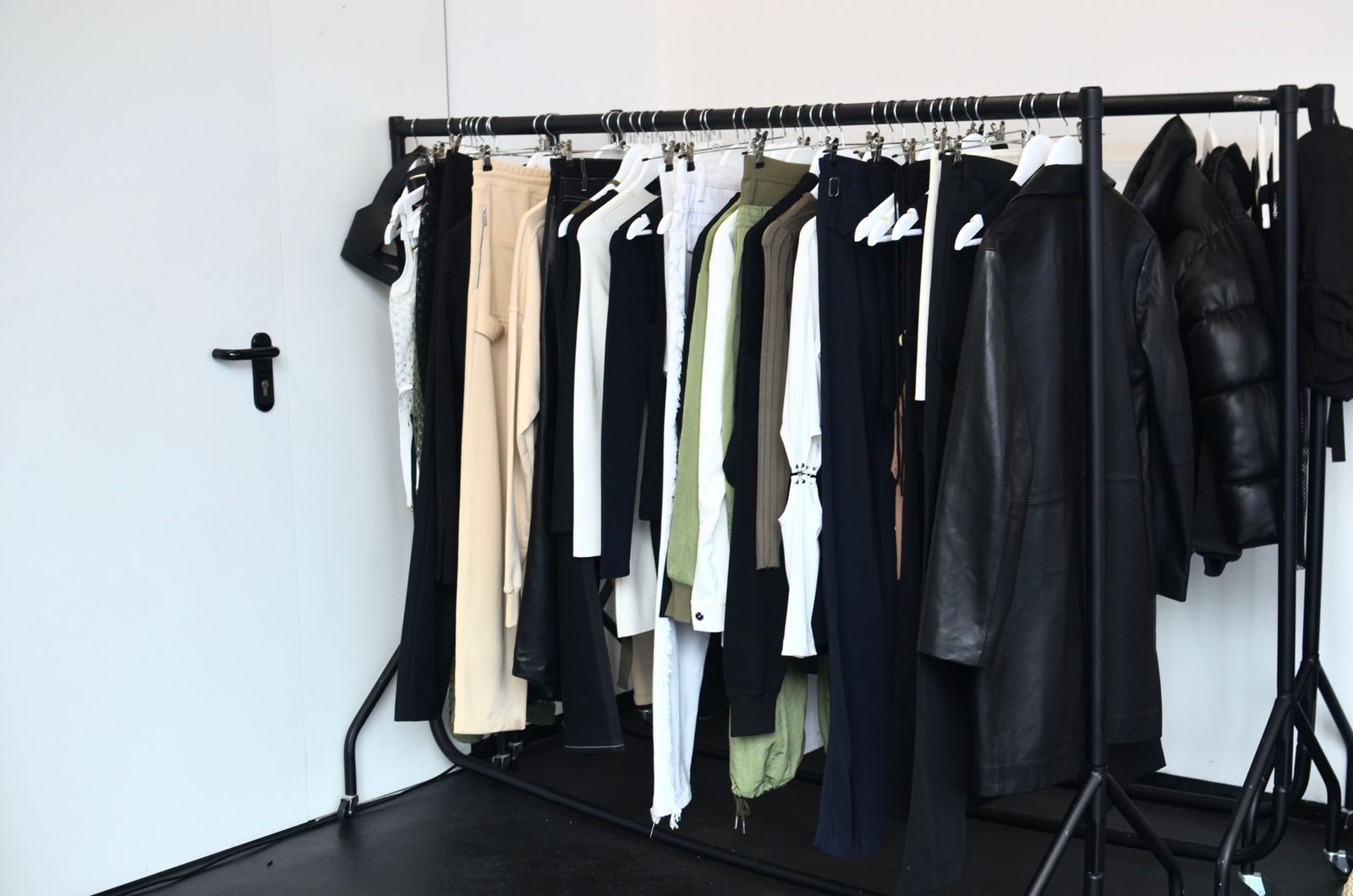
Different silhouettes create more outfit combinations when they are selected intentionally.
Blouses
Blouses generally introduce a more polished visual language than basic T-shirts. They may feature collars, buttons, pleats, draping, subtle gathers, fluid fabrics, or distinctive cuffs. A blouse can transform basic trousers into an office-ready outfit or give denim a more elevated appearance.
A Women’s V-Neck Blouse is one example of a silhouette that can create an elongated neckline and work effectively with tailored bottoms, denim, and layered jackets.
Satin and Fluid Button-Up Styles
Satin button-up blouses are often associated with refined dressing because their surface catches and reflects light. The result can be elegant without requiring complicated styling. They can be worn tucked into trousers, loosely over fitted bottoms, or underneath structured jackets.
The Women’s Satin Button-Up Blouse category can serve as a useful bridge between daytime polish and evening sophistication.
Fit: The Foundation of a Professional-Looking Top
Fit is often more important than price, trend status, or brand recognition. An inexpensive top with excellent proportions can look more polished than a premium garment that does not sit correctly on the body.
When evaluating fit, examine the shoulder seam first. On a conventional structured top, the shoulder seam should generally align naturally with the shoulder rather than pulling sharply inward or falling excessively far down unless the design is intentionally oversized. Next, observe the bust and torso area. Buttons should lie flat, fabric should not create excessive horizontal strain, and the garment should allow comfortable movement.
Sleeves deserve equal attention. Short sleeves that end at an awkward point can change the perceived proportion of the upper body, while overly long sleeves may make an otherwise polished garment appear unfinished. For long sleeves, check the wrist position and whether the cuff works naturally with watches, bracelets, jackets, or sweaters.
| Fit Element |
What to Check |
Why It Matters |
| Shoulders |
Seams, drape, movement |
Creates the foundation of the silhouette |
| Chest |
Pulling, gaping, excess fabric |
Influences comfort and polish |
| Waist |
Shape and ease |
Determines whether the top looks structured or relaxed |
| Sleeves |
Length and width |
Affects proportion and layering |
| Hem |
Length and shape |
Determines tuck, untuck, or layering options |
Choosing Between Fitted, Relaxed, and Oversized Silhouettes
Modern wardrobes benefit from variety in proportion. A collection made entirely of fitted tops may feel restrictive, while a wardrobe containing only oversized silhouettes can make some outfits difficult to balance. The most useful strategy is to create contrast.
A fitted ribbed top can work beautifully beneath a loose blazer. An oversized crew-neck T-shirt can balance a narrow or tailored bottom. A relaxed blouse can create a soft silhouette when paired with straight-leg trousers. Proportion is therefore not about following one universal rule; it is about creating visual balance.
Fitted
Useful for layering, polished silhouettes, and balancing wide or oversized bottoms.
Relaxed
Offers everyday comfort while remaining easy to combine with tailored or casual pieces.
Oversized
Creates a contemporary relaxed effect and works well with slimmer or structured lower pieces.
Fabric Matters More Than Many Shoppers Realize
The fabric of a top affects its drape, breathability, durability, appearance, and care routine. Two tops with almost identical cuts can look completely different because one uses a crisp woven fabric while the other uses a soft knit.
Cotton is a popular choice for everyday tops because it can provide softness, familiarity, and versatility. Depending on construction, cotton can range from lightweight and breathable to structured and substantial.
Ribbed knits introduce stretch and texture. They can be particularly practical for close-fitting silhouettes because the fabric can move with the body.
Satin and similar smooth fabrics reflect light and can create an elevated effect. However, they may require more careful laundering and storage than basic cotton tops.
Woven blouses often maintain a more structured appearance. They can be ideal for professional wardrobes, especially when combined with trousers, skirts, or jackets.
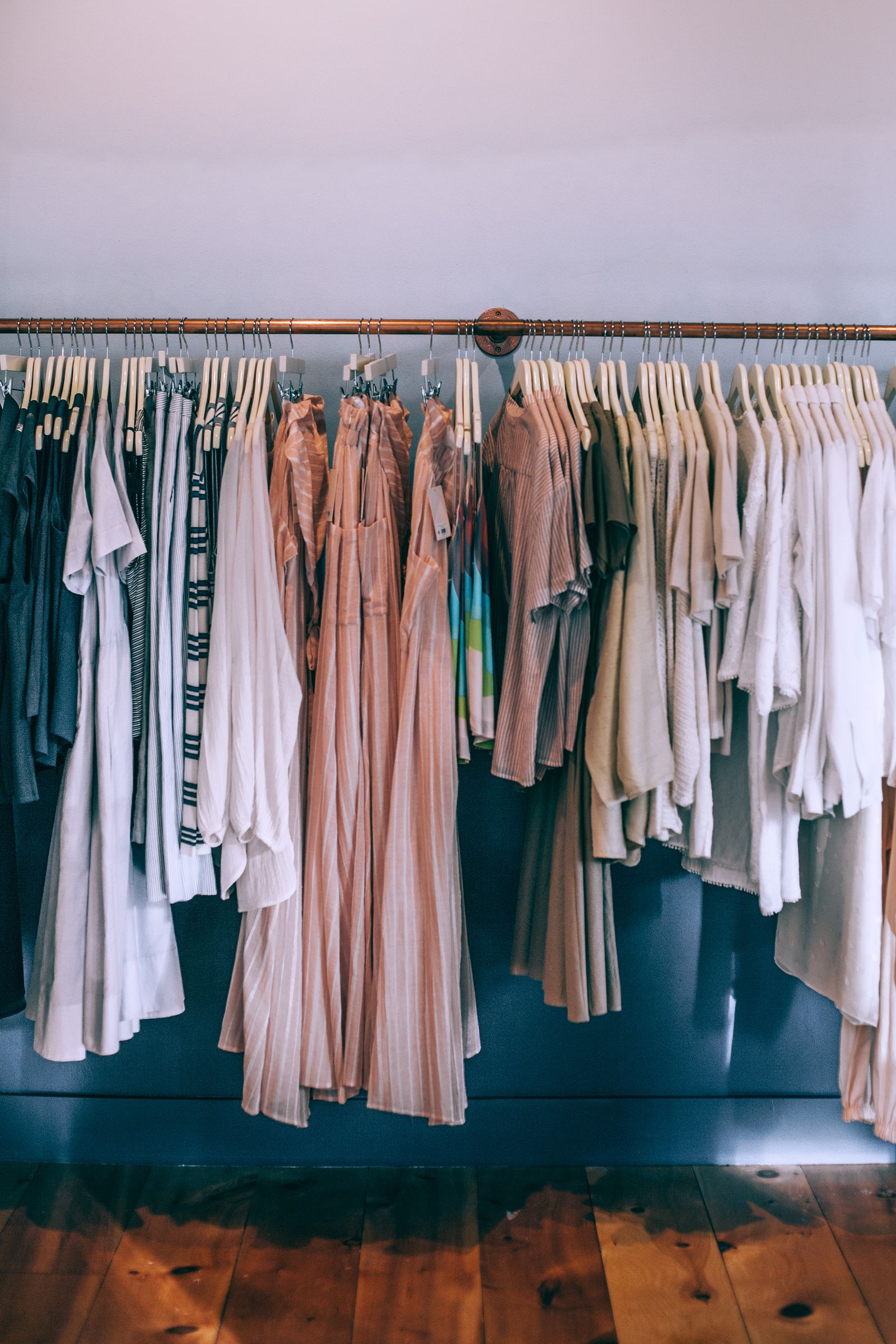
Texture, structure, and fabric weight can change the character of an otherwise simple outfit.
Color Strategy for a Versatile Tops Collection
Color selection should be approached as a system rather than a series of isolated preferences. The most efficient wardrobe usually contains a foundation of neutrals supported by a smaller selection of accent colors.
White and cream tops are highly adaptable and can brighten dark bottoms. Black provides contrast and works naturally with monochrome outfits. Navy can function as a softer alternative to black. Beige, taupe, gray, and muted brown can bridge different color families.
Once the foundation is established, accent shades can introduce personality. Depending on the wardrobe, these might include dusty rose, sage, burgundy, sky blue, chocolate brown, muted orange, or deep green.
The objective is not to avoid color. Instead, it is to make sure that color creates combinations rather than wardrobe isolation.
| Color Family |
Wardrobe Role |
Easy Pairings |
| White / Cream |
Foundation |
Denim, black, beige, navy, brown |
| Black |
Contrast |
White, gray, denim, jewel tones |
| Beige / Taupe |
Soft neutral |
White, brown, black, blue |
| Navy |
Professional neutral |
White, cream, gray, denim |
| Muted Colors |
Personality |
Neutral bottoms and understated accessories |
Necklines and Their Styling Potential
Neckline design changes the visual character of a top even when the fabric and color remain identical. Crew necks tend to create a clean, classic appearance. V-necks can introduce a more open vertical line. Boat necks can create a wider horizontal effect, while collars bring structure and a more tailored feel.
When selecting several tops, variety in neckline can make the wardrobe feel more diverse without requiring dramatically different garments. A collection of crew-neck T-shirts can be complemented by a V-neck blouse and a collared button-up shirt.
The goal is to create options that work with necklaces, scarves, jackets, cardigans, and different hairstyles without constantly repeating the same visual structure.
Building an Everyday Capsule of Women’s Tops
A practical capsule does not have to follow a rigid number of garments. Instead, it should contain enough variety to cover the wearer’s real activities. Someone working in a formal environment will require different tops from someone whose lifestyle is primarily casual.
A useful starting point may include several neutral everyday tops, at least one long-sleeve layer, one textured piece, one polished blouse, and one elevated option for dinners or events. The exact number depends on laundry frequency, climate, professional requirements, and personal style.
A balanced tops capsule can include:
- Classic neutral T-shirts
- A relaxed or oversized crew-neck option
- A textured ribbed top
- A long-sleeve basic layer
- A polished V-neck blouse
- A button-up blouse for elevated outfits
- One or two accent-color pieces
- At least one top suitable for transitional weather
How to Style Tops With Jeans
Jeans are one of the easiest partners for women’s tops because denim naturally adapts to different levels of formality. A classic T-shirt with straight-leg jeans produces an uncomplicated everyday outfit. Add a blazer and structured accessories, and the same foundation becomes considerably more polished.
Oversized tops can work especially well with straight or slim denim because the contrast keeps the outfit visually balanced. With wide-leg jeans, a tucked or cropped silhouette may help preserve definition around the waist.
For a more refined approach, consider combining dark denim with a fluid blouse. A satin button-up can create a particularly effective contrast between the casual texture of denim and the polished surface of the blouse.
How to Style Tops With Tailored Trousers
Tailored trousers immediately raise the formality of an outfit. A simple T-shirt can therefore become a sophisticated smart-casual combination when paired with well-cut trousers, clean shoes, and a structured outer layer.
For professional settings, consider a blouse with a clean neckline and controlled volume. If the trousers are wide, a more streamlined top can create balance. If the trousers are narrow, a relaxed blouse can introduce softness and movement.
Soft colors can add personality while preserving a clean, minimalist wardrobe aesthetic.
Layering: The Skill That Multiplies Outfit Possibilities
Layering is one of the most powerful ways to increase wardrobe versatility. A single top can look completely different beneath a blazer, cardigan, denim jacket, vest, overshirt, or lightweight coat.
Good layering depends on fabric weight. A thin ribbed or long-sleeve top can usually sit comfortably beneath a heavier layer. A thick oversized T-shirt may require more room in the outer garment.
Neckline compatibility also matters. A high crew neck beneath a high-collar jacket may create excessive visual density around the face. A V-neck blouse can open the neckline and provide space for a necklace or scarf.
Layering should also consider sleeve construction. Sleeves that are too wide may bunch underneath fitted jackets, while very long sleeves can create unnecessary bulk around the wrist.
Creating a Professional Workwear Tops Collection
A professional wardrobe benefits from tops that remain polished throughout a working day. This means evaluating not only appearance but also comfort, wrinkle resistance, movement, and compatibility with existing trousers and jackets.
Button-up blouses, clean V-neck styles, fine-knit long-sleeve tops, and refined neutral T-shirts can all have a place in modern workwear depending on the workplace dress code.
Rather than buying multiple highly formal pieces, create a small rotation that allows combinations. For example, three neutral tops and two accent pieces can produce numerous combinations when paired with several trousers and jackets.
For shoppers exploring broader categories and coordinating pieces, Women Clothing Brands can be considered as part of a wider wardrobe research process.
Casual Dressing Without Looking Unfinished
Casual does not have to mean careless. The difference often comes down to fit, fabric condition, proportions, and styling details. A clean T-shirt with structured jeans, simple jewelry, and polished footwear can look intentional without being formal.
One of the easiest ways to elevate a casual top is to introduce one structured element. This might be a tailored jacket, leather-look belt, structured handbag, polished shoes, or a neat tucked hem.
Another useful technique is tonal dressing. Combining different shades from the same color family creates a cohesive appearance even when the garments themselves are simple.
Using Oversized Tops Correctly
Oversized tops can create a modern silhouette, but their styling requires attention to proportion. If both the top and bottom are extremely voluminous, the overall shape can become visually heavy.
One approach is to combine an oversized top with straight-leg or narrower bottoms. Another is to partially tuck the front of the top to introduce structure. Rolling sleeves can also create a more deliberate silhouette.
The key is not to eliminate volume but to control it. Oversized dressing works best when the proportions look intentional rather than accidental.
The Role of Texture in Everyday Outfits
Texture can make a neutral wardrobe feel considerably more interesting. Ribbing, satin, woven cotton, subtle embroidery, fine knits, pleats, and textured fabrics can all introduce depth without requiring loud prints.
This is especially useful for capsule wardrobes. Instead of relying on many colors, a capsule can use texture to create differentiation between garments that share a similar palette.
For example, a smooth cotton T-shirt, a ribbed short-sleeve top, and a satin blouse can all exist in neutral colors while still producing noticeably different visual results.
Prints and Patterns: How Much Is Enough?
Prints can add personality, but they are generally less versatile than solids. This does not mean patterned tops should be avoided. It simply means they should be integrated thoughtfully.
A practical wardrobe may use mostly solids with a few patterns that coordinate with the established color palette. Stripes are often especially versatile because they can function as a pattern while remaining relatively easy to combine.
When choosing a patterned blouse, identify at least three existing wardrobe pieces that can work with it. If no combinations come to mind, the garment may become an underused purchase.
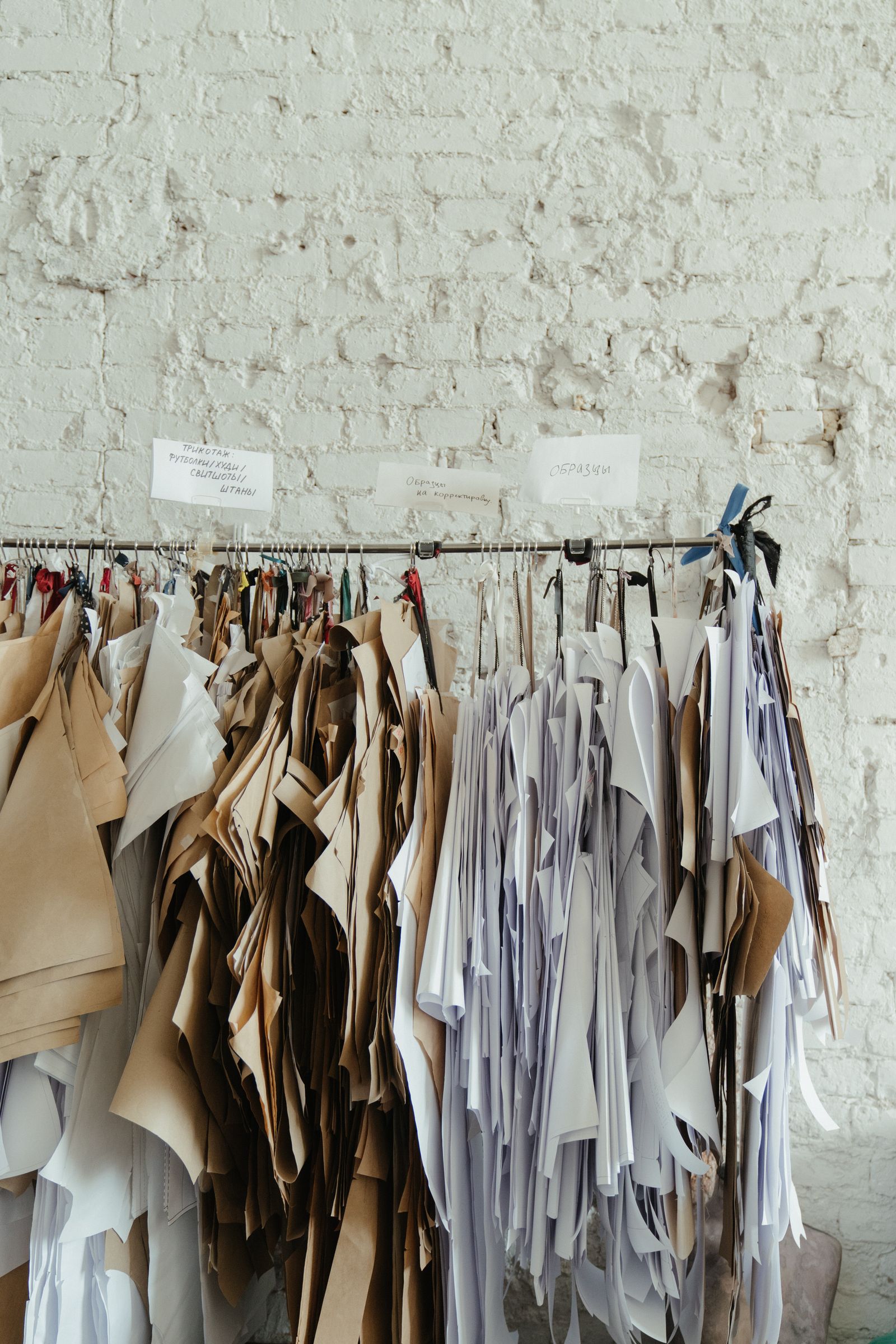
A mix of patterns and neutral garments can add visual depth to an organized wardrobe.
Seasonal Dressing With the Same Core Tops
A strong wardrobe does not need to be completely replaced every season. Instead, seasonal styling can transform core tops through layering and accessories.
In warm weather, a short-sleeve cotton or ribbed top may be worn alone with lightweight trousers or skirts. During transitional weather, the same piece can sit beneath a cardigan or jacket. In colder conditions, a long-sleeve basic can become the first layer beneath knitwear and outerwear.
This approach reduces wardrobe duplication and increases the practical value of every garment.
Hot-Climate Wardrobe Considerations
In warm climates, fabric weight and breathability become especially important. Lightweight materials, relaxed silhouettes, and short sleeves can make everyday dressing more comfortable.
Color can also influence the visual impression of heat. Lighter shades often create a fresh summer aesthetic, while breathable natural-fiber fabrics may be particularly appealing for warm-weather wardrobes.
However, fabric performance should always be evaluated according to the garment’s actual construction rather than relying solely on the fiber name. Weave, weight, finishing, and fit all affect how a garment feels in real conditions.
How to Build a Smart Color Rotation
Instead of buying five tops in unrelated colors, consider creating a rotation. For example, a wardrobe might use white and cream as the primary light neutrals, navy and black as darker foundations, and two or three accent colors.
This creates a visual system that makes morning dressing easier. A new top should ideally connect with existing trousers, skirts, jackets, and accessories.
For a wardrobe that favors understated elegance, muted colors can provide variation without becoming difficult to coordinate. For a more expressive style, stronger accent colors can be used while keeping the supporting pieces neutral.
How to Evaluate a Top Before Buying It
Before purchasing, inspect the garment from several perspectives. Look at the front, side, and back. Check seams, buttons, cuffs, hems, and fabric recovery. If the garment is a knit, gently consider whether it returns to its original shape after movement.
Then consider the practical questions: Can it be worn with at least three bottoms? Does it work under a jacket? Is the neckline compatible with the jewelry you typically wear? Does the fabric fit the climate? Is the care routine realistic?
The three-outfit test: Before adding a new top to your wardrobe, imagine at least three complete outfits using garments you already own. This simple habit helps reduce isolated purchases and encourages a more connected wardrobe.
Wardrobe Shopping: Quality, Cost, and Practical Value
Price alone is not a reliable indicator of wardrobe value. A more useful measure is cost per wear combined with versatility, comfort, durability, and styling potential.
A frequently worn basic top can justify a higher investment than a highly specific statement garment that is worn only occasionally. Conversely, there is little value in paying a premium for a garment whose fit or fabric does not suit the wearer.
When comparing women’s clothing collections, examine construction and usefulness rather than relying exclusively on marketing language. The best purchase is the one that performs a clear role in the wardrobe.
Caring for Women’s Tops Properly
Wardrobe longevity depends heavily on care. Washing every garment using the same cycle can shorten the useful life of delicate fabrics.
Always follow the garment’s care label. Delicate blouses may require gentler washing or special handling. Dark colors may benefit from appropriate washing practices, while structured pieces may need careful drying to maintain their shape.
Storage matters too. Lightweight blouses can often be hung if the hanger supports the garment appropriately. Knits may be better folded to reduce shoulder distortion. Satin and delicate fabrics should be protected from rough surfaces that can snag or damage the material.
How to Prevent a Tops Wardrobe From Becoming Cluttered
Wardrobe clutter often occurs because individual purchases are evaluated independently. Over time, this can create multiple garments that perform exactly the same function.
A useful solution is to categorize tops by role rather than simply by color. Create groups such as everyday basics, workwear, layering, occasion, statement, and seasonal pieces. If one category becomes excessively large while another remains underdeveloped, future purchases can become more intentional.
Another effective method is the replacement rule. When a basic garment becomes worn out, replace it with a similar piece rather than automatically adding another item to the wardrobe.
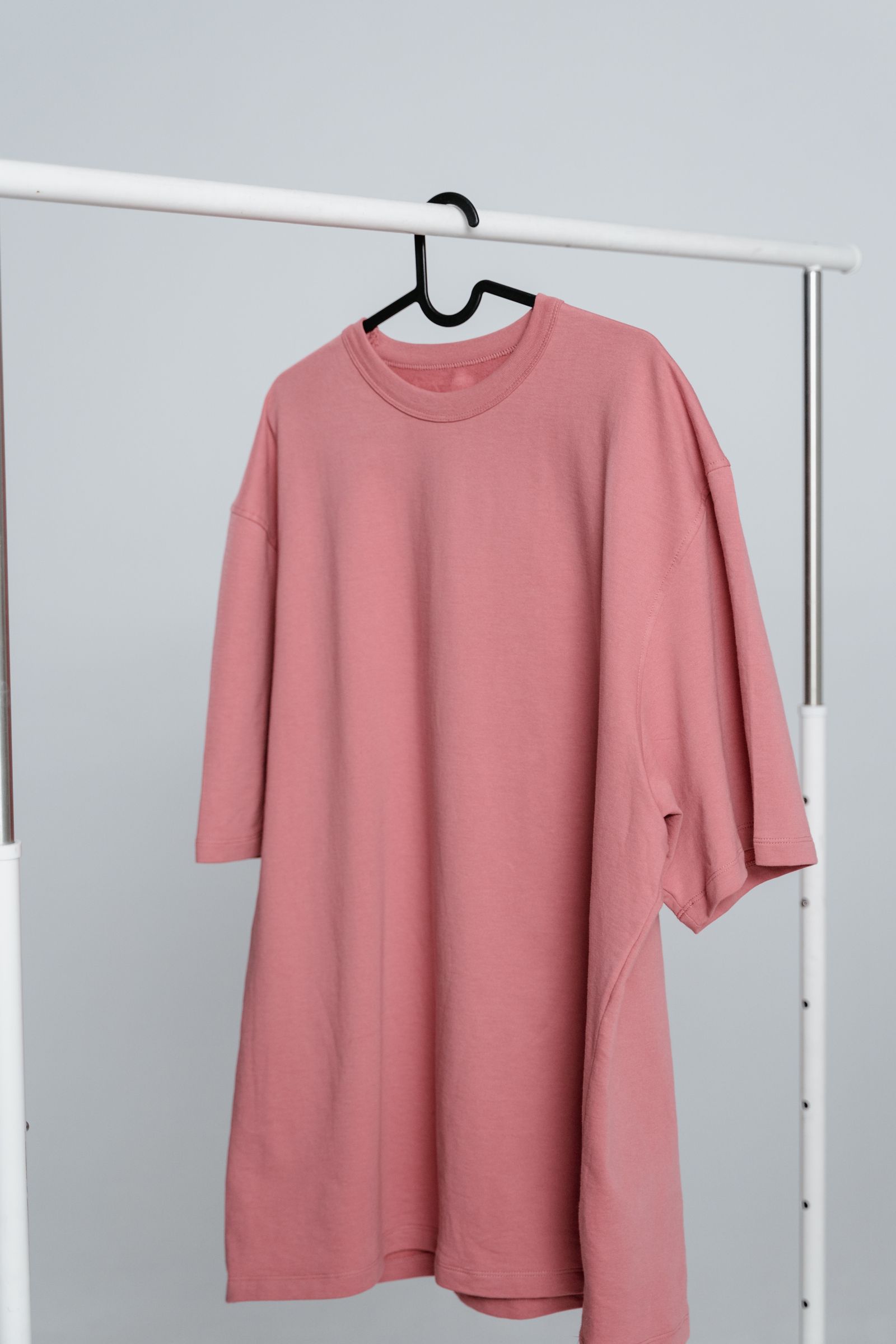
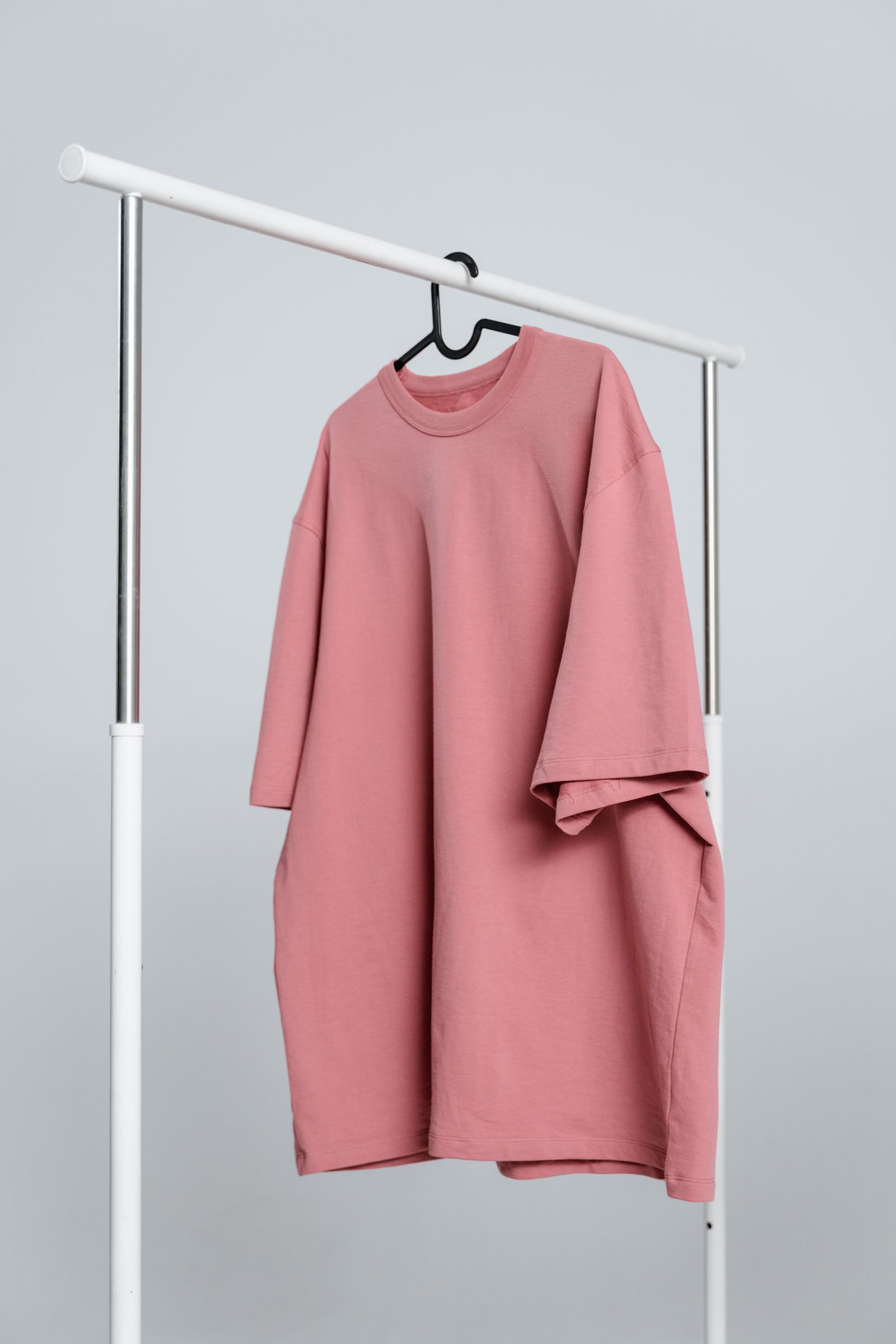
Simple silhouettes can become powerful wardrobe foundations when their fit and color work with multiple outfits.
From Daytime to Evening: Making One Top Work Harder
One of the most valuable wardrobe skills is transforming an outfit without changing every garment. A simple daytime combination can often become evening-appropriate through accessories, footwear, outerwear, and a change in styling.
A satin blouse is naturally suited to this strategy. During the day, it can be worn with tailored trousers and understated accessories. In the evening, the same blouse can be paired with a darker skirt, refined jewelry, and dressier footwear.
Even a basic T-shirt can participate in a similar transformation. A clean white or black tee beneath a tailored blazer can create a polished evening-casual look when paired with appropriate trousers and accessories.
Using Accessories to Change the Character of a Top
Accessories can dramatically influence how a top is perceived. A delicate necklace can complement an open neckline, while a scarf can introduce color and texture. Belts can define proportions, and structured handbags can make a casual outfit appear more deliberate.
The important principle is balance. A statement blouse may need minimal accessories, while a very simple top can provide a strong background for more expressive jewelry or accessories.
Choosing Tops for Travel
Travel wardrobes benefit from lightweight, versatile garments that can be combined repeatedly without looking identical. Neutral tops, wrinkle-resistant materials, and layering pieces are particularly useful.
A traveler can often reduce luggage by choosing a limited palette. For example, white, cream, navy, black, and one accent color can produce a surprisingly large number of combinations.
Travel tops should also be considered according to destination climate. A long-sleeve basic can provide sun coverage and layering flexibility, while lightweight short-sleeve pieces can handle warmer conditions.
The Relationship Between Tops and Bottoms
Successful outfits are created through relationships between garments. A top should not be judged only by itself. Its hem length, volume, color, and texture should complement the bottom piece.
High-waisted trousers often work well with tucked or shorter tops because the waistline remains visible. Low-rise or mid-rise bottoms may work with longer relaxed tops. Wide-leg trousers can benefit from a more controlled upper silhouette, while slim trousers can accommodate additional volume above.
These are styling guidelines rather than strict rules. Personal preference, body proportions, and the intended aesthetic should always guide the final combination.
Modern Minimalism and Women’s Tops
Minimalist fashion does not mean wearing only white, black, and beige. It is more accurately understood as reducing unnecessary visual complexity while emphasizing quality, proportion, and coordination.
A minimalist tops collection might include a classic cotton tee, a relaxed crew-neck style, a ribbed top, a long-sleeve basic, a V-neck blouse, and a satin button-up. Each garment performs a distinct role while maintaining a coherent overall aesthetic.
The result is a wardrobe that feels calm and organized while still offering enough variation for everyday life.
Creating a Premium Appearance Without Overcomplicating the Outfit
A polished appearance often comes from small details rather than elaborate styling. Clean fabric, appropriate fit, coordinated colors, well-maintained footwear, and restrained accessories can create a sophisticated impression.
This is why foundational tops matter so much. A perfectly maintained neutral top can support a refined outfit even when the rest of the styling is deliberately simple.
For those exploring broader women’s fashion categories, Women Clothing Brands can provide a starting point for comparing different wardrobe directions, silhouettes, and product categories.
Common Mistakes When Buying Women’s Tops
Buying Only for the Trend
Trends can be inspiring, but a top should still make sense within the existing wardrobe. A trend-driven piece with no practical styling partners may receive little wear.
Ignoring Fabric Care
A garment that requires maintenance you are unlikely to perform consistently may become impractical, even if it looks excellent when new.
Choosing the Wrong Size for the Intended Silhouette
An intentionally oversized design and an accidentally oversized garment are not the same thing. The former has planned proportions, while the latter may simply lack structure.
Buying Too Many Similar Basics
Five tops that all have the same neckline, sleeve length, color, and fit may provide less versatility than three carefully differentiated pieces.
Ignoring the Bottoms Already Owned
A top should work with the wardrobe you actually wear, not an imaginary wardrobe that may never be purchased.
A Professional Weekly Outfit Rotation
Creating a weekly rotation can demonstrate how much versatility a relatively small tops collection can provide. A classic tee can begin the week with tailored trousers and a blazer. A ribbed top can follow with denim and a cardigan. A V-neck blouse can create a more polished midweek look. A long-sleeve basic can work beneath a jacket. A satin blouse can transition into an evening plan.
The point is not to create a rigid schedule. Rather, the exercise reveals which garments are doing the most work and which pieces remain unused.
| Day |
Top Direction |
Suggested Styling |
| Monday |
Classic neutral tee |
Tailored trousers + blazer |
| Tuesday |
Ribbed short sleeve |
Jeans + cardigan |
| Wednesday |
V-neck blouse |
Wide-leg trousers + simple jewelry |
| Thursday |
Long-sleeve basic |
Midi skirt + structured jacket |
| Friday |
Satin button-up |
Dark denim + refined accessories |
How to Make a Small Wardrobe Feel Larger
The secret is combination rather than quantity. If six tops can each work with four bottoms, the theoretical combination potential is already substantial. Add jackets, shoes, bags, and accessories, and the number of visual variations increases further.
Color coordination is especially important here. Tops that share a coherent palette will naturally produce more combinations. Different textures and silhouettes then create enough variety to keep those combinations from appearing repetitive.
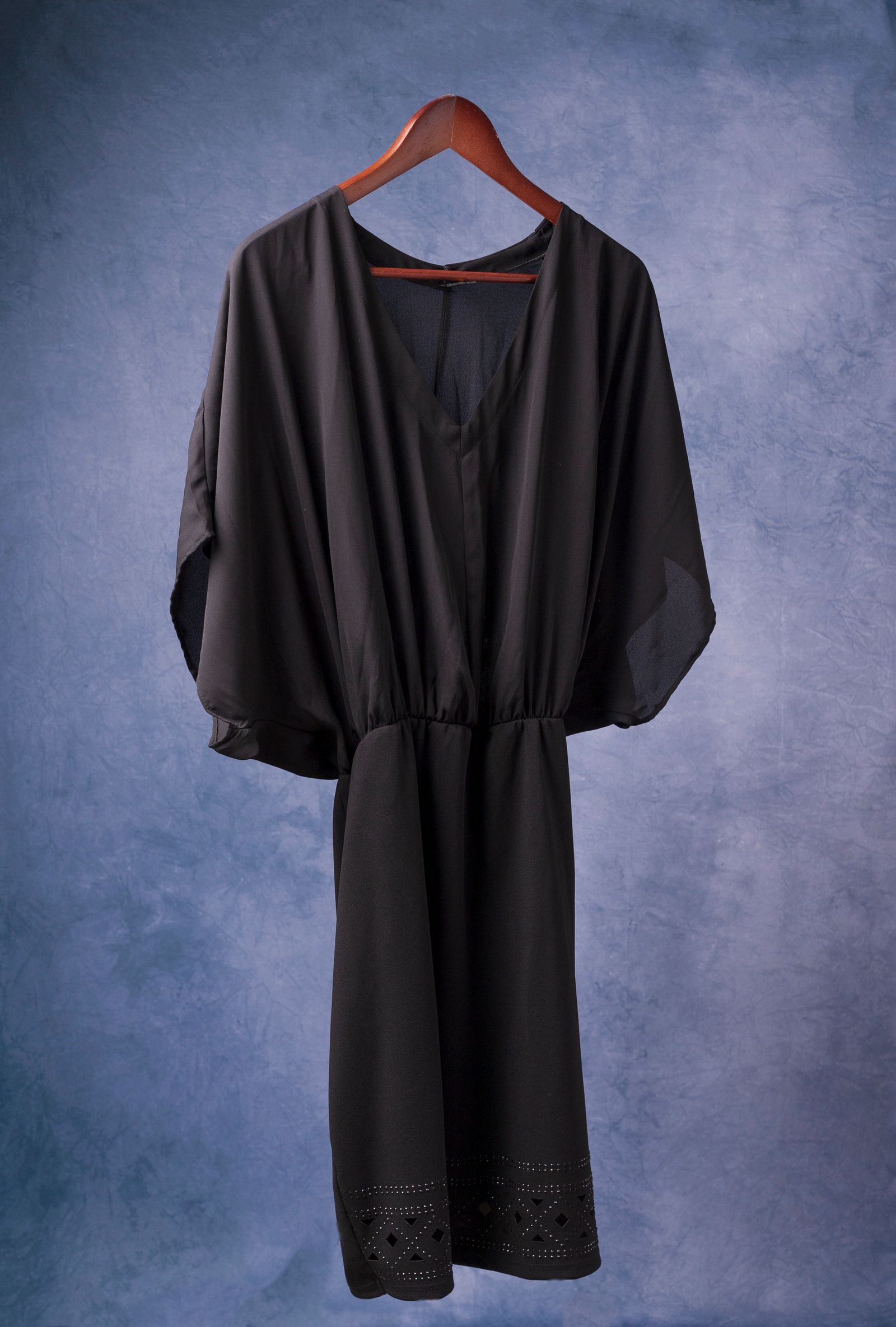
Dark, refined pieces can provide a sophisticated foundation for evening and polished styling.
Why Wardrobe Versatility Is a Better Goal Than Wardrobe Size
A large wardrobe can still feel difficult to use when the garments do not coordinate. Conversely, a smaller collection can provide excellent daily variety when every item has a purpose.
Versatility means that a top can move between situations. A classic T-shirt can be casual on its own, smart-casual under a blazer, and modern when combined with tailored trousers. A blouse can move from work to dinner. A long-sleeve basic can function independently or as a foundational layer.
This approach reduces decision fatigue and makes shopping more deliberate.
Five Questions to Ask Before Adding a New Top
1. Does the fit serve the intended purpose?
Determine whether the silhouette is meant to be fitted, relaxed, or oversized. Make sure the proportions are intentional and comfortable.
2. Can it create at least three outfits?
Use existing trousers, jeans, skirts, jackets, and accessories as the test. If combinations are difficult to imagine, reconsider the purchase.
3. Does the fabric suit the climate and lifestyle?
Consider warmth, breathability, movement, care requirements, and how often the garment is likely to be worn.
4. Does the color connect with the wardrobe?
A beautiful color becomes more valuable when it works naturally with several existing garments.
5. Does it add something genuinely different?
If you already own several nearly identical tops, a new purchase should ideally provide a meaningful difference in silhouette, texture, color, or function.
Frequently Asked Questions About Women’s Tops
What are the most useful tops for a versatile wardrobe?
A balanced collection usually includes a combination of classic T-shirts, textured tops, long-sleeve basics, polished blouses, and at least one elevated button-up style. The ideal mix depends on lifestyle, climate, workplace, and personal aesthetic.
How many women’s tops should a capsule wardrobe contain?
There is no universal number. A useful capsule contains enough pieces to cover real activities without creating unnecessary duplication. Someone who works remotely may need fewer formal blouses than someone working in a corporate office.
Are neutral tops better than colorful tops?
Neutral and colorful tops serve different purposes. Neutrals generally offer greater combination potential, while accent colors can introduce personality and visual variety. A balanced wardrobe can use both.
Is an oversized top suitable for professional styling?
It can be, provided the overall silhouette is intentional and compatible with the workplace. Pairing an oversized top with structured trousers or a tailored jacket can help create balance.
What is the best way to style a basic T-shirt?
For casual wear, pair it with denim and simple footwear. For smart-casual dressing, add tailored trousers or a blazer. For a more sophisticated look, use high-quality accessories and controlled proportions.
How can a blouse become more casual?
Pair it with denim, relaxed trousers, casual footwear, or a lightweight outer layer. Rolling the sleeves and using understated accessories can also reduce formality.
How can a T-shirt look more polished?
Focus on fabric condition, fit, clean styling, and structured companions. Tailored trousers, a blazer, a quality belt, and refined footwear can significantly change the overall appearance.
What should be considered when choosing a long-sleeve top?
Consider sleeve length, fabric weight, neckline, layering compatibility, and whether the garment can be worn independently. A versatile long-sleeve top should ideally perform both as a base layer and as a standalone piece.
A Practical Wardrobe Blueprint
For someone beginning a women’s tops wardrobe from the ground up, a practical sequence is more useful than attempting to purchase everything simultaneously. Start with the foundation: one or more neutral everyday tops that can be worn repeatedly. Then add a different silhouette, such as an oversized crew-neck style. Introduce texture through ribbing, followed by a long-sleeve layer.
Once the foundation is established, add a polished blouse and an elevated button-up option. Finally, add accent colors or patterns based on the wardrobe’s existing palette.
This sequence creates a collection in which every new garment contributes a new function rather than simply increasing the number of pieces.
Styling Principles Worth Remembering
Successful wardrobe styling does not require complicated rules. A few principles can provide a reliable foundation.
- Balance volume: pair oversized tops with more controlled bottoms when appropriate.
- Repeat colors: allow a color from the top to appear subtly elsewhere in the outfit.
- Mix textures: combine smooth, ribbed, woven, or structured surfaces for depth.
- Use layers: turn one top into several seasonal combinations.
- Protect proportions: consider where the hem ends and how it interacts with the bottom garment.
- Prioritize comfort: clothing that feels good is more likely to be worn consistently.
- Maintain condition: clean, well-cared-for garments always contribute to a more polished wardrobe.
The Long-Term Value of a Thoughtful Tops Collection
A well-designed collection of women’s tops can become the operational center of a wardrobe. It connects jeans to jackets, skirts to accessories, casual outfits to professional combinations, and warm-weather pieces to transitional layers.
The most successful collection is not necessarily the largest. It is the one in which the garments communicate with one another. Colors coordinate, silhouettes contrast intelligently, fabrics suit the climate, and each piece has a recognizable purpose.
That is why shopping for tops should be treated as wardrobe planning rather than simple product accumulation. The objective is to create more complete outfits with fewer unnecessary decisions.
For shoppers exploring additional categories, a broader Women’s Classic Cotton T-Shirt can reinforce the everyday foundation, while a Women’s Oversized Crew Neck T-Shirt can introduce a more relaxed proportion.
Final Wardrobe Checklist
Before considering your tops collection complete, review these points:
- Do you have dependable neutral foundations?
- Do you have at least one different silhouette for visual variety?
- Do you have a textured option such as ribbed fabric?
- Do you have a long-sleeve layer for changing temperatures?
- Do you have at least one polished blouse?
- Do you have an elevated option suitable for dinners or events?
- Can most tops work with multiple bottoms?
- Are the colors coordinated across the wardrobe?
- Do the fabrics match your climate and lifestyle?
- Are the garments maintained and stored correctly?
- Are you buying replacements and additions intentionally rather than impulsively?
Frequently Used Wardrobe Categories
A complete wardrobe strategy can combine several complementary top categories rather than depending on a single style. The Women’s Ribbed Short Sleeve Top can add texture, while a Women’s Long Sleeve Basic Top can support layering and transitional outfits.
For more polished combinations, a Women’s V-Neck Blouse can introduce a refined neckline, while a Women’s Satin Button-Up Blouse can provide a more elevated texture for occasions that call for additional sophistication.
Finally, browsing Women Clothing Brands can help shoppers compare broader wardrobe directions while keeping the central goal in mind: choosing pieces that contribute to a cohesive, practical, and highly usable collection.
Thoughtful garment care and seasonal styling can extend the usefulness of a wardrobe.
Build a Wardrobe That Works, Not Just a Wardrobe That Looks Full
The most effective women’s tops collection is built around real life. It considers the wearer’s schedule, climate, comfort preferences, workplace, social activities, and existing wardrobe. Instead of chasing every new trend, it focuses on garments that can repeatedly create complete outfits.
Start with versatile foundations. Add different silhouettes gradually. Use texture to create variety. Introduce polished blouses for professional and social settings. Choose colors that communicate with one another. Pay attention to fabric and care requirements. Most importantly, evaluate every garment by how well it performs within the larger wardrobe.
When these principles are applied consistently, even a relatively compact collection of women’s tops can support an impressive range of outfits. The result is a wardrobe that feels organized, flexible, polished, and genuinely useful throughout everyday life.

Comments
Post a Comment