The Modern Importance of Women’s Tops
Women's tops occupy a unique position in the modern wardrobe because they combine visibility, versatility, and practicality. While shoes and accessories can change the character of an outfit, the top is often the first garment that establishes the visual direction. It determines whether an outfit feels relaxed, professional, refined, sporty, minimal, romantic, or contemporary.
That makes choosing tops a more strategic process than simply selecting garments that look attractive in isolation. A successful wardrobe requires pieces that cooperate with one another. The best collection includes garments that can be worn repeatedly, styled in different ways, layered across seasons, and combined with multiple bottoms.
A practical wardrobe may include simple cotton T-shirts for everyday use, oversized crew necks for relaxed dressing, ribbed tops for definition, long-sleeve basics for layering, V-neck blouses for polished outfits, and satin button-ups for occasions that require additional refinement.
The strength of this approach is flexibility. Instead of relying on one style for every situation, the wardrobe becomes a coordinated system in which each category has a specific purpose.
For a dependable everyday foundation, the Women’s Classic Cotton T-Shirt can represent the essential category: simple enough for daily wear and adaptable enough for numerous combinations.
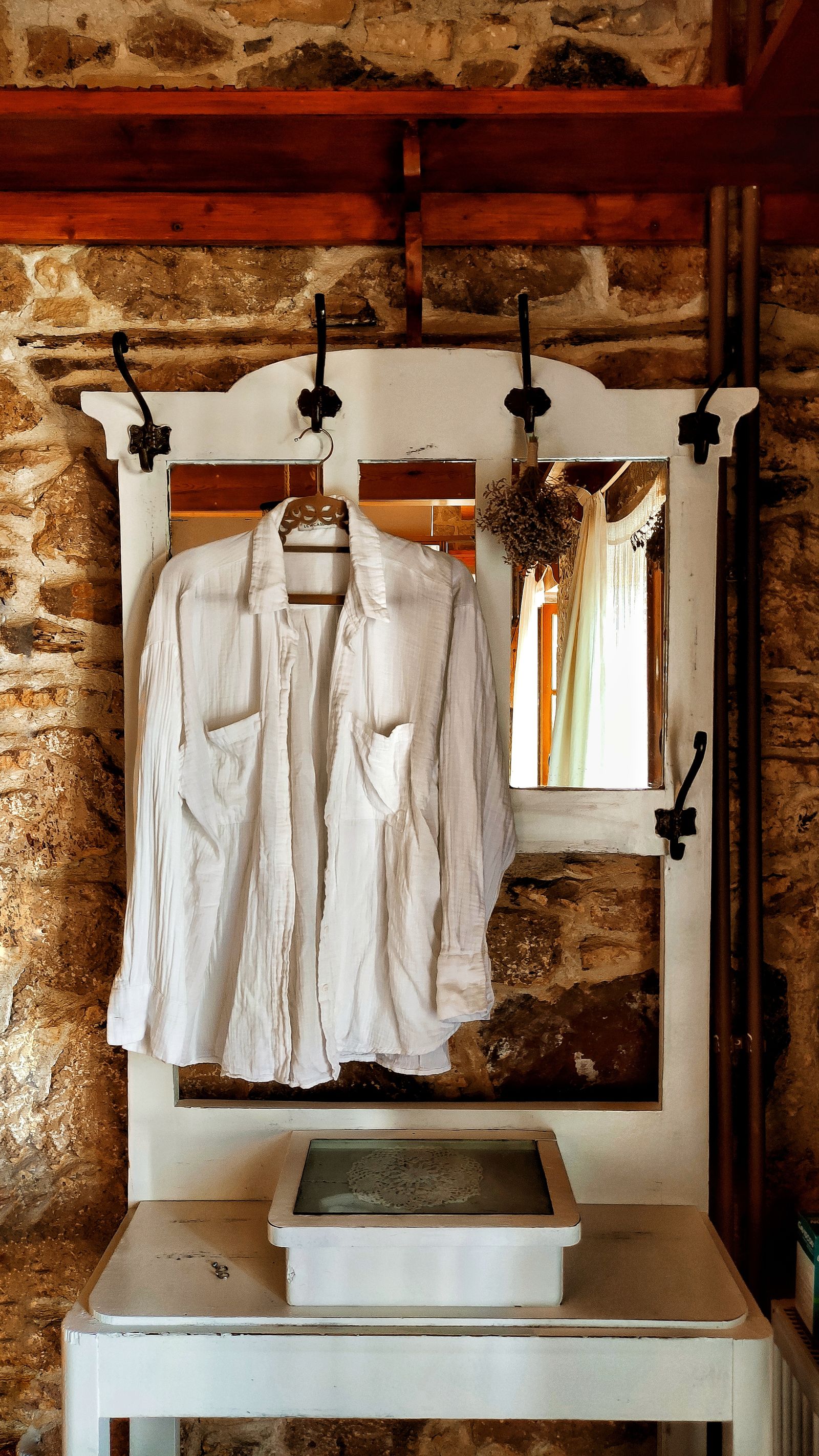
A simple white garment can become a versatile foundation when its color, fit, and fabric work with the rest of the wardrobe.
Professional wardrobe principle: The purpose of a strong top collection is not to maximize quantity. It is to maximize useful combinations, comfort, adaptability, and repeat wear.
How to Think About a Top Collection as a System
A wardrobe becomes easier to manage when clothing is viewed as a system rather than a collection of individual purchases. Every top should connect to something else. A cotton T-shirt needs compatible bottoms. A blouse needs appropriate workwear or evening pieces. An oversized top needs proportions that balance its volume.
This systems-based approach makes shopping more deliberate. Before buying another top, consider what role it will play. Does it add a missing silhouette? Does it introduce a useful color? Does it solve a layering problem? Does it offer a different level of formality?
These questions can prevent a wardrobe from becoming crowded with garments that perform the same function.
| Category |
Main Function |
Best Environment |
Styling Potential |
| Cotton T-Shirt |
Everyday foundation |
Casual and relaxed |
Very high |
| Oversized Crew Neck |
Comfort and volume |
Casual and weekend |
High |
| Ribbed Short Sleeve |
Definition and texture |
Smart casual |
High |
| Long Sleeve Basic |
Layering |
Transitional and cool weather |
Very high |
| V-Neck Blouse |
Polished dressing |
Office and smart casual |
High |
| Satin Button-Up |
Elevated styling |
Evening and occasions |
Very high |
The ideal balance depends on lifestyle. Someone who spends most of the week in casual settings may need more T-shirts and relaxed pieces. Someone with a formal work environment may need more blouses and polished layers. Someone who travels frequently may prioritize lightweight fabrics and coordinated colors.
Fabric Selection and Why It Changes the Entire Outfit
Fabric influences the way a top moves, feels, photographs, layers, and ages. Two garments can share the same silhouette but create completely different impressions because of their materials.
Cotton is widely appreciated for everyday clothing because it can be soft, breathable, structured, lightweight, or substantial depending on its construction. It can also work across a broad range of casual outfits.
Ribbed fabric adds texture and often includes enough stretch to create a closer silhouette. This makes ribbed tops useful when the wearer wants definition without introducing elaborate decoration.
Satin produces a smoother and more reflective appearance. Its surface catches light, which can make a simple shirt feel more elevated. This makes satin particularly useful when building outfits for dinners, celebrations, professional events, or evening occasions.
Fabric should also be evaluated according to maintenance. A beautiful top that requires more care than the owner can realistically provide may not become a practical favorite. Everyday clothing should be compatible with everyday routines.
Fabric strategy: Use matte and textured materials for dependable foundations, while smooth or reflective fabrics can provide visual elevation when the occasion calls for it.
Understanding Fit Beyond Small, Medium, and Large
Size tells only part of the story. The actual fit of a top depends on shoulder placement, torso length, sleeve volume, neckline, hem position, and intended silhouette.
A deliberately oversized garment may be larger through the shoulders and body while still appearing balanced. A fitted garment should follow the body's intended lines without restricting movement.
Length is especially important because it changes the relationship between the top and bottom. A shorter top can emphasize high-rise trousers or skirts. A longer top can create a more relaxed vertical line.
The shoulder area deserves special attention. A structured blouse may look best when the shoulder seam sits in a defined position, while an oversized crew neck may intentionally use a dropped shoulder.
Fit should therefore be assessed according to design intent rather than a universal preference for tight or loose clothing.
Oversized Crew Necks and Relaxed Proportions
The oversized top has become a significant part of contemporary casual wardrobes because it offers comfort while creating a clear silhouette. The relaxed volume can make an outfit feel effortless, but it works best when the proportions are intentional.
One of the easiest approaches is to combine an oversized top with streamlined bottoms. Straight-leg trousers, narrow denim, leggings, or other cleaner lower silhouettes can create a visual counterbalance.
Another option is to keep the lower half relaxed as well, but then introduce structure through accessories, footwear, or outerwear.
A partially tucked oversized top can create additional definition around the waist while preserving volume through the shoulders and upper body.
The Women’s Oversized Crew Neck T-Shirt category is especially useful for creating these relaxed proportions.
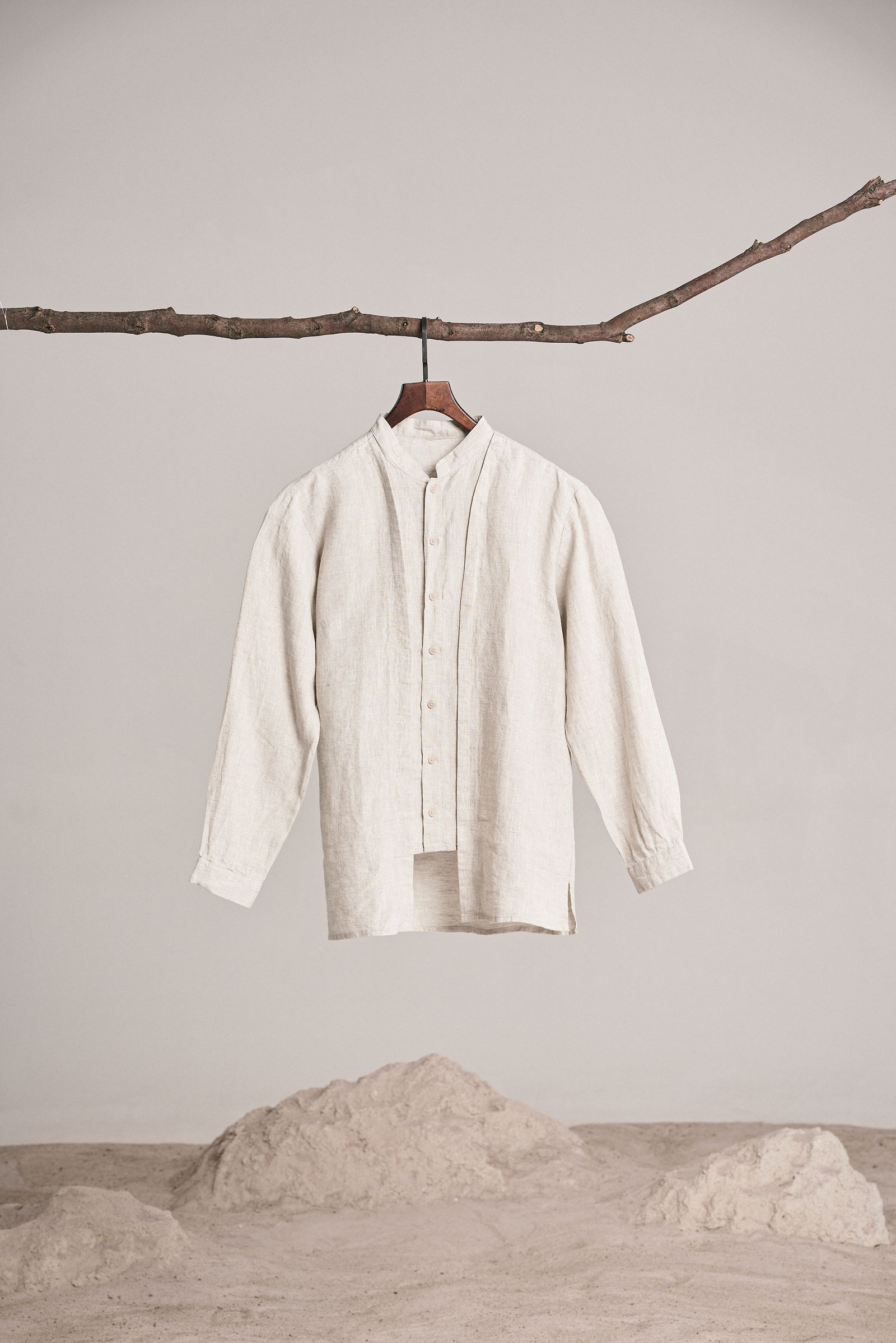
Natural materials and relaxed garments can create an understated visual language for contemporary casual dressing.
Ribbed Tops and the Power of Subtle Texture
Texture is one of the simplest ways to make a basic outfit look more considered. A ribbed top does not need bold prints, decorative details, or unusual colors to create interest. Its surface structure already provides visual dimension.
Ribbed short-sleeve tops can be particularly effective with high-rise bottoms because the combination creates a defined relationship between the upper and lower parts of the outfit.
They can also be used beneath jackets because their closer silhouette usually creates less bulk. A neutral ribbed top beneath a structured blazer can form a polished foundation for professional or smart-casual dressing.
With denim, the same top can become more relaxed. With a skirt, it can move toward a more refined direction.
The Women’s Ribbed Short Sleeve Top is therefore a useful category when a wardrobe needs both simplicity and texture.
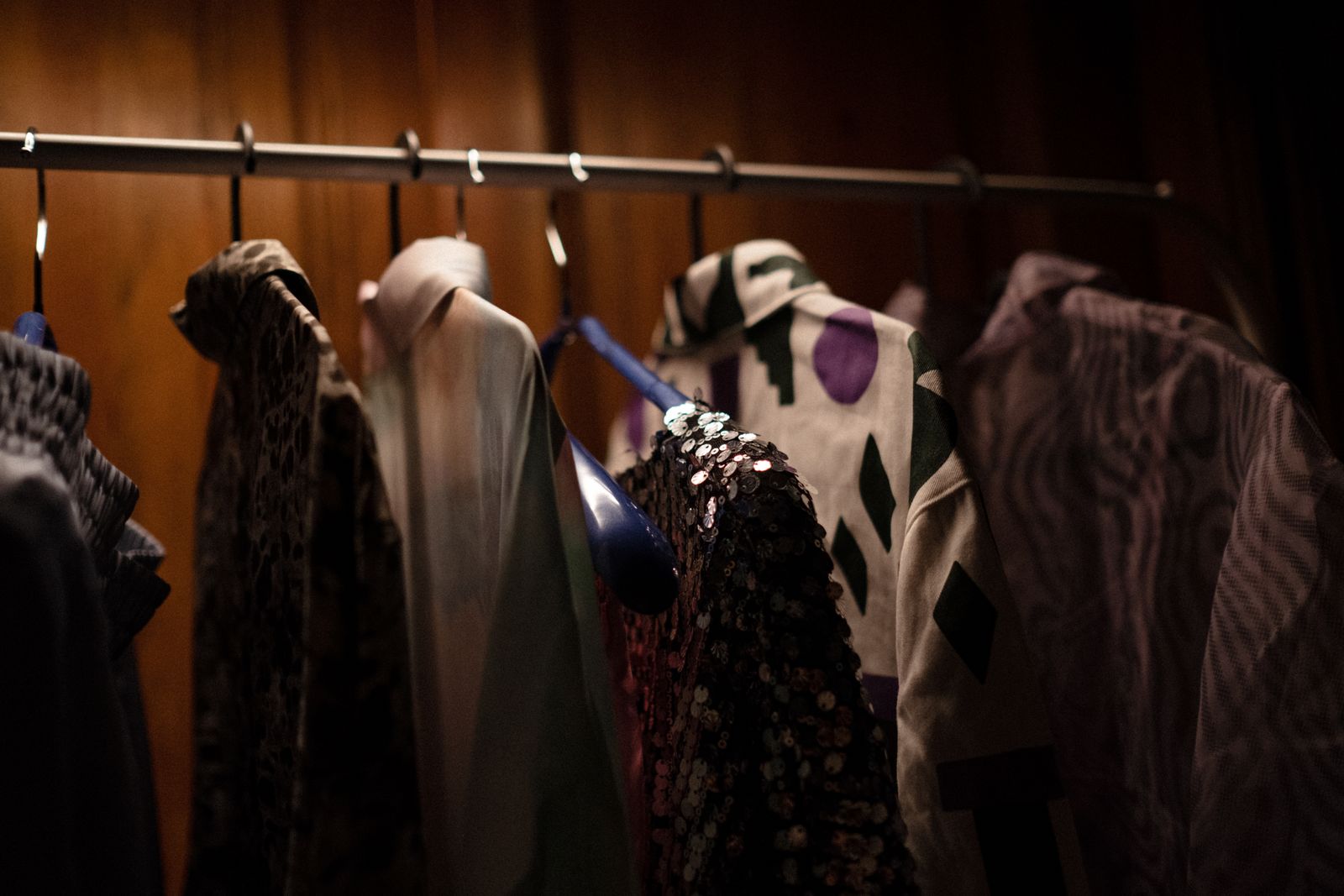
An organized wardrobe illustrates how different silhouettes can coexist while maintaining a coherent clothing system.
Long-Sleeve Basics and Seasonal Flexibility
Long-sleeve tops often function as quiet wardrobe heroes. They may not attract attention in the same way as a statement blouse, but they can support an impressive number of outfits.
During mild weather, a long-sleeve top can be worn alone with denim, trousers, or a skirt. As temperatures fall, it can become a base layer beneath jackets, coats, vests, and knitwear.
Neutral long-sleeve tops are particularly useful because they can disappear visually beneath another garment or create deliberate contrast when left partially visible.
Neckline selection matters. A crew neck creates a classic foundation, while a lower neckline can introduce a different relationship with jackets and necklaces.
A carefully selected Women’s Long Sleeve Basic Top can therefore extend the usefulness of an entire wardrobe across changing temperatures.
V-Neck Blouses for Polished Versatility
The V-neck blouse offers an appealing balance between structure and softness. It can look professional without appearing overly formal and can transition naturally into evening or smart-casual dressing.
The neckline creates visual openness, while the blouse construction adds refinement. This makes it especially useful for people who want a garment that can move between different levels of formality.
With tailored trousers, the blouse can become part of a professional outfit. With dark denim, it can create an elevated casual look. With a midi skirt, it can produce a more elegant silhouette.
Color selection should reflect the rest of the wardrobe. Cream, ivory, navy, black, muted blue, soft green, and neutral earth tones can all provide useful foundations depending on the existing collection.
The Women’s V-Neck Blouse category can fill the space between everyday T-shirts and more formal shirts.
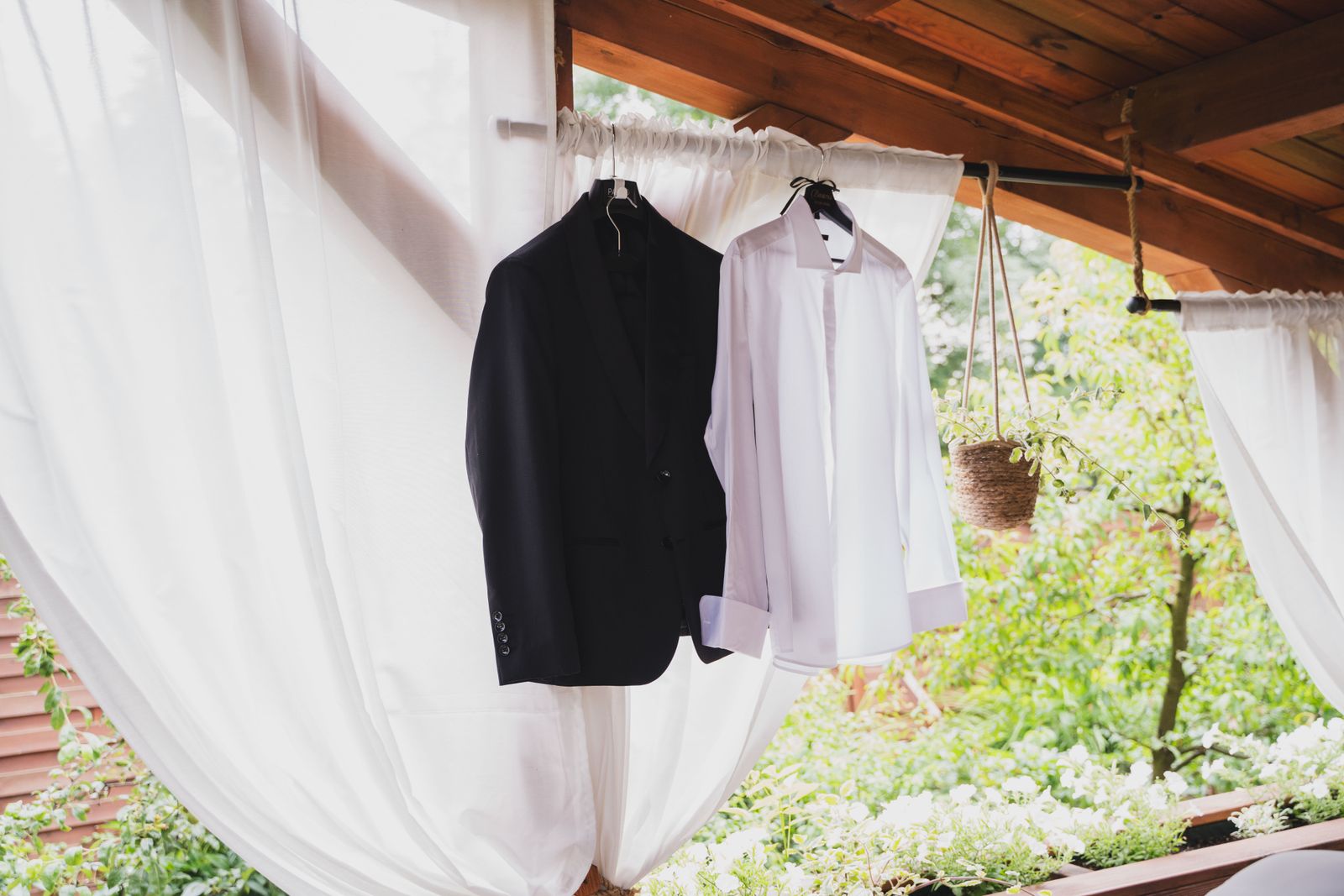
Classic tailoring and clean shirts demonstrate how simple silhouettes can communicate a polished visual identity.
Satin Button-Ups and Modern Elegance
Satin is naturally associated with a more elevated appearance because of its smooth surface and light reflection. However, it does not need to be reserved for formal occasions.
A satin button-up can be worn with tailored trousers for a sophisticated combination. It can also be paired with denim, creating contrast between the refined surface of the blouse and the casual character of denim.
Wearing a satin shirt open over a simple cotton top is another effective option. This creates a lightweight layer and allows the satin to function as a visual focal point.
Jewelry should generally be selected with balance in mind. Because satin already reflects light, overly elaborate accessories may not always be necessary.
The Women’s Satin Button-Up Blouse can therefore become a versatile bridge between everyday clothing and elevated dressing.
Building a Color Palette That Works Together
Color is one of the easiest ways to create wardrobe cohesion. A collection does not need to be monochromatic, but it benefits from having a clear group of colors that can be combined repeatedly.
Neutrals such as white, cream, black, gray, beige, navy, and brown provide a dependable foundation. Accent colors can then be added according to personal preferences and existing clothing.
Before buying a colorful top, consider how many bottoms already work with it. A beautiful shade becomes more useful when it can be combined with several existing garments.
Color can also be used to create different moods. Soft neutrals can support minimalist styling, darker shades can create stronger contrast, and muted colors can offer subtle visual interest.
The goal is not to restrict color. It is to make color choices more intentional.
Necklines as a Styling Tool
The neckline changes the visual structure of a top and affects how it interacts with jewelry and outerwear. Crew necks provide a clean, familiar foundation. V-necks open the neckline and create a natural space for certain necklaces. Higher necklines can emphasize minimalism.
When building a wardrobe, variety can be helpful. Owning only one neckline can make layering combinations feel repetitive.
However, variety should still be practical. If most outerwear has a particular neckline, select base layers that complement it rather than compete with it.
Sleeves and Their Influence on Proportion
Sleeve shape can transform the character of a top. Narrow short sleeves tend to create a clean silhouette. Wider sleeves communicate relaxation. Long fitted sleeves are useful for layering, while fuller sleeves can become statement details.
Three-quarter sleeves can provide a useful transitional option, particularly in climates where temperatures fluctuate throughout the day.
When choosing sleeves, consider practical movement. A beautiful sleeve that interferes with work or daily activities may receive less wear than a simpler design.
The Importance of Hem Length
The hem determines how a top interacts with the bottom half of the outfit. A shorter hem can work well with high-rise trousers and skirts. A longer hem may create more coverage and can work with slim bottoms.
Medium-length tops are often particularly flexible because they can be worn tucked, partially tucked, or loose.
Hem length should also be considered when layering. A longer blouse beneath a shorter jacket can create deliberate contrast, while similar lengths can create a cleaner visual line.
Creating Elevated Casual Outfits
Elevated casual dressing is often less about expensive garments and more about thoughtful combinations. A simple top can look polished when paired with clean, structured pieces.
A cotton T-shirt with tailored trousers creates a contrast between relaxed fabric and structured tailoring. An oversized top can be paired with streamlined bottoms and polished footwear. A ribbed top can create definition beneath a jacket.
Satin can also be used casually when combined with denim or simple accessories.
Garment condition is another important factor. Clean, well-maintained clothing generally looks more polished regardless of price.
Professional Wardrobe Applications
Workwear requirements vary considerably, but tops remain central to professional dressing. The most useful work tops are generally comfortable enough for long days while maintaining a clean appearance.
A V-neck blouse can pair with tailored trousers. A long-sleeve basic can work beneath a blazer. A satin shirt can provide an elevated alternative when a more refined appearance is appropriate.
Color coordination can simplify professional dressing. A small group of compatible tops and trousers can produce many combinations without requiring excessive wardrobe space.
Repeatability is also important. A successful work top should ideally work with several jackets and bottoms rather than depending on one exact outfit.
Weekend Dressing and Everyday Comfort
Weekend wardrobes often prioritize freedom of movement, ease, and comfort. Cotton and relaxed silhouettes become especially valuable in this context.
A classic T-shirt can work with jeans, casual trousers, skirts, or shorts. An oversized crew neck can provide a relaxed alternative. A ribbed top can introduce more definition when the outfit needs additional structure.
Accessories can change the result significantly. Sneakers and a casual bag create one direction, while loafers and a structured handbag create another.
Travel-Friendly Top Selection
Travel is a useful test of wardrobe efficiency because luggage space is limited. Tops should ideally be lightweight, easy to combine, comfortable, and appropriate for multiple settings.
A compact collection might contain two basic T-shirts, one relaxed top, one ribbed piece, one long-sleeve layer, one blouse, and one elevated button-up.
When colors coordinate, fewer bottoms are needed. A single pair of trousers can work with several tops, while a second pair can create additional contrast.
Care requirements should also be considered. Easy-care fabrics can be particularly useful when access to laundry or ironing is limited.
Wardrobe Organization by Function
Organizing tops by function can make daily dressing faster. Everyday basics can occupy one area, fitted pieces another, and blouses and elevated garments another.
Within each category, garments can be arranged by color. This makes it easier to see what is available and prevents certain pieces from disappearing at the back of the wardrobe.
Seasonal rotation can also be useful. Long-sleeve garments may move forward during cooler months, while short-sleeve tops become more accessible during warmer periods.
Good organization is not about making a wardrobe look perfect. It is about making clothing easier to use.
Using Texture Instead of Excessive Decoration
A wardrobe does not need numerous prints to remain visually interesting. Texture can provide much of the necessary variation.
Ribbed fabric, smooth satin, crisp cotton, denim, soft knitwear, and structured shirting all create different visual surfaces.
Combining textures can make neutral outfits especially sophisticated. A ribbed top with smooth trousers creates contrast. A cotton shirt with satin bottoms creates a matte-and-shine relationship.
This approach allows a wardrobe to remain relatively simple while still producing visually rich outfits.
Prints and Patterns in a Balanced Collection
Patterns can add personality, but they should have a relationship with the rest of the wardrobe. Stripes are often useful because they can behave almost like neutrals. Small-scale patterns can also be versatile when their colors connect with existing pieces.
If the wardrobe already contains statement bottoms or jackets, solid tops may be more useful because they allow those garments to remain the focal point.
Pattern selection should therefore be based on wardrobe balance rather than simply choosing the most noticeable design.
Layering Strategies Across Changing Temperatures
Layering is one of the most effective ways to extend the usefulness of women's tops. A short-sleeve T-shirt can work beneath a jacket. A long-sleeve top can become a base layer. A blouse can function as an outer layer when worn open over a simple foundation.
The most important principle is controlling bulk. Each layer should allow comfortable movement and contribute something visually useful.
Color can either blend or contrast. Similar shades create a quiet, sophisticated appearance, while contrasting colors can create stronger definition.
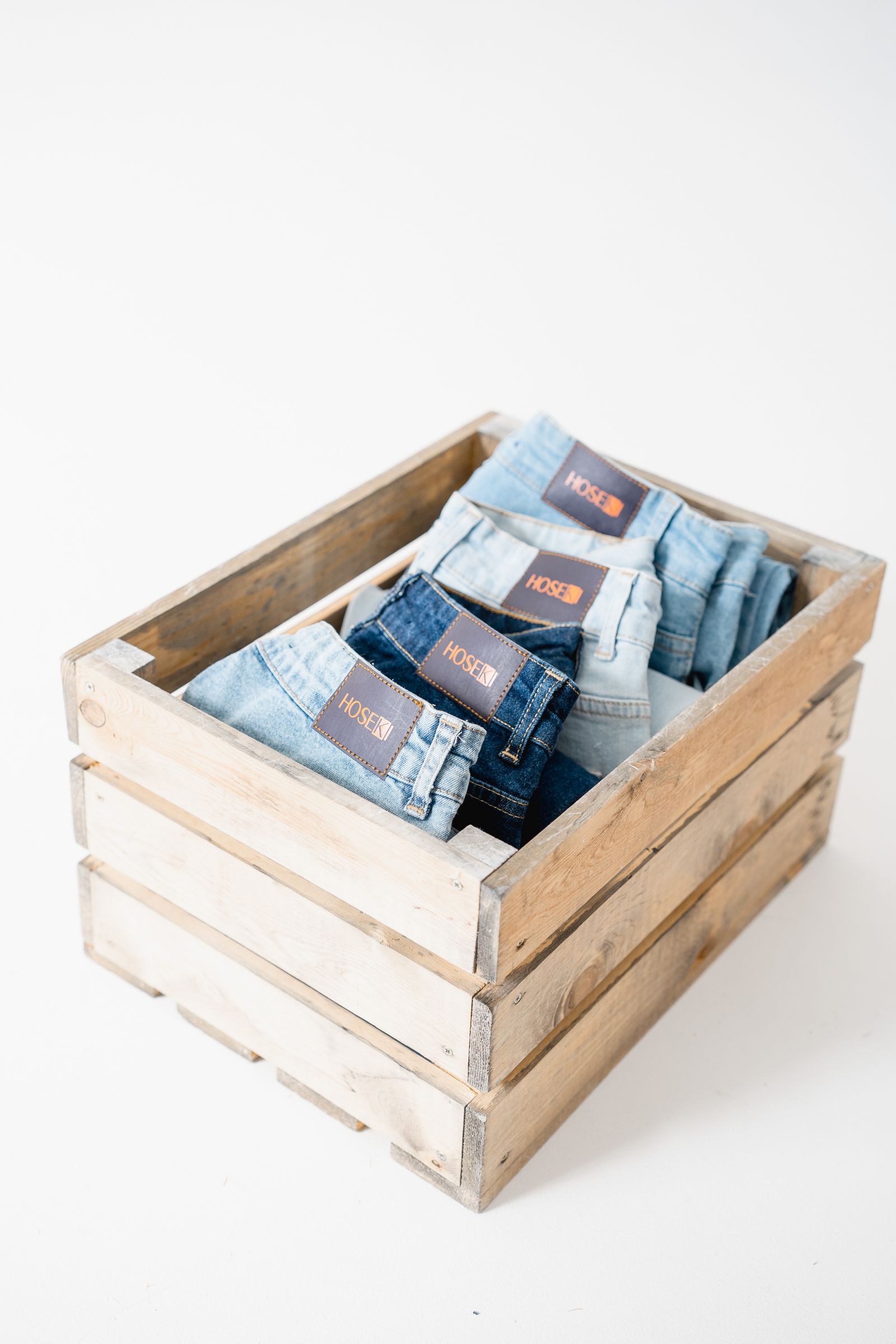
Organized clothing storage illustrates how material, color, and wardrobe structure can work together.
Accessories and Their Relationship With Tops
Accessories can change the perceived formality of a top without changing the garment itself. A cotton shirt with sneakers and a casual bag communicates ease. The same shirt with tailored trousers, refined shoes, and a structured handbag can appear significantly more polished.
Satin responds similarly. Minimal accessories can keep it sophisticated without becoming excessive, while denim and casual footwear can reduce its formal character.
Jewelry should also be considered alongside the neckline. Simple chains can complement V-necks, while earrings can become more prominent when the neckline is high and minimal.
The Three-Outfit Test for Smarter Shopping
One of the most practical shopping techniques is to create three outfits before buying a new top. The combinations should ideally use garments already owned.
If a top works with jeans, tailored trousers, and a skirt, it has already demonstrated flexibility. If it only works with one specific bottom and one specific shoe, it may have a more limited role.
This does not mean that every garment must be extremely versatile. Statement pieces can have value. The test simply helps distinguish foundational purchases from specialized ones.
Editorial rule: Think of every new top as either a foundation, a connector, or a statement. Foundations support many outfits, connectors bridge different wardrobe categories, and statements create visual distinction.
Building a Capsule Collection of Tops
A capsule wardrobe does not require an exact number of garments. It is better understood as a collection in which the pieces cooperate efficiently.
A useful capsule might include neutral cotton T-shirts, one relaxed oversized top, a ribbed fitted piece, long-sleeve basics, one or two blouses, and an elevated button-up.
The exact balance should reflect lifestyle. Someone with a highly casual routine may need more basics. Someone attending frequent meetings may need more blouses. Someone traveling often may prefer lightweight pieces that can be layered.
| Wardrobe Need |
Recommended Category |
Styling Advantage |
| Daily foundation |
Cotton T-shirt |
Works with almost everything |
| Relaxed proportions |
Oversized crew neck |
Adds comfort and volume |
| Defined silhouette |
Ribbed short sleeve |
Creates texture and shape |
| Layering |
Long sleeve |
Supports multiple seasons |
| Smart casual |
V-neck blouse |
Adds polish |
| Elevated dressing |
Satin button-up |
Creates sophistication |
Choosing Colors for Maximum Compatibility
Color compatibility is especially important in a capsule wardrobe. Neutral shades can provide the greatest number of combinations, but accent colors can be equally useful when they connect with existing pieces.
For example, a wardrobe based on cream, black, denim, and brown can accommodate muted green or burgundy without creating significant coordination problems.
When choosing an accent color, consider the colors of jackets, trousers, shoes, and bags already owned.
The strongest wardrobe palettes often contain a small group of core colors plus carefully selected accents.
How to Evaluate Quality
Quality can often be assessed through construction details rather than branding. Examine stitching, seams, hems, buttons, collar structure, and fabric recovery.
Consistent stitching can indicate careful construction. Secure buttons reduce maintenance problems. A stable neckline can help a garment retain its shape.
Fabric should also be evaluated according to its purpose. Lightweight material may be ideal for warm weather, while denser fabric can provide structure.
When shopping online, product descriptions and measurements become especially valuable because they provide information that photographs alone cannot communicate.
Care Techniques for Different Top Categories
Proper care is essential for extending the life of clothing. Always follow the garment's specific care instructions because different fabrics respond differently to washing, heat, and drying.
Cotton may tolerate regular washing but can respond poorly to excessive heat. Ribbed fabrics benefit from care that preserves their elasticity. Satin generally requires more delicate handling because its surface can be affected by friction and heat.
Storage should also reflect fabric and construction. Lightweight basics can often be folded, while structured blouses may benefit from suitable hangers.
Do not overload drawers or wardrobes. Compression can create wrinkles and make garments harder to access.
Making Repetition Look Stylish
Repeating clothing is a normal part of a functional wardrobe. The same top can create different outfits when paired with different bottoms, outerwear, shoes, accessories, or styling techniques.
A classic cotton top can appear casual with jeans and sneakers, polished with trousers and loafers, or elevated under a blazer.
An oversized top can be worn loose one day and partially tucked another. A blouse can be worn tucked into a skirt or left loose over tailored trousers.
Repetition becomes intentional when the surrounding elements change.
How to Use Basic Tops With Statement Pieces
Statement clothing often needs simple support. A dramatic skirt can become easier to wear when paired with a neutral T-shirt. Patterned trousers may benefit from a plain fitted top. A bold jacket can become more wearable over a simple long-sleeve layer.
This makes basic tops essential even in wardrobes that enjoy fashion experimentation.
The foundation pieces allow distinctive garments to appear more frequently instead of remaining isolated purchases.
Creating Monochromatic Outfits
Monochromatic dressing involves combining different shades or textures of one color family. It can produce a refined appearance without requiring complicated coordination.
Cream, ivory, beige, and camel can create a soft tonal outfit. Different black textures can create depth in a darker monochromatic combination.
Texture becomes particularly important because different surfaces prevent the outfit from appearing flat. Cotton, knitwear, satin, and tailoring can all contribute different levels of visual depth.
Casual Travel and Packing Efficiency
A well-planned travel wardrobe should make dressing easier rather than more complicated. Choose tops that can be combined with the same few bottoms and that can transition between daytime and evening.
Neutral colors make this easier, but a single accent color can provide variety.
Lightweight fabrics are useful because they reduce luggage bulk. Long-sleeve basics can provide additional warmth without requiring heavy garments.
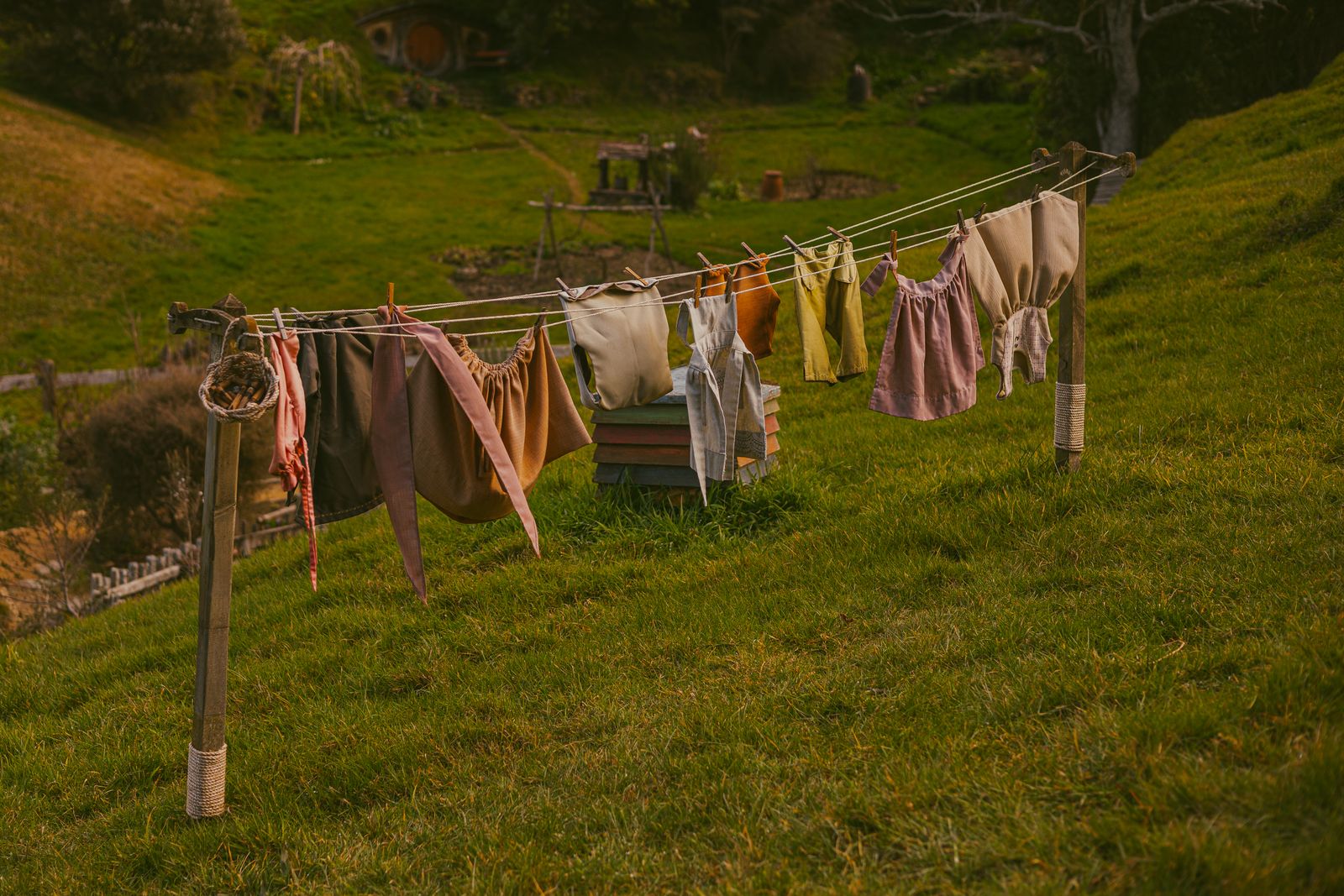
Clothing displayed outdoors highlights the relationship between fabric, seasonal dressing, and garment care.
Seasonal Wardrobe Rotation
Seasonal rotation helps a wardrobe remain practical without requiring constant shopping. During warmer months, short-sleeve cotton and lightweight tops can become the main foundation. During transitional weather, long-sleeve layers and blouses become more useful.
Cooler periods allow the same tops to be layered beneath jackets, coats, and knitwear.
Seasonal rotation also creates an opportunity to inspect clothing. Garments that were rarely worn can be reconsidered, while favorites can be given appropriate care before returning to regular use.
The Role of Women's Clothing Brands
Different brands often approach fit, fabrics, colors, and silhouettes in different ways. Exploring Women Clothing Brands can help shoppers compare different interpretations of everyday essentials and elevated styles.
The most important consideration remains the relationship between the garment and the wardrobe. A brand name alone does not determine whether a top is useful. The fabric, construction, fit, color, and styling potential should all be considered.
Comparing collections can also help identify recurring preferences. Some wardrobes may naturally favor minimalist basics, while others may benefit from more expressive blouses or textured silhouettes.
Styling Formulas for Busy Mornings
Having a few reliable outfit formulas can dramatically reduce the time required to get dressed. One simple formula is a fitted top with wide-leg trousers. Another is an oversized top with streamlined denim. A third is a blouse with tailored trousers.
A long-sleeve top beneath a structured jacket is another dependable combination for transitional weather.
These formulas are not strict rules. They are frameworks that can be adjusted through color, fabric, footwear, and accessories.
Balancing Fitted and Relaxed Garments
Wardrobe variety is easier when both fitted and relaxed silhouettes are available. Fitted tops can create definition, while oversized garments provide ease.
Combining contrasting proportions often creates visual balance. A loose top with a streamlined bottom provides one type of contrast. A fitted top with wide-leg trousers provides another.
The right balance depends on personal style and comfort, but having access to both categories expands the number of possible outfits.
Why Neutral Tops Remain Valuable
Neutral tops can appear simple, but their strategic value is significant. They can support statement bottoms, colorful accessories, patterned jackets, and textured layers.
A neutral garment does not need to be visually plain. Ribbing, satin, unusual sleeve proportions, or refined construction can provide interest without reducing compatibility.
This is why a collection can contain several neutral tops without feeling repetitive when their silhouettes and textures are different.
Replacing Worn-Out Favorites
Clothing eventually reaches the end of its practical life. Common signs include stretched collars, thinning fabric, damaged seams, permanent discoloration, and loss of shape.
Replacement should focus on function rather than an arbitrary timeline. If a garment remains attractive, comfortable, and structurally sound, it may still have considerable value.
When replacing a favorite, identify what made it successful. Was the neckline particularly comfortable? Was the fabric the ideal weight? Did the length work with most bottoms? Did the color coordinate easily?
Those details provide a useful blueprint for selecting the next version.
Smart Shopping and the Difference Between Need and Novelty
One of the most useful wardrobe habits is distinguishing between a genuine gap and the desire for something new.
If a wardrobe already contains several similar white T-shirts, another nearly identical piece may provide little additional functionality. If the collection lacks an elegant blouse, that category may offer a much greater expansion of styling options.
Shopping with this distinction in mind can reduce clutter and increase the average usefulness of every garment.
Creating a Professional Shopping Checklist
Before adding a new top, consider the following:
- Does the garment solve a genuine wardrobe need?
- Can it work with at least three existing bottoms?
- Does its color complement the current palette?
- Is the fabric appropriate for the intended climate?
- Will the neckline work with existing outerwear?
- Is the silhouette meaningfully different from what is already owned?
- Can the garment be maintained realistically?
- Does it support the wearer's actual lifestyle?
- Can it be dressed up or down when needed?
- Is it comfortable enough to encourage repeat wear?
This checklist turns shopping into a practical wardrobe-building exercise rather than a purely emotional decision.
Using One Top in Multiple Style Directions
A versatile top can often be transformed through styling rather than modification. Tucking changes proportion. Layering changes formality. Accessories change visual emphasis. Footwear changes the overall mood.
A blouse can be worn closed for a polished look, open as a lightweight layer, or partially tucked for a more relaxed silhouette.
A T-shirt can be tucked into trousers, worn loose with denim, or layered beneath a blazer.
These small changes significantly increase the value of a single garment.
The Relationship Between Tops and Bottoms
Top selection should never be separated completely from bottom selection. Wide-leg trousers may benefit from a more fitted top. Slim trousers can balance a larger top. A midi skirt can work with either a fitted ribbed garment or a relaxed blouse depending on the intended silhouette.
Understanding these relationships makes it easier to shop with purpose.
When evaluating a new top, imagine it with the bottoms already owned. If several combinations immediately come to mind, the garment is likely to integrate well.
Styling for Different Levels of Formality
One of the most useful properties of a good top is its ability to shift between levels of formality.
A cotton T-shirt can become more polished beneath a blazer. A ribbed top can move from casual to smart casual through tailored trousers. A blouse can become relaxed with denim. Satin can become casual when paired with understated accessories.
This adaptability is particularly useful for wardrobes that need to cover several types of social and professional activities.
How to Build a More Cohesive Wardrobe Over Time
A cohesive wardrobe does not need to be created in one shopping session. It can develop gradually as the wearer learns which colors, fabrics, silhouettes, and proportions work best.
Pay attention to the garments that are repeatedly selected. These reveal genuine preferences and practical needs.
Future purchases can then be based on those observations. If fitted ribbed tops are consistently useful, another color may be appropriate. If relaxed garments rarely get worn, there may be little reason to add more.
Visual Simplicity and Modern Fashion
Modern fashion often values clean lines, practical silhouettes, and thoughtful styling. This makes simple tops especially relevant because they can provide a quiet foundation for contemporary outfits.
Minimal clothing does not have to be boring. A clean silhouette in an excellent fabric can create a sophisticated appearance without excessive decoration.
The combination of quality texture, proportion, color, and styling can create more visual impact than a garment covered in unnecessary details.
Wardrobe Maintenance as Part of Style
Style does not end when a garment is purchased. Washing, drying, folding, hanging, ironing, and storage all influence how clothing looks over time.
Keep frequently worn tops accessible and avoid overcrowding. Follow care labels and address small repairs before they become larger problems.
Regularly inspect collars, seams, hems, and fabric surfaces. A small amount of maintenance can significantly extend the useful period of a garment.
How to Make a Smaller Wardrobe Feel More Complete
A smaller wardrobe can feel surprisingly comprehensive when each top has several functions. The secret is not the number of pieces but the number of combinations.
For example, six carefully selected tops can create dozens of combinations when paired with several bottoms, jackets, shoes, and accessories.
Changing proportions and layering methods can make the same garment appear different without requiring additional purchases.
Choosing Tops for Real Life
The most useful wardrobe is based on reality. Consider commuting, work, social activities, climate, travel, laundry routines, and personal comfort.
A garment should earn its place by being genuinely useful rather than simply looking good in a product photograph.
This principle is particularly important when choosing special or trend-focused pieces. They can have a place in the wardrobe, but they should coexist with reliable foundations.
Frequently Asked Questions
What should a basic women's top collection include?
A practical collection can include classic cotton T-shirts, a relaxed oversized top, a fitted ribbed style, long-sleeve basics, a versatile blouse, and an elevated button-up. The exact balance depends on lifestyle and climate.
How can an oversized top look intentional?
Balance the volume with streamlined bottoms, structured accessories, clean footwear, or a defined outer layer. Deliberate proportion is the key to making relaxed volume look polished.
Are ribbed tops versatile?
Yes. Their texture creates visual interest while their relatively simple silhouette allows them to work with denim, tailored trousers, skirts, and layered jackets.
Why are long-sleeve tops useful?
They can function as standalone garments and as base layers. This makes them particularly useful during transitional seasons and changing temperatures.
Can satin blouses be worn casually?
Yes. Pairing satin with denim, simple shoes, and understated accessories can create a relaxed interpretation of an otherwise elevated fabric.
How can I make my wardrobe more versatile?
Focus on compatible colors, varied silhouettes, practical fabrics, and tops that can be styled in multiple ways. Before buying a new garment, identify several existing pieces that can be worn with it.
The Professional Blueprint for a Complete Top Wardrobe
A modern women's top collection works best when it contains different categories with clearly defined functions. The purpose is not to own every silhouette available but to create a balanced group of garments that support real daily activities.
Classic cotton provides the everyday foundation. Oversized crew necks introduce relaxed volume. Ribbed tops add texture and definition. Long-sleeve basics make layering easier. V-neck blouses create polished smart-casual options. Satin button-ups provide a more refined alternative for occasions that require additional elegance.
The Women’s Classic Cotton T-Shirt remains useful as a foundational category because it can support countless casual and layered outfits.
For relaxed styling, the Women’s Oversized Crew Neck T-Shirt introduces a different proportion without requiring complicated styling.
A textured option such as the Women’s Ribbed Short Sleeve Top can provide definition, while the Women’s Long Sleeve Basic Top adds important layering flexibility.
When a wardrobe needs more polish, the Women’s V-Neck Blouse can bridge casual and professional dressing.
For an elevated finish, the Women’s Satin Button-Up Blouse can introduce smooth texture and a more sophisticated visual character.
Exploring Women Clothing Brands can also provide inspiration for comparing different interpretations of fit, fabric, color, and silhouette.
The most effective wardrobe strategy is ultimately based on cooperation between garments. A top should not exist only as an isolated purchase. It should interact with trousers, denim, skirts, jackets, footwear, accessories, and seasonal layers.
When choosing a new piece, evaluate the entire relationship. Consider whether its color complements existing garments, whether its silhouette introduces something useful, whether its fabric suits the intended purpose, and whether its care requirements fit naturally into everyday life.
Versatility is not about forcing every garment into every possible situation. It is about giving each garment several realistic opportunities to be worn. A favorite T-shirt may be ideal for daily errands, casual weekends, and layered outfits. A blouse may work for professional days, dinners, and smart-casual events. A satin shirt may move between evening occasions and relaxed denim combinations.
This approach also makes a wardrobe easier to maintain. When each piece has a clear purpose, it becomes easier to identify what is missing, what is overrepresented, and what no longer earns its space.
A polished wardrobe is therefore less about constant novelty and more about intelligent selection. Strong fabrics, balanced proportions, coordinated colors, practical silhouettes, and thoughtful layering create a foundation that can remain useful across seasons and changing fashion preferences.
The result is a collection that feels flexible without being chaotic, stylish without being unnecessarily complicated, and practical without sacrificing personality. Women's tops can become the most adaptable building blocks of a modern wardrobe when they are chosen with attention to fit, fabric, function, and the many ways each piece can participate in everyday dressing.

Comments
Post a Comment