The Role of Tops in a Modern Women’s Wardrobe
A thoughtfully planned wardrobe begins with garments that can perform more than one function. Among all clothing categories, tops are particularly important because they interact with almost every other part of an outfit. A single top can be worn with denim, tailored trousers, skirts, shorts, layered jackets, knitwear, and seasonal outerwear. This makes tops one of the most frequently used categories in everyday dressing.
The modern approach to women's fashion is increasingly centered on versatility. Instead of filling a closet with isolated pieces that only work for one occasion, many wardrobes benefit from a collection of complementary tops that can move between casual, professional, relaxed, and elevated settings. The objective is not simply to own more clothing. It is to create more combinations from the clothing already available.
A well-selected collection might include a classic cotton T-shirt, an oversized crew neck, a fitted ribbed top, a long-sleeve essential, a refined V-neck blouse, and a satin button-up. Each silhouette contributes something different. Some provide comfort, some structure, some layering ability, and others a more polished visual finish.
For everyday foundations, the Women’s Classic Cotton T-Shirt represents the type of simple garment that can become the backbone of numerous outfits.
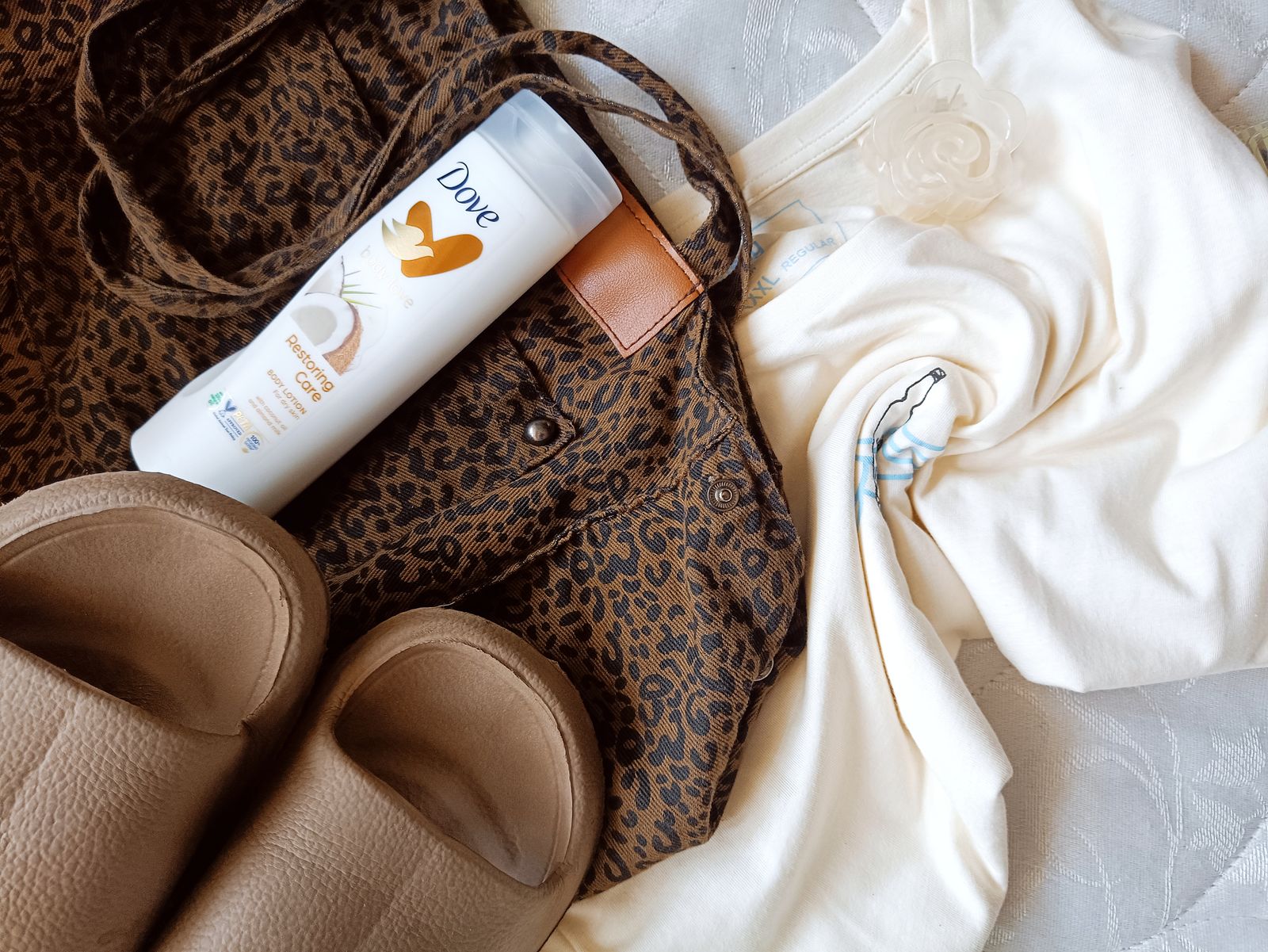
A neutral clothing arrangement demonstrates how simple garments can become the foundation of a versatile wardrobe.
Wardrobe principle: The strongest top collection combines reliable essentials with a smaller number of distinctive pieces. Basics provide frequency, while elevated styles provide variety.
Understanding the Main Types of Women’s Tops
Understanding the purpose of different top categories makes wardrobe planning easier. Rather than viewing every top as an independent fashion purchase, it is useful to see each category as a specific tool. A classic T-shirt handles everyday dressing, while a blouse introduces refinement. A ribbed top provides a defined silhouette, while an oversized top creates relaxed volume.
This functional perspective changes how shopping decisions are made. Instead of asking whether a garment looks attractive on its own, consider what it adds to the existing collection. If the wardrobe already contains numerous fitted pieces, another fitted piece may offer limited additional flexibility. A relaxed silhouette might contribute more variety.
| Top Type |
Visual Character |
Best Function |
Common Pairings |
| Classic Cotton T-Shirt |
Clean and simple |
Daily foundation |
Denim, trousers, skirts |
| Oversized Crew Neck |
Relaxed and contemporary |
Casual dressing |
Slim denim, leggings, straight pants |
| Ribbed Short Sleeve |
Textured and defined |
Polished casual |
High-rise pants, skirts, denim |
| Long Sleeve Basic |
Minimal and adaptable |
Layering |
Blazers, jackets, vests |
| V-Neck Blouse |
Refined and feminine |
Smart casual |
Tailored trousers, skirts |
| Satin Button-Up |
Smooth and elevated |
Occasion dressing |
Dark denim, trousers, skirts |
The categories overlap, but each one has a different center of gravity. The more clearly those differences are understood, the easier it becomes to create a wardrobe that feels complete without becoming excessive.
Fabric Selection: The Foundation of Comfort and Appearance
Fabric affects nearly every aspect of a top. It determines how the garment falls, how it feels against the skin, how it handles temperature, how it reacts to washing, and how formal or casual it appears.
Cotton remains one of the most practical materials for everyday tops because it can be produced in many weights and finishes. Lightweight cotton can feel fresh and relaxed, while heavier cotton can provide additional structure. Blended fabrics can add stretch, durability, or other performance characteristics.
Ribbed fabrics introduce texture and elasticity. Their raised construction gives the garment visual depth while often allowing comfortable movement. This makes ribbed tops especially useful when a simple silhouette needs a little more character.
Satin creates a completely different impression. Its smooth surface reflects light and can make even a relatively simple button-up look more sophisticated. Satin can be especially effective when the rest of an outfit is kept visually restrained.
When choosing fabric, consider not only appearance but also maintenance. A garment that requires constant special care may be less useful for everyday wear than a piece that can be cleaned and stored easily.
Professional styling tip: Think about the visual personality of the fabric. Matte cotton usually communicates ease, textured ribbing creates structure, and smooth satin adds light and refinement.
Fit Is About Proportion, Not Simply Size
Fit is often misunderstood as a question of whether clothing should be tight or loose. In reality, good fit is largely about proportion and intended silhouette. An oversized top can be correctly fitted for an oversized design, while a fitted top can be intentionally close to the body.
The shoulder line is particularly important. If the shoulder seam sits too far away from the intended position without being designed as a dropped shoulder, the garment may look accidental. Conversely, a deliberately relaxed shoulder can create a contemporary silhouette.
Length matters as well. A cropped top changes the relationship between the upper body and the lower garment. A longer top creates more coverage and can produce a different vertical line. A tucked top changes proportions again by defining the waist area.
When building a collection, it is useful to have more than one silhouette. Fitted pieces can provide clean layering under jackets, while relaxed pieces offer comfort and visual ease.
Oversized Tops and the Art of Relaxed Proportions
Oversized tops have become an important part of contemporary casual dressing because they combine comfort with a strong visual identity. However, successful oversized styling depends on deliberate proportions.
A relaxed top can work particularly well with narrower trousers or straight-leg denim. The contrast between volume on top and a cleaner lower silhouette gives the outfit structure.
Another option is to balance an oversized top with a structured accessory. A defined handbag, polished shoes, or a neat belt can introduce visual control without eliminating the relaxed character of the garment.
The Women’s Oversized Crew Neck T-Shirt category is particularly relevant for this approach because the crew neckline remains simple while the silhouette provides additional volume.
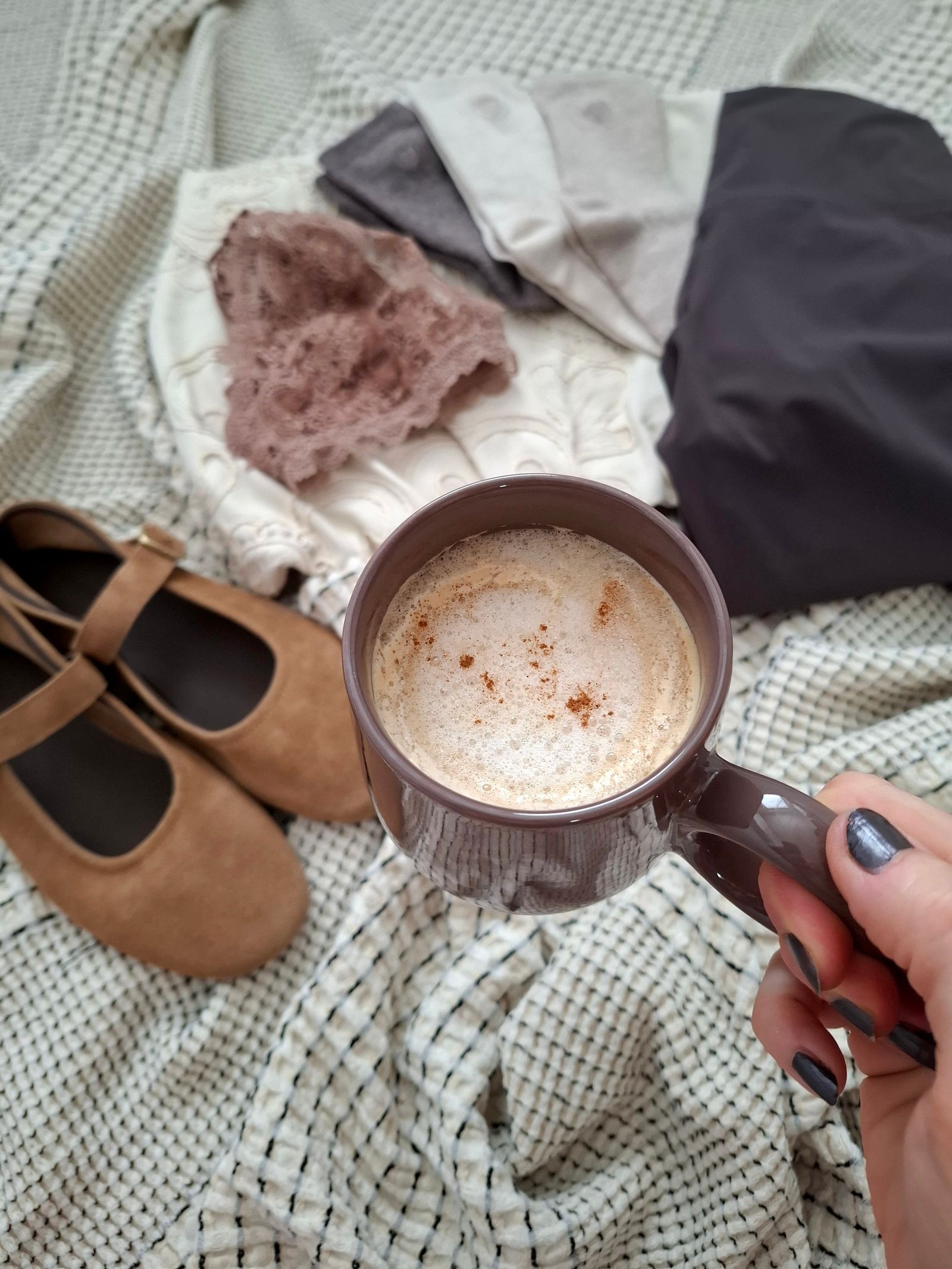
Relaxed clothing, footwear, and accessories arranged together can inspire comfortable everyday outfit formulas.
Ribbed Tops for Definition and Texture
Ribbed tops occupy a useful position between basic and statement dressing. The silhouette can remain simple, but the fabric itself introduces texture. This means the garment can create visual interest without relying on elaborate prints or decoration.
A ribbed short-sleeve top can be paired with high-waisted trousers for a defined look. With a flowing skirt, the fitted silhouette creates contrast. With denim, it becomes an easy polished-casual option.
Neutral ribbed tops can become especially useful because their texture provides enough visual character even when the color remains understated.
The Women’s Ribbed Short Sleeve Top is an example of a category that can provide structure while remaining practical for everyday combinations.
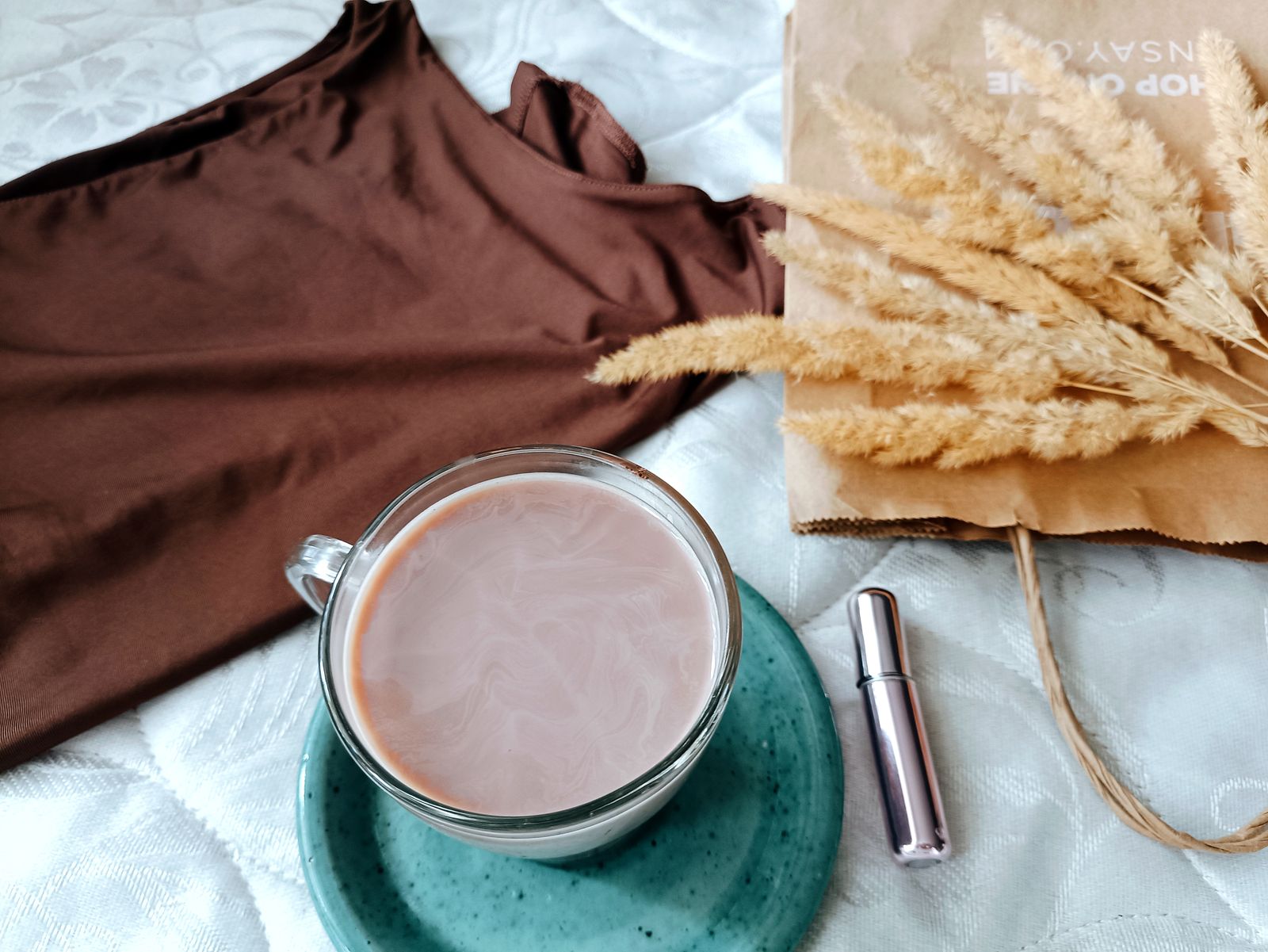
Texture and neutral styling elements can make simple clothing compositions feel more sophisticated.
Long-Sleeve Tops as a Layering Foundation
Long-sleeve basics are among the most practical garments for transitional dressing. They can function as standalone tops during mild weather and become base layers when temperatures drop.
A smooth long-sleeve top works especially well beneath a blazer because it minimizes bulk around the shoulders and arms. It can also sit underneath sleeveless dresses, vests, or lightweight jackets.
Color is important because base layers often remain partially visible. Neutral colors can provide maximum compatibility, while deeper colors can create intentional contrast.
The Women’s Long Sleeve Basic Top category can therefore serve as a structural component of a wardrobe rather than simply another casual garment.
V-Neck Blouses and Smart-Casual Dressing
A V-neck blouse can bridge the space between casual T-shirts and formal shirts. The neckline creates openness, while the blouse construction maintains a polished appearance.
This makes the V-neck silhouette useful for office settings, dinners, meetings, travel, and smart-casual occasions. The styling direction depends on fabric, color, sleeve shape, and the pieces worn with it.
With tailored trousers, the blouse can appear professional. With dark denim, it can become sophisticated casual wear. With a midi skirt, it can create a softer and more refined combination.
Neckline depth should always be considered according to the setting. A moderate V can be highly adaptable, while a deeper neckline may be better suited to evening or social styling.
The Women’s V-Neck Blouse is therefore a useful category for wardrobes that require flexibility between casual and polished dressing.
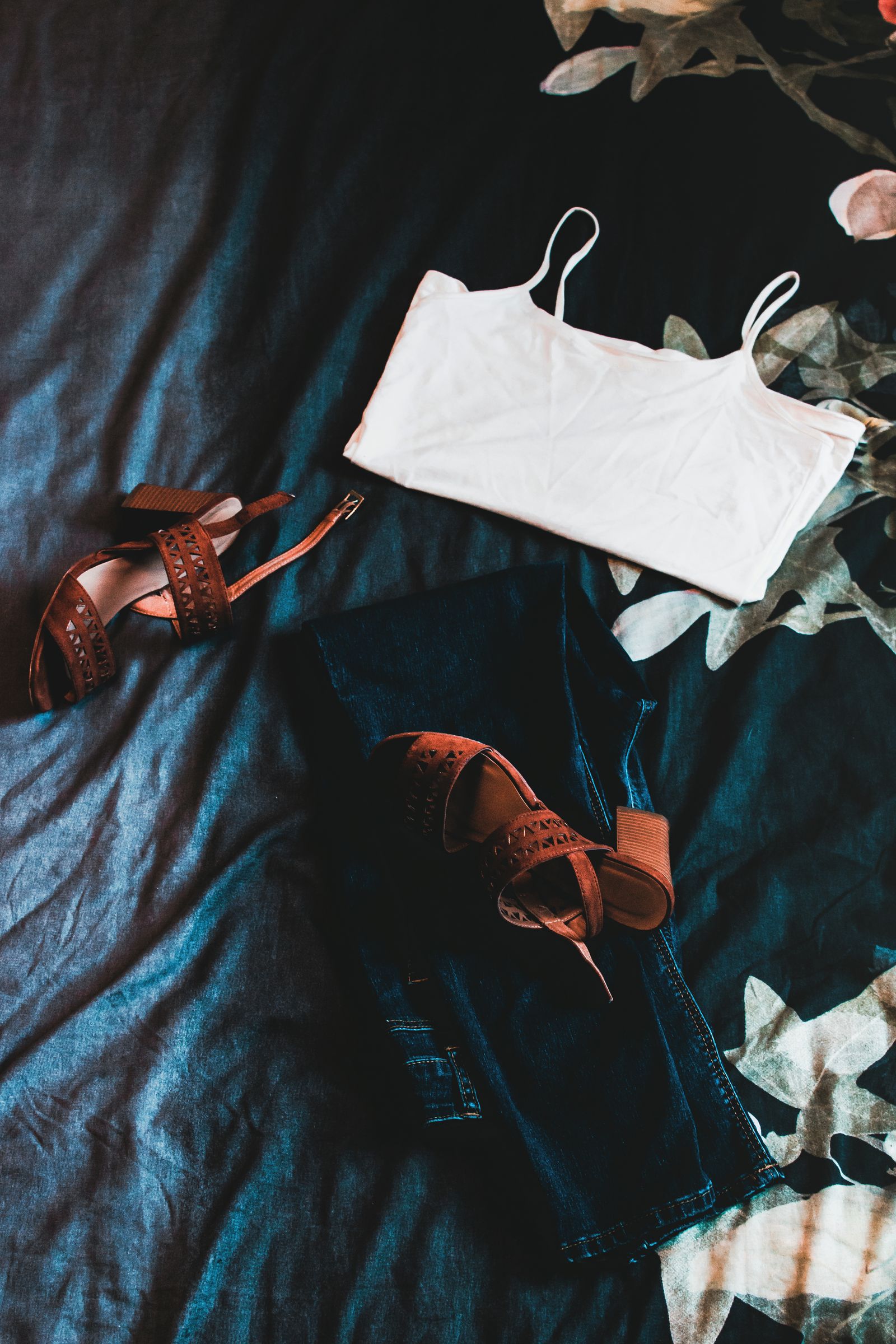
A simple light-colored top combined with denim demonstrates the foundation of effortless casual styling.
Satin Button-Ups for an Elevated Wardrobe
Satin introduces a smooth, light-catching surface that can immediately change the character of an outfit. It is especially useful when a wardrobe needs a piece that feels more elevated without requiring complicated construction.
A satin button-up can be worn with tailored trousers for a refined appearance. It can also be paired with denim to create contrast between polished fabric and casual texture.
Wearing the shirt open over a simple base layer is another styling option. This creates a lightweight third layer while allowing the satin to remain the visual focal point.
Color can dramatically affect the result. Black and deep jewel tones create a stronger evening impression, while cream, champagne, muted beige, and soft pastels can feel lighter and more versatile.
The Women’s Satin Button-Up Blouse can therefore function as an elevated addition to a wardrobe built primarily around everyday basics.
Building a Color System That Makes Dressing Easier
A wardrobe becomes easier to use when its colors communicate with one another. This does not mean everything needs to match exactly. Instead, several colors should be capable of appearing together naturally.
Neutral colors such as black, white, cream, beige, gray, navy, and brown can form a dependable foundation. Accent shades can then be added according to personal preference.
A simple test is to consider whether a new top works with at least three bottoms already in the wardrobe. If it works with several jackets as well, its versatility becomes even stronger.
Color can also be used to organize the closet. Grouping similar tones together makes outfit planning quicker and helps reveal whether the wardrobe is becoming overly concentrated in one color family.
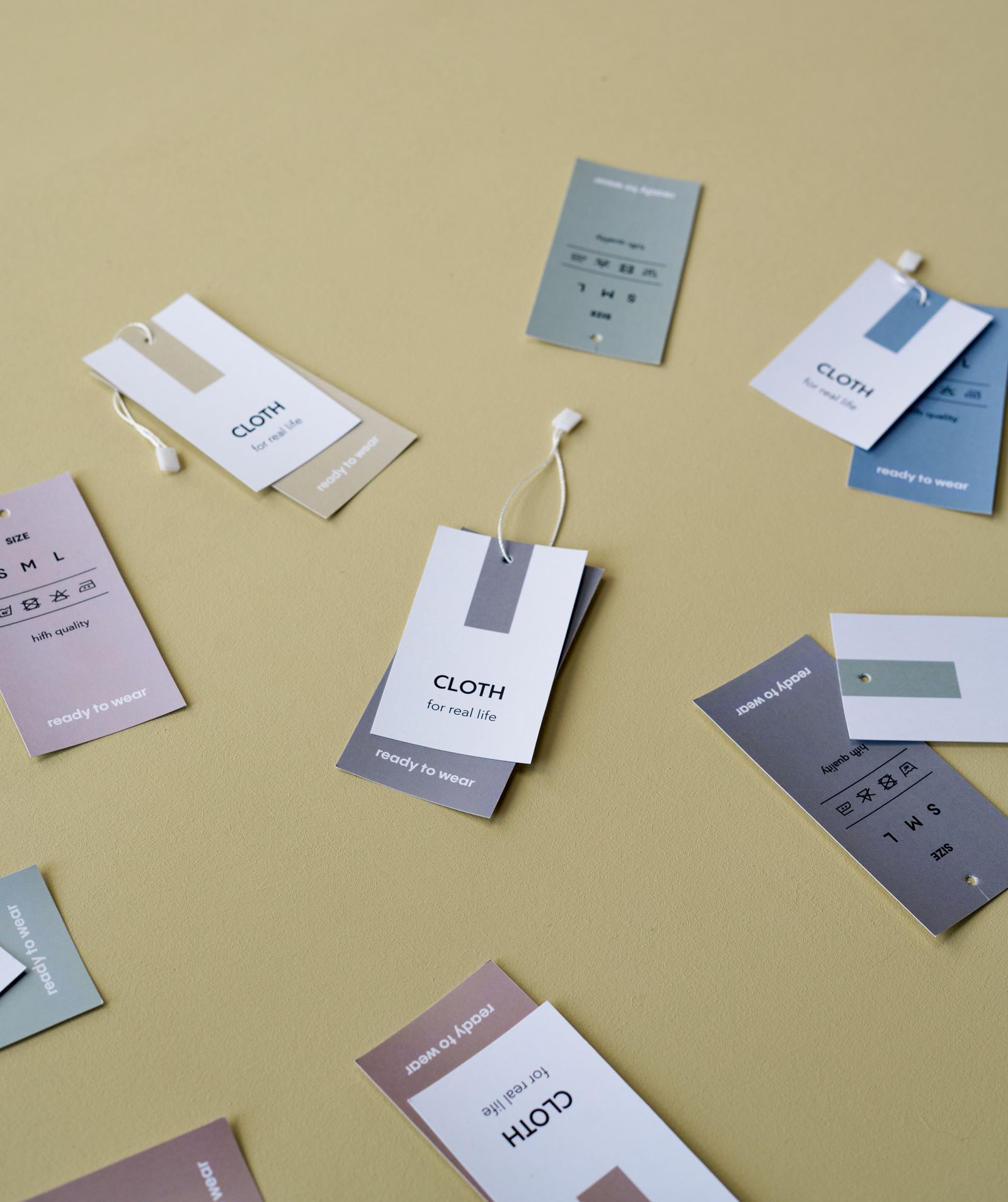
A clean retail-inspired composition highlights how color and presentation contribute to fashion identity.
Choosing Necklines for Layering
Necklines should be evaluated not only for how they look alone but also for how they interact with outer layers. Crew necks can provide a clean foundation beneath jackets and cardigans. V-necks create a more open area around the collarbone and can accommodate certain necklace styles.
Higher necklines can create a minimalist effect, particularly when the garment is worn alone. Wider necklines can introduce a softer visual line.
When purchasing a top for layering, consider the neckline of the garments already owned. A wardrobe with several open blazers may benefit from simple crew necks and V-necks. A wardrobe dominated by high-neck outerwear may require more variation.
Sleeve Design and Visual Balance
Sleeves are often overlooked when evaluating a top, yet they can significantly change the garment's character. A narrow short sleeve can create a clean fitted appearance. A wider sleeve can communicate relaxation. A long fitted sleeve works well as a base layer, while a fuller sleeve can become a statement detail.
Three-quarter sleeves can be useful for transitional weather and may create an elegant wrist line when paired with bracelets or a watch.
When choosing sleeves, consider both climate and lifestyle. A dramatic sleeve may look beautiful but be less practical for daily tasks. A clean, simple sleeve may provide more repeat wear.
The Importance of Length
Top length affects proportion, layering, and styling options. Shorter tops can work with high-rise bottoms, while longer tops provide additional coverage and can be styled over leggings or slim trousers.
Medium-length tops often provide the widest range of uses because they can be tucked, partially tucked, or worn loose.
Length should also be considered with outerwear. A longer shirt beneath a shorter jacket can create deliberate layering, while similar lengths may produce a cleaner silhouette.
Creating Casual Outfits With More Intention
Casual clothing does not need to appear careless. A casual outfit can feel polished when the colors coordinate, the garments are in good condition, and the proportions are deliberate.
A classic cotton T-shirt with straight denim and clean sneakers creates an easy foundation. Replacing the sneakers with loafers and adding a structured bag can shift the same outfit toward a more refined direction.
An oversized top can be paired with streamlined trousers, while a fitted ribbed top can work with relaxed denim. These combinations create balance through contrasting proportions.
Accessories should be selected according to the desired level of polish. A minimal watch or simple earrings may be enough to finish an everyday outfit.
Professional Styling for Work and Business Settings
Workwear varies by industry and environment, but tops remain one of the easiest categories through which to communicate polish. Clean construction, appropriate coverage, controlled color, and reliable comfort are useful principles across many professional settings.
A V-neck blouse can pair naturally with tailored trousers. A long-sleeve basic can sit under a blazer. A satin shirt can provide an elevated option for meetings, presentations, dinners, or other settings where a more refined appearance is appropriate.
Repeatability matters in professional wardrobes. A successful work top should ideally function with several bottoms and outer layers so that it does not appear limited to one outfit.
Weekend Wardrobes and Relaxed Essentials
Weekend clothing usually prioritizes movement and comfort. This is where cotton and relaxed silhouettes become particularly useful.
A basic T-shirt can work with jeans, wide-leg trousers, casual skirts, or shorts. A ribbed top can create more definition, while an oversized crew neck can provide an intentionally relaxed look.
The goal is to create easy combinations that require minimal decision-making. When several tops work with the same denim and footwear, the wardrobe becomes naturally flexible.

Seasonal textures and neutral clothing can help transition a wardrobe between different temperatures.
Travel Dressing With a Small Top Collection
Travel is one of the best tests of wardrobe versatility. A limited suitcase requires garments that can perform multiple roles.
A practical travel selection might include two basic T-shirts, one relaxed top, one fitted ribbed piece, one long-sleeve layer, one blouse, and one elevated shirt. These pieces can support many combinations when the color palette is coordinated.
Lightweight fabrics are especially valuable because they can be layered without adding excessive bulk. Neutral colors also simplify packing because fewer bottoms are required.
For travel, maintenance should be considered as carefully as appearance. Garments that wrinkle easily or require special care may need additional planning.
Wardrobe Planning Around Lifestyle
There is no universal perfect collection of women's tops. The correct combination depends on daily activities.
Someone working primarily from home may need more comfortable cotton and relaxed pieces. A professional who attends meetings frequently may require additional blouses and polished layering tops. Someone who travels often may prioritize lightweight fabrics and neutral colors.
Wardrobe planning should therefore begin with a lifestyle audit. Consider where most of the week is spent, what temperatures are common, how often laundry is done, and what types of events regularly occur.
This prevents the common mistake of buying clothes for an imagined lifestyle rather than actual daily needs.
Texture as a Tool for Sophisticated Styling
Texture can make a simple outfit visually interesting without adding bold patterns. Ribbed cotton, smooth satin, brushed fabrics, denim, knitwear, and crisp shirting each reflect light differently.
Combining textures is one of the easiest ways to make neutral outfits feel sophisticated. A smooth blouse with denim creates contrast. A ribbed top under a structured jacket combines softness with tailoring. A cotton T-shirt paired with a satin skirt introduces a matte-versus-shine relationship.
Texture also helps create seasonal identity. Lightweight cotton feels naturally suited to warmer weather, while heavier knits and brushed materials provide a visual sense of warmth.
Prints and Patterns Without Losing Versatility
Patterns can add personality, but they should be introduced with awareness of the rest of the wardrobe. A patterned top can become a focal point, while solid-colored tops provide support for statement bottoms.
Stripes are particularly useful because they often function similarly to neutrals. Small-scale prints can also be flexible when their colors connect with existing garments.
If a wardrobe already contains several statement pieces, additional solid tops may create more useful combinations than another bold print.
Layering Strategies for All Seasons
Layering allows the same tops to work across different temperatures. A short-sleeve T-shirt can be worn beneath a jacket. A long-sleeve basic can work under a vest. A blouse can sit beneath a coat or over a lightweight base layer.
Layering works best when each garment has enough room to move. Avoid combining too many bulky layers because the result can become uncomfortable and visually heavy.
Color coordination also matters. Layers can either blend tonally or create deliberate contrast. A neutral base with a darker jacket is a classic approach, while similar shades can create a quieter monochromatic effect.
How Accessories Transform Basic Tops
Accessories can dramatically change the impression of the same garment. A simple cotton top can become casual with sneakers and a canvas bag, more polished with tailored trousers and a structured handbag, or more sophisticated beneath a blazer.
A satin blouse can move in the opposite direction. It can become relaxed when worn open over a basic T-shirt and denim, or more formal when combined with a skirt and refined accessories.
This flexibility demonstrates why wardrobe planning should consider complete outfits rather than isolated garments.
Building a Compact Capsule of Tops
A capsule wardrobe is essentially a group of garments that work together efficiently. The exact number of tops is less important than their compatibility.
A practical collection could contain two neutral T-shirts, one accent T-shirt, one oversized casual top, one ribbed fitted top, two long-sleeve layers, one blouse, and one elevated button-up.
Someone with a more formal lifestyle could shift the balance toward blouses and polished shirts. Someone with a casual lifestyle could increase the number of T-shirts and relaxed pieces.
| Wardrobe Requirement |
Useful Top |
Main Advantage |
| Everyday basics |
Cotton T-shirt |
Maximum pairing flexibility |
| Relaxed styling |
Oversized crew neck |
Comfort and volume |
| Fitted outfits |
Ribbed top |
Texture and definition |
| Layering |
Long-sleeve basic |
Seasonal versatility |
| Smart casual |
V-neck blouse |
Polished appearance |
| Elevated occasions |
Satin button-up |
Sophisticated finish |
How to Shop More Intentionally
Professional wardrobe shopping begins with questions rather than impulse. Before purchasing a top, consider whether the garment fills an actual gap.
- Does the silhouette add something different?
- Can the color work with several existing garments?
- Is the fabric appropriate for the intended climate?
- Will the neckline work with current jackets and outerwear?
- Can the garment be worn in at least three different outfits?
- Is the maintenance routine realistic?
- Does the garment suit actual daily activities?
- Will it remain useful beyond one particular trend?
This type of evaluation can make shopping more efficient and reduce the number of garments that remain unused.
Quality Indicators to Examine Before Buying
Quality is not determined solely by price or branding. Construction details can provide useful information.
Look at stitching, hems, buttons, collar construction, fabric recovery, and seam alignment. A well-finished garment should generally appear intentional from both the front and back.
Fabric density can also matter. Extremely thin materials may be useful in certain climates, while heavier fabrics may provide better structure. Neither is automatically superior; the correct choice depends on purpose.
When shopping online, measurements and fabric descriptions become particularly important because photographs cannot communicate every physical characteristic.
Garment Care and Long-Term Appearance
Even well-made tops need appropriate care. Always follow the garment's care instructions because different fibers and finishes can react differently to washing and heat.
Cotton may tolerate regular washing, but excessive heat can contribute to shrinkage. Ribbed fabrics may benefit from gentler treatment that preserves elasticity. Satin requires attention to friction, temperature, and detergent choice.
Storage also matters. Fold lightweight basics when appropriate, and use suitable hangers for structured blouses. Avoid overcrowding drawers because excessive compression can create unnecessary wrinkles.
Regular care can make a wardrobe look more polished without requiring constant replacement.
Creating More Outfits From Fewer Tops
One of the most effective wardrobe exercises is the three-outfit method. Choose one top and create three clearly different combinations using existing clothing.
A classic white or cream T-shirt can work with blue denim, tailored trousers, and a skirt. An oversized top can be combined with slim trousers, straight jeans, or layered over another lightweight piece.
A satin blouse can be worn with dark denim for smart casual dressing, tailored trousers for a professional look, or a skirt for evening styling.
This method reveals which garments are truly versatile and which purchases may be too restrictive.
Balancing Fitted and Relaxed Silhouettes
A wardrobe feels more versatile when it contains different levels of volume. Fitted tops provide definition, while oversized garments create ease.
Contrast can make outfits more visually balanced. A relaxed top with slim trousers creates one type of proportion. A fitted top with wide-leg pants creates another.
There is no single correct combination. The important point is that the wardrobe provides enough variety to support different styling preferences.
Using Neutral Basics as a Visual Foundation
Neutral tops are valuable because they allow other garments to become the focus. A cream T-shirt can support patterned trousers. A black long-sleeve top can sit beneath a colorful jacket. A white blouse can balance a bold skirt.
Neutral does not have to mean plain. Ribbing, satin, subtle texture, unusual sleeves, and refined construction can add interest while preserving compatibility.
This is why a wardrobe can contain many neutral garments without necessarily feeling repetitive if their textures and silhouettes differ.
Styling One Top in Multiple Ways
A versatile top should ideally have several styling directions. A button-up can be worn closed, partially open, fully open as a layer, tucked, or left loose.
A T-shirt can be tucked fully, half-tucked, worn loose, or layered beneath a jacket. An oversized top can be styled with fitted bottoms or balanced with structured accessories.
These small changes allow one garment to participate in several outfit formulas.
Seasonal Rotation and Wardrobe Refreshing
Seasonal rotation does not require completely rebuilding the closet. Instead, bring the most seasonally relevant pieces to the front and store less useful garments appropriately.
In warmer months, lightweight cotton and short sleeves can dominate. During transitional weather, long sleeves and layering pieces become more important. Cooler periods can emphasize long sleeves beneath jackets and coats.
Rotating garments can also reduce wear on frequently used pieces and make older clothing feel new again when it returns to active use.
Travel Packing With Coordinated Tops
Travel wardrobes benefit from a limited color palette. When most tops can work with the same few bottoms, the number of possible outfits increases without increasing luggage weight.
Lightweight pieces are particularly useful because they can be layered. A long-sleeve top can become an evening layer, while a blouse can work for both daytime and dinner.
Travel also highlights the importance of wrinkle resistance and easy care. A beautiful garment that requires extensive maintenance may be less practical on a busy trip.
How Women’s Clothing Brands Can Support Different Wardrobe Needs
Different fashion collections may emphasize different strengths. Some focus on minimalist essentials, others on contemporary silhouettes, and others on polished or occasion-oriented pieces.
Exploring Women Clothing Brands can therefore be useful when looking for different interpretations of fabric, fit, color, and construction.
The important consideration is not simply the name of the brand but whether the garment fits the intended role within the existing wardrobe.
Professional Outfit Formulas Worth Remembering
Simple formulas can make everyday dressing much faster. One useful formula is fitted top plus wide-leg trousers. Another is oversized top plus streamlined bottoms. A third is blouse plus tailored trousers. A fourth is long-sleeve base plus structured jacket.
These formulas are not rigid rules. They are starting points that can be adjusted according to color, texture, accessories, and occasion.
Once several formulas are familiar, wardrobe planning becomes less dependent on inspiration and more dependent on a reliable system.
The Importance of Repetition
Repeating clothing is a normal and useful part of a functional wardrobe. The goal is not to avoid wearing the same top twice. The goal is to make the same top work in different contexts.
Changing bottoms, footwear, outerwear, bags, and jewelry can transform the appearance of the same basic garment.
This is another reason versatile tops can provide significant wardrobe value. They support repeated use without necessarily producing identical outfits.
When a Basic Top Becomes a Statement Piece
A basic silhouette does not always create a basic appearance. Color, texture, proportion, and styling can transform a simple top into the focal point of an outfit.
A saturated color can make a classic T-shirt visually prominent. A ribbed texture can create enough interest to become the center of a simple outfit. A satin surface naturally attracts light.
This means that statement dressing does not always require elaborate decoration. Sometimes a strong color or material is enough.
Choosing Tops for Different Social Settings
Different occasions call for different levels of polish. Casual gatherings can work well with cotton or relaxed tops. Smart-casual settings may call for ribbed pieces or blouses. Evening occasions can provide opportunities for satin and more refined fabrics.
Instead of owning separate wardrobes for every situation, choose pieces that can shift level through styling. This makes the collection smaller and more practical.
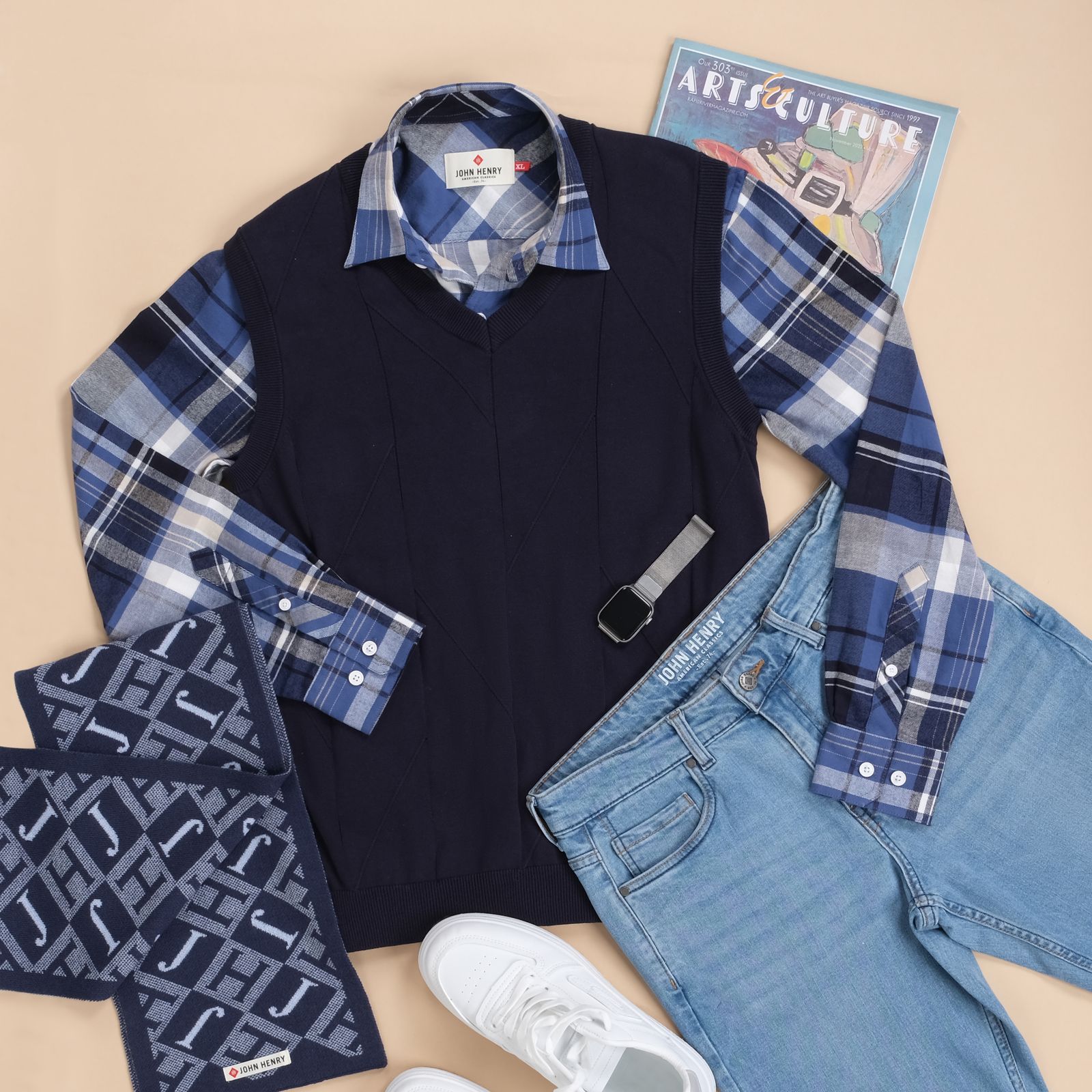
A coordinated clothing flat lay demonstrates how multiple casual elements can work together as one visual composition.
Building a Wardrobe That Feels Cohesive
A cohesive wardrobe is one in which individual pieces can communicate with one another. The relationship can come from color, texture, proportion, or formality.
For example, a cotton T-shirt may connect with denim and casual trousers. A ribbed top may connect with skirts and tailored pants. A blouse may connect with both professional and evening pieces.
When enough relationships exist, outfit creation becomes significantly easier.
Practical Questions Before Adding Another Top
Before purchasing another garment, look through the current wardrobe. Determine whether the collection is missing a particular function or simply missing novelty.
If the wardrobe lacks layering pieces, a long-sleeve basic may solve a genuine need. If it lacks polished casual options, a V-neck blouse may add more value. If it already contains numerous similar T-shirts, another nearly identical one may not significantly expand the available outfits.
This distinction between need and novelty is one of the most useful principles in intentional wardrobe building.
Why Simple Pieces Often Become Wardrobe Favorites
Favorite garments are often not the most dramatic pieces. They are frequently the ones that fit comfortably, coordinate easily, and work for several parts of everyday life.
This explains why simple cotton tops remain important even when fashion trends change. They solve practical problems repeatedly.
The value of a basic piece increases when it is comfortable enough for long wear, attractive enough for social settings, and adaptable enough to support different outfits.
Creating a Refined Casual Aesthetic
Refined casual dressing can be created through contrast. Combine relaxed clothing with one or two structured elements. For example, a soft T-shirt can be worn with tailored pants. An oversized top can be combined with polished footwear. A satin shirt can be paired with denim.
The result does not need to look formal. Instead, it should appear deliberate.
Color consistency and garment condition are equally important. Clean, well-maintained clothing generally communicates greater polish regardless of price.
How to Make a Small Wardrobe Feel Larger
The number of possible outfits increases when individual tops have several styling options. Tucking, layering, changing accessories, switching footwear, and introducing different proportions can all create new combinations.
Another technique is to change the visual focal point. One day the top may be the central piece. Another day, the trousers or accessories can take attention while the same top becomes a supporting element.
This approach makes a smaller collection feel considerably more flexible.
Long-Term Wardrobe Strategy
A long-term wardrobe should evolve gradually. Replace pieces when they genuinely need replacement, add garments when a clear gap appears, and experiment with trends in controlled quantities.
This approach helps prevent the cycle of buying large numbers of items that later prove difficult to coordinate.
It also allows the wardrobe to become more personalized over time. As certain silhouettes repeatedly prove useful, future purchases can be guided by that knowledge.
Frequently Asked Questions
What are the most useful women's tops?
Useful choices often include a classic cotton T-shirt, a relaxed crew neck, a fitted ribbed top, a long-sleeve basic, a versatile blouse, and an elevated button-up. The ideal combination depends on lifestyle, climate, and personal styling needs.
How can an oversized top look polished?
Balance its volume with streamlined bottoms, structured accessories, clean footwear, or a tailored outer layer. The key is deliberate proportion rather than simply reducing the garment size.
Are cotton tops suitable for professional outfits?
In some professional environments, a high-quality cotton top can work effectively beneath a blazer or structured jacket. The suitability depends on the workplace dress code and the garment's construction.
How can satin be worn casually?
Pair a satin button-up with denim, simple footwear, and understated accessories. Wearing it open over a basic top is another way to reduce formality.
Why should a wardrobe include different silhouettes?
Different silhouettes create different proportions and styling possibilities. Fitted tops support layering, oversized tops create relaxed volume, and blouses provide additional polish.
How many outfits should one top create?
There is no fixed requirement, but being able to create three or more distinct combinations is a useful practical test when evaluating versatility.
A Practical Framework for the Modern Top Collection
The most effective way to build a women's top wardrobe is to think in terms of roles. Every garment should have a reason for being there. Some pieces will be everyday foundations. Others will provide layering ability, texture, relaxed volume, professional polish, or evening refinement.
A classic cotton T-shirt can support everyday dressing. An oversized crew neck can provide a relaxed alternative. A ribbed short-sleeve top can introduce texture and definition. A long-sleeve basic can extend the wardrobe through different temperatures. A V-neck blouse can bridge casual and professional dressing. A satin button-up can provide an elevated option.
The goal is not to purchase all of these categories immediately. The goal is to understand which functions are already covered and which ones are missing.
When selecting a new piece, evaluate fabric, construction, color, fit, neckline, sleeve length, care requirements, and styling potential. A garment that performs well across several of these categories has a stronger chance of becoming a long-term favorite.
For shoppers who are comparing different everyday foundations, the Women’s Classic Cotton T-Shirt provides a natural starting point, while the Women’s Oversized Crew Neck T-Shirt offers a more relaxed direction.
For additional texture and structure, the Women’s Ribbed Short Sleeve Top can complement a collection of smoother basics. For layering, the Women’s Long Sleeve Basic Top provides another useful foundation.
For more polished combinations, a Women’s V-Neck Blouse can bridge everyday and professional styling, while a Women’s Satin Button-Up Blouse can introduce a more elevated visual finish.
The final principle is simple: choose clothing according to how it will actually be worn. A wardrobe becomes powerful when the pieces cooperate, when comfortable garments are used frequently, and when each new purchase expands the number of outfits rather than simply increasing the number of garments.
With thoughtful choices in fabric, fit, proportion, color, texture, and layering, women's tops can become much more than individual fashion items. They become the adaptable building blocks of a wardrobe that can move naturally from relaxed mornings to professional days, weekend plans, travel, dinners, and special occasions while remaining practical, cohesive, and distinctly personal.

Comments
Post a Comment