
The Professional Method of Facial Cleansing
Modern skincare shopping is no longer limited to choosing a bottle from a bathroom shelf. Consumers can now compare hundreds of cleansing products, textures, formulas, packaging styles and specialized categories. This enormous selection creates opportunity, but it also makes a structured buying method increasingly valuable.
A professional approach starts with function. Instead of asking which cleanser looks most attractive or which product has the most impressive packaging, begin by identifying the actual role the product needs to perform. A daily cleanser, a makeup-removal product and a specialized first-step cleanser can all belong to the same broader skincare market while serving different purposes.
The wider Beauty & Health category provides a useful starting point for exploring facial-care products. From there, shoppers can narrow their search according to cleanser type, texture and routine requirements.
The most efficient skincare routine is not necessarily the routine containing the greatest number of products. A professional routine is organized around clearly defined functions. Each cleanser should have a reason for being included, whether that reason is everyday washing, cosmetic removal, convenience, texture preference or compatibility with a particular routine.
This approach also makes comparison easier. When two products appear similar, compare their intended use, texture, ingredient profile, package size, dispensing system and directions. These details can reveal meaningful differences that are not obvious from the front of a package.
Professional buying principle:
Choose the cleansing format according to the task first, then compare texture, formulation, packaging, quantity and convenience. This creates a more organized purchasing process and reduces unnecessary product overlap.
A Professional Framework for Choosing a Cleanser
A professional cleanser comparison can be divided into several simple stages. This process works particularly well for online shopping because product information can be reviewed before making a purchase.
Define the Main Task
Determine whether the product will be used for everyday facial washing, cosmetic removal, sunscreen removal, a first cleansing stage or a convenient travel routine. Defining the task immediately reduces the number of products that deserve consideration.
Choose the Preferred Texture
Texture is one of the strongest practical differences between cleanser categories. Foam provides a lathering experience, gel offers a smooth lightweight consistency, cream creates a richer sensation, oil provides an oil-based application and micellar water delivers a very fluid format.
Review the Formula
The ingredient list should be evaluated as a complete formulation. A product should not be judged exclusively by one highlighted ingredient because cosmetic formulas typically contain multiple components that contribute to cleansing, texture, preservation and overall product performance.
Evaluate Packaging
Packaging can affect convenience. Pumps can make dispensing quick, tubes can be travel-friendly and larger containers can be practical for frequent home use. The best package is the one that fits the user's environment and habits.
Compare Quantity
Price should be considered alongside quantity. A larger package may provide more product, while a compact package may be more convenient for travel. Comparing the amount supplied creates a more useful picture of value.
Consider Routine Compatibility
A new cleanser should fit the products already being used. If the routine already contains several cleansing steps, adding another product with the same purpose may not improve the overall system.
Specifications, Functions and Key Features
| Product Type |
Typical Texture |
Main Function |
Common Position |
Key Characteristics |
| Facial Cleanser |
Varies by formulation |
General facial cleansing |
Primary cleansing step |
Broad category with many formulation styles and textures |
| Foaming Facial Cleanser |
Foam or lather |
Surface cleansing |
Primary cleansing step |
Airy, refreshing application experience |
| Gel Facial Cleanser |
Gel |
Lightweight cleansing |
Primary cleansing step |
Smooth, easy-spreading texture |
| Cream Facial Cleanser |
Cream or lotion |
Comfort-oriented cleansing |
Primary cleansing step |
Richer, softer application experience |
| Oil Facial Cleanser |
Oil or balm-like |
Helps loosen oil-soluble residue |
Often first cleansing stage |
Useful in routines involving makeup and sunscreen |
| Micellar Water |
Water-like liquid |
Surface residue and makeup removal |
Standalone or first stage |
Lightweight, portable and convenient |
Function
Every cleanser should have a clear role within the skincare routine.
Texture
The consistency affects application, comfort and the overall cleansing experience.
Packaging
The dispenser influences speed, storage, portability and daily convenience.
Formula
The complete formulation matters more than a single highlighted ingredient.
Quantity
Package size helps consumers compare long-term value and usage frequency.
Routine Fit
The product should complement the rest of the skincare system rather than duplicate it.

Facial Cleanser: The Flexible Foundation
A Facial Cleanser is the broadest category in this comparison and can serve as the central product in a straightforward skincare routine. Its flexibility comes from the wide range of formulas available under the same general category.
Some facial cleansers emphasize a fresh washing experience, while others are designed around a softer or more conditioning texture. This makes it important to read the individual product description rather than assuming every facial cleanser performs identically.
For consumers who prefer simplicity, a general facial cleanser can provide an efficient daily cleansing solution without requiring several specialized products. It can also act as the reference point when comparing more specific formats.
Packaging should be considered carefully. Pump bottles can be convenient at home, while squeeze tubes may be easier to transport. Larger bottles can be attractive for consumers who use the product regularly.
When selecting a facial cleanser online, compare the intended use, texture, quantity, directions and ingredient profile. This creates a more informed purchasing decision than relying on packaging or promotional language alone.

Foaming Facial Cleanser: A Familiar Lather Experience
A Foaming Facial Cleanser is designed around the creation of foam or lather during application. For many consumers, the texture provides a familiar and refreshing cleansing experience.
The sensory character of foam can make the washing process feel especially satisfying. However, the amount of foam should not be treated as the only indicator of a product's suitability. A professional comparison considers the entire formulation and intended purpose.
Foaming products can be particularly convenient when used with pump dispensers. The product can be dispensed quickly and distributed across the face before rinsing according to the manufacturer's instructions.
Consumers should also consider how a foaming cleanser feels after washing. Personal preference matters because the same texture can feel refreshing to one shopper and less comfortable to another.
A good purchasing decision therefore combines texture preference with formulation information, package size, usage directions and the overall role the product is expected to play.

Gel Facial Cleanser: Lightweight and Practical
A Gel Facial Cleanser is recognized by its smooth gel texture and lightweight application experience. It can be an attractive choice for shoppers who prefer a cleanser that feels simple and easy to spread.
Gel textures can fit naturally into minimalist routines because they generally provide a straightforward cleansing format without requiring additional tools or complicated preparation.
Packaging is another advantage worth considering. Many gel products are available in tubes or pump bottles, making them suitable for both home storage and travel.
The formula still matters. Two gel cleansers can have different ingredient profiles, fragrances, cleansing characteristics and intended uses. Therefore, category name alone should not determine the final purchase.
Consumers can also consider the climate and daily environment. A lightweight gel may appeal to people who prefer a fresh-feeling product, particularly when a richer texture does not match their personal preference.

Cream Facial Cleanser: A Richer Cleansing Experience
A Cream Facial Cleanser offers a richer texture than many gel or water-based formats. It is often selected by consumers who prefer a softer and more substantial application experience.
Cream textures can create a comfortable feeling during application and may be particularly appealing to consumers who do not enjoy the lighter sensation of gel or foam.
The category includes a wide range of textures. Some cream cleansers are thick and rich, while others have a lighter lotion-like consistency. Product descriptions and ingredient lists can help shoppers distinguish between them.
Packaging also affects the experience. Tubes can offer controlled dispensing and portability, while pumps may be convenient for daily use. Jar packaging creates another type of presentation but should be evaluated according to personal preference and usage habits.
The most useful way to evaluate a cream cleanser is to consider its texture alongside its intended function, formula, quantity and position within the overall routine.
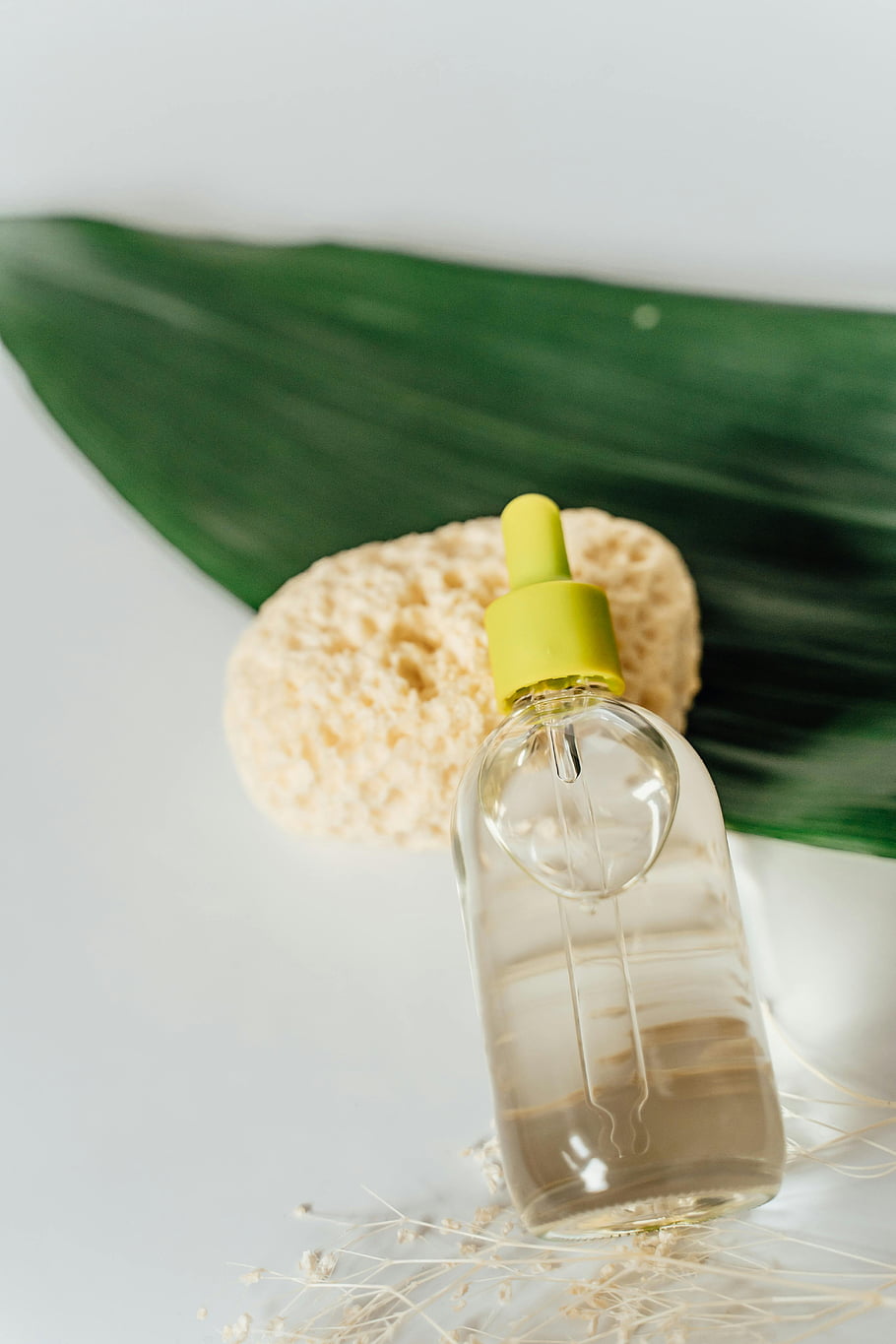
Oil Facial Cleanser: A Specialized First-Cleansing Option
An Oil Facial Cleanser provides a distinctive approach to cleansing based on an oil-oriented texture. It is often considered by consumers whose routines include makeup, sunscreen or other products that can be more challenging to remove with a single conventional cleansing step.
Oil cleansing can occupy an important position in a double-cleansing routine. In this structure, an oil-based product is used first, followed by another cleanser according to the routine and product instructions.
Not every skincare routine requires an oil cleanser. The practical value depends on what products are being worn and how easily they can be removed using the existing cleanser.
Texture is also an important purchasing factor. Some oil cleansers are extremely fluid, while others are thicker or closer to a balm-like consistency. The packaging should be checked carefully, especially when the product will be stored in a travel bag.
When used for a clearly defined purpose, an oil cleanser can complement rather than replace a primary facial cleanser.

Micellar Water: Convenient and Lightweight
Micellar Water is recognized by its highly fluid, water-like texture and convenient application style. It is commonly associated with makeup and surface-residue removal.
Its lightweight format can make it particularly attractive to consumers who want a fast and convenient product. A cotton pad is commonly used with this type of product, although the exact method should always follow the manufacturer's directions.
Micellar water can also be useful when portability is important. A compact bottle can occupy relatively little space compared with a larger collection of cleansing products.
The product can be used as part of a broader routine or as a convenient cleansing option depending on the product instructions and the consumer's needs.
When comparing micellar water products, review the formula, bottle size, intended use and directions. This is especially important when choosing a product for makeup removal or frequent travel.
Matching Cleanser Format With Skin Characteristics
Skin characteristics can influence cleanser preferences, but they should not be treated as rigid categories. Personal experience, formulation, climate, lifestyle and routine structure can all affect which product feels most suitable.
Oil-Prone Characteristics
Consumers who frequently notice surface oil may prefer lightweight textures such as gels or foaming products. The key consideration is not simply the category name but how the complete formula fits the desired cleansing experience.
Dry-Feeling Characteristics
Consumers who frequently experience a tight feeling after cleansing may prefer to investigate creamier or more comfort-oriented formulas. A richer texture can change the sensory experience significantly.
Combination Characteristics
Combination characteristics often encourage shoppers to look for balance rather than an extremely aggressive cleansing approach. A versatile cleanser can be more practical than maintaining separate products for different areas of the face.
Sensitive-Feeling Characteristics
Consumers with sensitivity concerns often pay closer attention to fragrance and ingredient complexity. Reading the full product information is particularly important rather than relying on marketing claims.
Balanced Characteristics
Consumers with relatively balanced skin characteristics have a broad selection of cleanser formats. Texture, packaging, convenience and personal preference can therefore become major purchasing factors.
Smart comparison:
Skin characteristics can guide the initial search, but the final choice should also consider formulation, texture, routine requirements and personal comfort.
How to Read Cleanser Formulations
Ingredient lists can look complicated, especially when comparing several skincare products at the same time. A practical strategy is to focus on ingredient roles instead of attempting to memorize every individual cosmetic component.
Cleansing Components
Cleansing components are responsible for helping remove surface residue, oils and other materials. Different cleanser formats can use different combinations, which contributes to variations in texture and cleansing experience.
Humectants
Humectants are commonly used in skincare formulations because they contribute to the overall feel and moisture-related characteristics of a product. Their presence can be useful when comparing different formulations.
Conditioning Ingredients
Some cleansers contain ingredients intended to influence the after-feel of the skin. These can be particularly relevant when comparing richer formulas with lightweight cleansing products.
Botanical Ingredients
Plant-derived ingredients are widely used in modern beauty products. However, shoppers should evaluate the entire formula rather than assuming that one botanical ingredient determines the performance of the complete product.
Fragrance
Fragrance is primarily a personal preference and formulation consideration. Consumers specifically seeking fragrance-free products should look for clear product labeling and review the ingredient information.
Specialized Ingredients
Some cleansers contain ingredients associated with exfoliating or other targeted cosmetic functions. These products should be considered in relation to the rest of the routine to avoid unnecessary duplication.
The Commercial Importance of Texture
Texture is more than a cosmetic detail. It influences how a product is dispensed, applied, spread, rinsed and experienced. For that reason, texture can have a major impact on whether a consumer enjoys using a product consistently.
Foam
Light, airy and familiar. Suitable for shoppers who enjoy a lather-based cleansing experience.
Gel
Smooth and lightweight, with a simple application style suitable for streamlined routines.
Cream
Richer and softer, creating a more substantial cleansing experience.
Oil
Smooth and specialized, particularly useful when makeup or sunscreen removal is a major consideration.
Micellar Liquid
Water-like and convenient, especially for lightweight cleansing or cosmetic removal.
Hybrid Textures
Some products combine characteristics from multiple formats to create a distinctive cleansing experience.
Consumers should choose the texture they are most likely to use consistently. A theoretically suitable cleanser provides little practical value if the application experience makes the routine inconvenient.
Designing a Morning Cleansing Routine
A morning routine should be organized around simplicity and consistency. The cleanser is normally the first practical skincare product used, making ease of application particularly important.
A facial cleanser, foaming cleanser or gel cleanser can serve as the central washing step depending on personal preference and the product's instructions.
Consumers who prefer minimal routines may benefit from keeping the cleansing stage straightforward. A pump dispenser, easy-rinse texture and clearly written directions can make the process more efficient.
The morning routine should also consider what will be applied afterward. If multiple skincare products follow cleansing, there is value in choosing a cleanser that fits comfortably into the entire sequence.
Step 1: Select the cleanser that matches the morning routine and follow the product directions.
Step 2: Apply the product using the recommended amount and technique.
Step 3: Complete the remainder of the daytime skincare routine according to personal needs.
Designing an Evening Cleansing Routine
Evening cleansing can require a more deliberate approach because the face may have been exposed to sunscreen, cosmetics, sweat and environmental residue during the day.
A simple routine may use one appropriate facial cleanser. A more complex cosmetic routine may benefit from a separate first-stage removal product before the primary cleanser.
The key is to match the cleansing routine to what actually needs to be removed. Adding unnecessary steps does not automatically create a better routine.
Assess the day: Consider whether makeup, sunscreen or other long-wearing products were used.
Select the first step: Consider Micellar Water or an Oil Facial Cleanser when additional removal is required.
Use the primary cleanser: Choose a suitable Facial Cleanser, Gel Facial Cleanser, Foaming Facial Cleanser or Cream Facial Cleanser.
Continue the routine: Keep subsequent skincare products organized around clear functions.
Understanding Double Cleansing
Double cleansing refers to a two-stage cleansing routine. A common structure begins with an oil-based product and follows with a water-based facial cleanser.
The method can be attractive to consumers who regularly use makeup, sunscreen or other products that require more deliberate removal.
The first stage can help loosen oil-soluble residue, while the second cleanser provides another cleansing stage. The exact routine depends on the products being used and their instructions.
Double cleansing should not be considered mandatory for every consumer. A simple routine may be perfectly adequate when a single appropriate cleanser effectively meets the user's requirements.
Professional routine principle:
Every additional cleansing step should have a defined purpose. A streamlined routine is often easier to maintain than a routine containing several overlapping products.
Makeup and Sunscreen Removal
Makeup and sunscreen can influence the type of cleansing routine a consumer prefers. Long-wearing cosmetic products may require a more deliberate removal strategy than a routine without makeup.
Micellar Water can provide a convenient option for lightweight cosmetic removal. Its liquid format makes it easy to apply with a cotton pad when following the manufacturer's directions.
Oil Facial Cleanser products can also be considered when an oil-based first cleansing step fits the routine. The texture provides a different method of approaching product removal.
Consumers should avoid relying on excessive rubbing as a substitute for selecting an appropriate cleanser. A better strategy is to choose a product designed for the type of residue that needs to be removed.
The amount and type of makeup being used should therefore influence the purchasing decision. Someone who rarely wears makeup may have completely different cleansing requirements from someone who regularly uses multiple long-wearing cosmetic products.
Climate, Season and Environment
Climate can influence cleanser preferences because temperature, humidity and indoor conditions can change the way textures feel.
During warmer periods, some consumers may prefer lightweight gel or foaming textures because of their fresh application experience.
During colder or drier periods, a creamier cleanser may feel more comfortable to some consumers. This does not mean every person needs a separate seasonal cleanser, but it does demonstrate why texture preferences can change.
Travel between different climates can also influence product selection. A consumer moving from a dry environment to a humid destination may prefer different textures based on personal comfort.
The most practical approach is observation. Instead of changing products automatically with every season, consumers can evaluate how their existing cleanser feels and determine whether a different texture would provide a more convenient experience.
Lifestyle-Based Product Selection
Lifestyle is an important but often overlooked part of cleanser selection. A product can be well formulated and still be inconvenient if its packaging, size or application method does not fit the user's daily routine.
Busy Schedules
Consumers with limited time may appreciate pump packaging, simple textures and straightforward application. The easier a product is to integrate into the routine, the more practical it becomes.
Active Lifestyles
People who exercise regularly may prefer compact products that can be stored in a gym bag. Lightweight gel or micellar formats can be considered according to the cleansing requirement.
Frequent Makeup Users
Consumers who regularly wear makeup may want a dedicated removal product in addition to their primary cleanser.
Minimalist Routines
Minimalist shoppers can focus on one dependable primary cleanser and add a specialized removal product only when it provides a distinct function.
Home-Based Routines
Consumers who primarily use products at home can prioritize package size and dispensing convenience instead of portability.
Travel and Portable Skincare
Travel introduces a different set of priorities. Package size, security, weight and ease of use become more important when products need to fit inside limited luggage space.
Compact tubes can be convenient for facial cleansers, while smaller bottles can make liquid products easier to organize.
Micellar Water can be attractive for travelers who want a lightweight product for makeup removal or convenient cleansing. Its fluid format can fit naturally into a compact travel routine.
Oil cleansers require additional attention to packaging because liquid leakage can create problems in luggage. Secure closures and protective storage can help make transportation easier.
Travelers should also avoid taking multiple products that perform nearly identical functions. A compact routine with clearly defined roles is usually easier to organize.
Travel strategy:
Select products based on function first, then evaluate size, packaging, leakage risk, portability and ease of application.
Common Product Selection Mistakes
Buying Based Only on Packaging
Professional skincare shopping should go beyond attractive packaging. Design can communicate brand identity, but it does not provide enough information to determine whether the product fits a particular routine.
Assuming More Foam Means Better Performance
Foam is primarily a texture characteristic. The amount of lather should not be used as the only measure when comparing cleansing products.
Buying Too Many Similar Products
A large collection of facial cleansers can create unnecessary expense and confusion when several products serve almost identical functions.
Ignoring Texture
Texture has a direct effect on user experience. Choosing a product with a texture that does not suit personal preference can make the routine harder to maintain.
Ignoring Package Size
Price without quantity can be misleading. Always compare the amount supplied when evaluating different products.
Following Trends Without a Clear Purpose
A popular cleanser category may be interesting, but popularity alone does not establish whether the product is necessary for an individual routine.
Ignoring the Existing Routine
New products should be evaluated in the context of the products already being used. This prevents unnecessary duplication.
Overcomplicating the Routine
A complicated routine can become difficult to maintain. A better strategy is to assign every product a clear purpose.
Building a Streamlined Cleansing Collection
A professional skincare collection should be organized around functions rather than quantity. The goal is to create a collection in which every product has a clear role.
A general Facial Cleanser can serve as the central daily cleansing product.
Consumers who enjoy a lathering experience can explore the Foaming Facial Cleanser category.
Consumers who prefer a lightweight consistency can compare Gel Facial Cleanser products.
Those who prefer a richer cleansing texture can investigate Cream Facial Cleanser products.
Consumers who use makeup or sunscreen regularly may consider an Oil Facial Cleanser as a specialized first cleansing step.
Those who want a lightweight cosmetic-removal option can explore Micellar Water.
All of these options can be explored within the broader Beauty & Health category.
Build a system, not a collection of duplicates.
The strongest cleansing setup is one in which every product solves a specific problem. One primary cleanser may be enough for a simple routine, while a second product can be added when makeup, sunscreen or travel creates a distinct requirement.
Frequently Asked Questions
What is a Facial Cleanser?
A Facial Cleanser is a cosmetic cleansing product designed for facial use. The category includes multiple textures, formulas and packaging styles.
What makes a Foaming Facial Cleanser different?
A Foaming Facial Cleanser is designed around a foam or lather-based application experience, giving the user a familiar washing texture.
What is a Gel Facial Cleanser?
A Gel Facial Cleanser uses a gel-style texture and is commonly selected by consumers who prefer a smooth, lightweight cleansing experience.
What is a Cream Facial Cleanser?
A Cream Facial Cleanser has a richer, cream or lotion-like texture and can appeal to consumers who prefer a softer and more substantial application experience.
What is an Oil Facial Cleanser?
An Oil Facial Cleanser uses an oil-oriented texture and is commonly considered as a first cleansing step in routines involving makeup or sunscreen.
What is Micellar Water?
Micellar Water is a lightweight liquid cleansing product commonly used for surface residue and makeup removal.
Does everyone need more than one cleanser?
No. A simple routine may require only one suitable cleanser. Additional products should have a clear and useful function.
Is foam a sign of cleanser quality?
Not by itself. Foam is a texture characteristic. The complete formulation, intended use and user experience should also be considered.
Can cleanser texture affect purchasing decisions?
Yes. Texture influences application, comfort and convenience, making it an important practical consideration.
When might an Oil Facial Cleanser be useful?
It can be considered when a routine includes makeup, sunscreen or other products for which an oil-based first cleansing stage is useful.
Can Micellar Water be useful for travel?
Its lightweight liquid format can be convenient for travel, particularly for consumers who want a compact makeup-removal or cleansing option.
How should I compare cleanser prices?
Compare the price with the amount of product supplied. Package size, dispensing method and usage frequency can also influence practical value.
Should I choose a cleanser based only on skin type?
Skin characteristics can help narrow the search, but texture, formulation, routine requirements, climate and personal preference should also be considered.
Is a gel cleanser suitable for a simple routine?
A gel cleanser can be a practical option for a simple routine when its formulation and texture match the consumer's preferences and cleansing requirements.
Can climate influence cleanser preferences?
Yes. Temperature, humidity and environmental conditions can influence how different textures feel and which formats consumers prefer.
What should I look for in online product descriptions?
Look for intended use, texture, ingredient information, package size, directions, dispensing method and any specific product characteristics.
How can I avoid buying unnecessary skincare products?
Give every product a defined role and avoid adding products that duplicate functions already covered by the existing routine.
How many cleansing steps are practical?
The appropriate number depends on the routine. One cleanser may be sufficient, while a two-stage approach can be considered when additional makeup or sunscreen removal is needed.
SEO Keywords
Primary Keywords:
Beauty & Health, Facial Cleanser, Foaming Facial Cleanser, Gel Facial Cleanser, Cream Facial Cleanser, Oil Facial Cleanser, Micellar Water.
Secondary Keywords:
facial cleansing, face cleanser, face wash, skincare routine, daily facial cleanser, cleansing products, beauty products, skincare products, facial care, cosmetic cleansing, makeup removal, sunscreen removal, cleansing oil, cleansing gel, cleansing foam, cream cleanser, micellar cleansing water, beauty routine, personal care, skincare shopping, beauty essentials.
Long-Tail Keywords:
how to choose a facial cleanser, professional facial cleanser guide, facial cleanser buying guide, best cleanser format for skincare routine, foaming facial cleanser guide, gel facial cleanser guide, cream facial cleanser guide, oil facial cleanser guide, micellar water guide, facial cleansing routine, professional skincare shopping guide, cleanser comparison guide, how to build a simple cleansing routine.
Meta Information
Meta Title:
Professional Facial Cleansing Strategies: Complete Cleanser Guide
Meta Description:
Discover how to compare Facial Cleanser, Foaming Facial Cleanser, Gel Facial Cleanser, Cream Facial Cleanser, Oil Facial Cleanser and Micellar Water for a smarter skincare routine.
Suggested SEO URL:
professional-facial-cleansing-strategies
Suggested Category:
Beauty & Health

Comments
Post a Comment