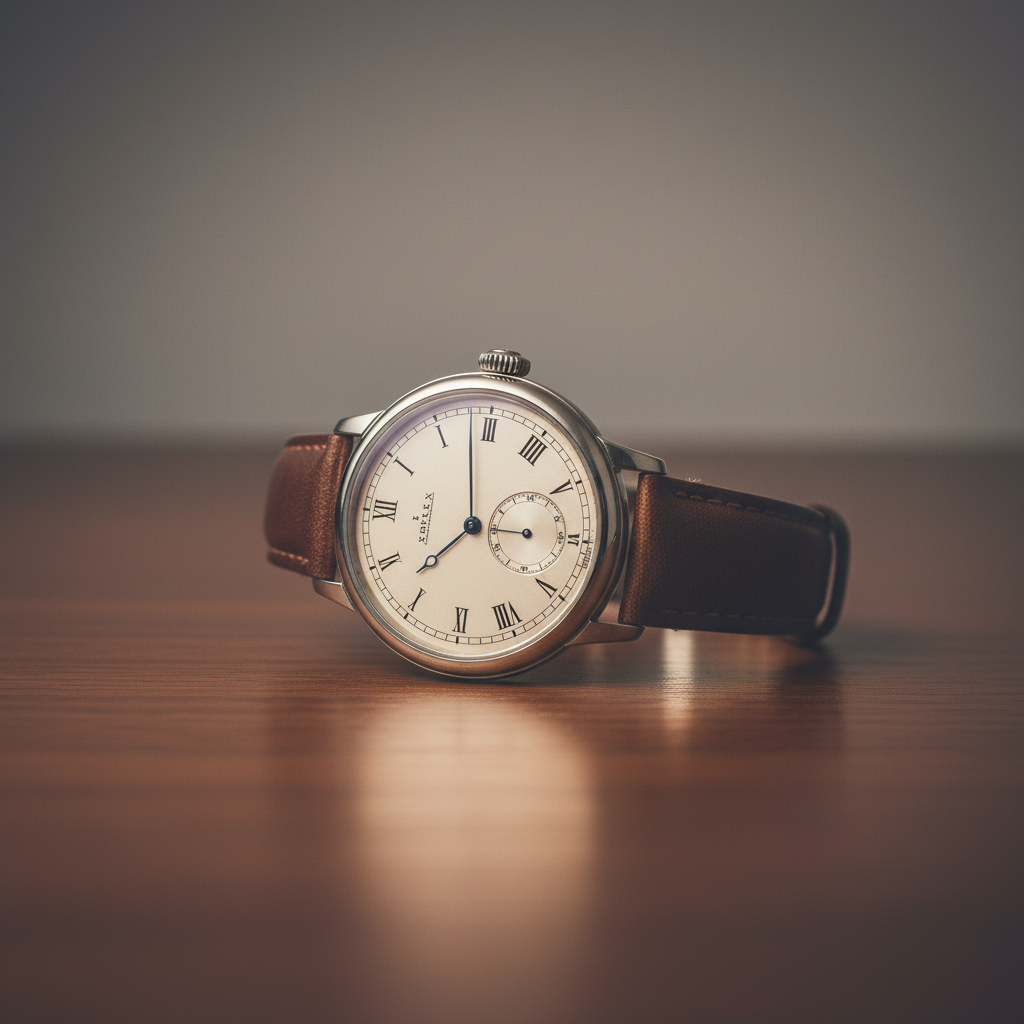
Understanding What Makes an Analog Watch Truly Appealing
An analog watch is one of those accessories that can combine practical information with visual character in a remarkably compact form. Unlike accessories that exist primarily for decoration, a watch performs a clear function while simultaneously communicating preferences through proportion, color, material, and finishing. This combination explains why analog watches continue to occupy an important place in personal style, even as digital devices have made timekeeping almost universally accessible.
Choosing the right watch, however, is not simply a matter of finding the most attractive dial. A professional evaluation considers the relationship between the case, dial, hands, crystal, crown, movement, strap, and the way the entire object fits into a person's routine. A watch that looks impressive in a photograph may not necessarily provide the best comfort, readability, or versatility in daily use.
The strongest designs tend to create a sense of visual balance. The case should support the dial without overwhelming it. The hands should be long enough to communicate time clearly. The markers should have an appropriate relationship with the available dial space. The strap should feel like a natural continuation of the case rather than an unrelated component.
There is also a difference between selecting a watch for a specific occasion and selecting one for long-term use. A formal timepiece may prioritize thinness and elegance, while an everyday model may place greater emphasis on durability and comfort. A minimalist watch may be chosen for its ability to disappear naturally into different outfits, whereas a distinctive design may intentionally become the central accessory.
Understanding these differences gives shoppers a more reliable framework for making decisions. Instead of asking whether a particular watch is simply attractive, it becomes possible to ask whether its proportions, construction, movement, materials, and styling make sense for the way it will actually be worn.
Professional perspective: The most useful watch is rarely defined by one specification. Overall proportion, comfort, readability, construction, and compatibility with the owner's lifestyle should be considered together.
Start With a Classic Foundation
A traditional analog design can provide a strong foundation for understanding case proportions, dial balance, classic materials, and timeless styling.
Explore Classic Analog Watches
Case Proportion: The Foundation of the Entire Design
The case is the structural foundation of an analog watch. It frames the dial, houses the movement, supports the crystal, connects to the strap, and determines much of the watch's visual presence. Because of this, case proportions deserve careful attention before any decision is made about color or decorative details.
Diameter is the measurement most commonly discussed, but it should never be considered in isolation. A watch with a wide bezel can appear smaller because less dial is visible, while a watch with a narrow bezel can appear larger because the dial occupies more of the case. Lug length can also change the perceived scale considerably.
Thickness has an equally important role. A thin case can create a refined silhouette and can be particularly convenient under shirt cuffs. A thicker case may provide stronger wrist presence and can sometimes accommodate more complicated movements or additional construction features.
The shape of the lugs influences how naturally the watch follows the wrist. Curved lugs may create a compact appearance, while long straight lugs can extend the visual footprint. This is one reason why two watches with identical diameter measurements may look completely different when worn.
Case shape also establishes personality. Round cases remain highly versatile, while rectangular, square, cushion, and tonneau forms can create a more distinctive appearance. The right shape depends on whether the watch is intended to blend into a wardrobe or provide a recognizable design statement.
| Case Element |
What to Examine |
Effect on the Watch |
| Diameter |
Overall width across the case |
Influences wrist presence and visual scale |
| Thickness |
Side profile and case height |
Affects comfort and cuff compatibility |
| Lug Length |
Distance from one lug tip to the other |
Influences how broadly the watch sits on the wrist |
| Bezel |
Width, shape, and finishing |
Changes the apparent size of the dial |
| Case Shape |
Round, square, rectangular, cushion, or other |
Defines much of the watch's personality |
| Crown |
Size, position, and design |
Influences operation and visual balance |
Explore Balanced Case Designs
Classic watch designs provide useful examples of how case dimensions, dial proportions, and traditional silhouettes can work together.
View Classic Analog Designs
Dial Architecture and the Importance of Visual Hierarchy
The dial is the primary information surface of an analog watch, so its organization has a direct effect on both readability and appearance. A professional dial design creates a hierarchy in which the most important information is immediately recognizable and secondary details remain visually controlled.
Hour markers can take many forms. Applied indices add physical depth and can interact with light as the wrist moves. Printed markers tend to produce a flatter, more graphic appearance. Roman numerals can create a traditional character, while Arabic numerals often emphasize clarity and practicality.
The hands must also be considered carefully. Hour and minute hands should be distinguishable from each other, while the seconds hand should provide an additional visual layer without becoming distracting. Their length should correspond appropriately with the marker track so that the dial feels properly proportioned.
Date windows are another design decision. A date display can add considerable everyday convenience, but it also introduces an additional visual element. The best implementations integrate the window into the dial instead of making it appear like an afterthought.
Dial texture can provide sophistication without requiring additional complications. Matte surfaces, sunray patterns, brushed finishes, subtle gradients, and fine textures can create depth that becomes visible as the watch moves through different lighting conditions.
Good dial architecture is therefore about restraint as much as decoration. Every element should have a reason to occupy its position.
Readable Markers
Markers should remain clear enough to identify the hours quickly while maintaining a visual relationship with the overall dial design.
Balanced Hands
Hand length, shape, thickness, and contrast should support fast reading without visually overwhelming the dial.
Controlled Texture
Subtle dial textures can add depth and character without making a watch appear unnecessarily complicated.
Useful Information
Date windows and other displays should contribute genuine practical value while remaining visually integrated.
Discover Clean Dial Architecture
Minimalist designs are particularly useful for studying how restrained markers, hands, and dial surfaces can produce a coherent visual composition.
Explore Minimalist Analog Watches
Choosing the Right Movement for Your Lifestyle
The movement is the mechanism responsible for operating the watch, and it is one of the most important technical decisions in the buying process. Quartz, automatic, and manually wound mechanical movements each create a different ownership experience.
Quartz movements are often appreciated for convenience. They rely on electronic regulation and generally require less interaction from the wearer. For someone who wants a dependable watch that can be placed aside and picked up again without a winding routine, this operating model can be highly practical.
Automatic mechanical movements offer a different experience. They use mechanical energy stored in a mainspring and are wound through movement of the watch. For enthusiasts, the appeal extends beyond timekeeping to the appreciation of mechanical engineering and traditional watchmaking.
Manual mechanical watches introduce an additional ritual. The wearer periodically winds the movement, creating a direct interaction with the timepiece. Some owners appreciate this routine because it turns a simple daily action into part of the ownership experience.
Movement thickness can also affect case design. Certain mechanical movements require more space than thin quartz mechanisms, and this can influence the final proportions of the watch.
Accuracy, service requirements, power reserve, operating habits, and personal interest should all be considered. There is no universal movement type that makes sense for every wearer.
A useful approach is to select the movement according to the desired ownership experience rather than choosing it solely because one technology sounds more sophisticated.
Find a Watch for Daily Rhythm
An everyday watch should fit naturally into regular routines, providing practical operation while remaining comfortable and easy to coordinate.
Explore Casual Everyday Watches
Materials and Their Effect on Appearance and Performance
Materials influence the way a watch looks, feels, ages, and responds to everyday use. Stainless steel remains one of the most versatile case materials because it can support polished, brushed, or mixed finishes and can transition between formal and casual settings.
Other metals can create different visual effects. Warm-toned finishes can introduce an elegant character, while lighter materials can produce a more contemporary appearance. Material selection should always be considered together with the intended style of the watch.
The crystal is another important component. It protects the dial and influences optical clarity, reflections, scratch resistance, and the overall profile of the watch. Different crystal materials have different characteristics, so the choice should reflect the expected environment.
Strap materials create another layer of differentiation. Leather tends to bring warmth and traditional character. Metal bracelets can create structure and versatility. Fabric straps may produce a more relaxed appearance, while other specialized materials can prioritize particular practical requirements.
Material quality should be evaluated through both specifications and physical execution. Edges should feel controlled, surfaces should transition naturally, and components should appear coherent rather than assembled from unrelated visual elements.
Explore Refined Material Combinations
Dress-oriented watches demonstrate how case materials, dial colors, crystals, and leather straps can combine into a polished visual identity.
Browse Luxury Dress Watches
Crystal Selection: A Small Component With a Major Role
The crystal may appear to be a minor component, but it affects both protection and visual presentation. Because it sits directly above the dial, its optical qualities can influence how markers, hands, and textures are perceived.
Sapphire crystal is widely associated with strong scratch resistance and is often selected for watches intended for long-term everyday use. Mineral glass offers a different balance of properties, while acrylic crystals are commonly associated with certain traditional or vintage-inspired designs.
Crystal shape matters as well. A flat crystal can produce a clean contemporary profile, while a domed crystal may introduce a softer optical effect and stronger vintage character. The edge profile can also change the way light travels across the dial.
Anti-reflective treatments can improve readability under bright conditions by reducing reflections. However, coatings can have their own maintenance considerations, so the complete construction should be evaluated.
The right crystal is ultimately determined by the watch's purpose. A daily-use watch may benefit from strong scratch resistance, while a design-focused piece may prioritize a particular visual effect.
Compare Practical Watch Construction
Examining a range of watch designs makes it easier to understand how protective components contribute to both function and appearance.
Explore Watch Brands
Leather Straps and the Character They Add
Leather straps have remained closely associated with analog watches because they combine comfort, warmth, and visual sophistication. The character of a leather strap depends on texture, thickness, stitching, color, lining, and finishing.
Brown leather can produce a traditional and warm appearance. Dark brown often works particularly well with classic cases, while lighter brown can create a more relaxed effect. Black leather tends to produce stronger contrast and can support formal styling.
Stitching can either blend into the strap or become a visible design feature. Minimal stitching tends to support a refined appearance, while contrasting stitching can make a watch feel more casual.
Leather also changes over time. Depending on the type and finish, regular wear can produce subtle variations in color and texture. This can make the watch feel increasingly personal.
However, leather should be treated according to its characteristics. Excessive exposure to moisture, heat, or unsuitable cleaning products can affect its appearance and longevity.
Strap width should match the case. A strap that is too narrow can make a large case appear unbalanced, while an excessively broad strap can overwhelm a smaller case.
Explore Classic Leather Styling
Traditional analog watches provide a useful reference for understanding how leather straps can influence proportion, warmth, and overall formality.
Explore Classic Dress Watches
Metal Bracelets and Structural Versatility
Metal bracelets create a different relationship between watch and wrist. Their structured appearance can make a timepiece feel more substantial, while their neutral material can work across a surprisingly broad range of clothing.
Bracelet construction should be evaluated beyond appearance. Link articulation, edge finishing, clasp design, micro-adjustment, and overall flexibility can significantly affect comfort.
Bracelet sizing is especially important. A watch that is technically well designed can become uncomfortable if the bracelet is either excessively loose or too tight. Professional adjustment can make a significant difference.
Different bracelet patterns also communicate different styles. Fine links may feel more refined, while broader links can create a stronger visual presence. Integrated bracelets can make the watch appear like one continuous object, while traditional lug-mounted bracelets provide greater flexibility.
Metal bracelets can also be useful when the owner wants one watch to move between casual and professional environments. Their appearance can be softened through clothing or made more formal through tailoring.
Link Flexibility
Flexible links can allow the bracelet to follow wrist movement more naturally.
Secure Clasp
A dependable clasp contributes to both comfort and confidence during regular wear.
Fine Adjustment
Micro-adjustment options can help achieve a more precise fit.
Balanced Width
The bracelet should visually correspond with the case and lug dimensions.
Explore Versatile Bracelet Watches
Browse a broader selection to compare bracelet construction, case proportions, and styling across different watch categories.
Browse Watch Collections
Minimalism: Why Less Can Create More Impact
Minimalist watch design is frequently misunderstood as simply removing details. In reality, successful minimalism requires careful control of spacing, proportion, typography, contrast, and material relationships.
When a dial contains only a few elements, each element becomes more visible. Marker alignment, hand length, logo placement, and even the size of a date window can have a significant effect on the final appearance.
A minimalist watch can be particularly versatile because it avoids competing strongly with clothing. This makes it useful for wardrobes that include different colors, textures, and levels of formality.
Minimalism also tends to emphasize case finishing. With fewer decorative elements on the dial, attention naturally moves toward the shape of the case and the quality of its surfaces.
However, minimalist does not necessarily mean plain. A subtle dial texture, unusual seconds hand, curved crystal, or carefully shaped crown can provide character while maintaining visual restraint.
The best minimalist designs therefore demonstrate discipline. Nothing feels missing, yet nothing feels unnecessary.
Explore Refined Minimalism
Minimalist analog watches can provide an excellent foundation for wardrobes built around clean lines, restrained colors, and understated accessories.
View Minimalist Analog Watches
Dress Watches and the Language of Formal Elegance
A dress watch is generally designed to complement formal clothing rather than compete with it. This principle influences almost every aspect of the design, from case thickness to dial complexity.
A relatively thin profile is often useful because the watch can sit comfortably beneath a shirt cuff. A clean dial can also support formal styling by avoiding visual clutter.
Leather straps are common in dress-oriented designs because their texture and flexibility can reinforce an elegant appearance. Dark colors tend to create a more formal impression, while warmer shades can introduce a relaxed interpretation of classic style.
Case finishing is particularly important. Polished surfaces can create a refined appearance, while carefully placed brushed surfaces may provide contrast and prevent the watch from appearing overly reflective.
A dress watch can still contain personality. Subtle numerals, elegant hands, a distinctive crown, or an unusual dial texture can create individuality without breaking the overall formal character.
The strongest dress designs tend to communicate confidence through proportion rather than excessive decoration.
Explore Classic Formal Proportions
Traditional dress-watch designs demonstrate how thin profiles, elegant dials, and carefully selected straps can create a polished appearance.
View Classic Dress Watches
Luxury Watch Design: Looking Beyond the Surface
Luxury in watchmaking can be expressed through many elements, and it should not be reduced to the presence of precious materials or complicated mechanisms. Craftsmanship can also be visible in the precision of proportions, quality of finishing, consistency of details, and tactile experience.
When examining a refined watch, look closely at the transitions between polished and brushed surfaces. Edges should appear deliberate, while bevels and contours should support the overall case architecture.
Dial execution deserves similar attention. Applied markers should appear properly aligned. Printing should be clean and consistent. Hands should fit the visual scale of the dial. Decorative textures should remain controlled.
The strap and clasp are also part of the luxury experience. A beautifully finished case can feel less coherent if paired with an unsuitable or poorly constructed strap.
Movement presentation may become important for enthusiasts, especially when a transparent case back is used. The appearance and finishing of visible mechanical components can contribute to the sense of craftsmanship.
Ultimately, refined watch design is about consistency. Every visible component should appear to belong to the same design philosophy.
Discover Luxury-Focused Designs
Luxury dress watches can provide useful examples of how materials, finishing, proportion, and dial architecture combine to create a sophisticated result.
Explore Luxury Dress Watches
Choosing an Everyday Watch for Real Life
An everyday watch should be evaluated according to what happens during an ordinary week rather than an idealized lifestyle. Consider commuting, office hours, errands, travel, social occasions, and the clothing normally worn.
Comfort is often more important for an everyday watch than a dramatic specification. If the watch is too heavy, too thick, or difficult to adjust, it may spend more time in a drawer than on the wrist.
Readability is another essential quality. A dial that looks beautiful under controlled photography should still be easy to read in ordinary lighting conditions.
Durability should also match the actual environment. Someone who primarily works indoors may have different needs from someone who regularly works outdoors or travels frequently.
Neutral colors can increase versatility. A silver case, white or dark dial, and adaptable strap can work across multiple outfits. However, a subtle accent color can also make an everyday watch more personal without reducing its usefulness.
The best everyday watch becomes easy to reach for because it does not demand complicated decisions every morning.
Explore Everyday Versatility
A practical everyday collection can help you compare comfortable proportions, useful materials, and adaptable designs intended for repeated wear.
Explore Casual Everyday Watches
Matching the Watch to Your Wardrobe
A watch should ideally complement the wardrobe rather than forcing the wardrobe to change around it. Before selecting a design, examine the dominant colors, fabrics, footwear, and level of formality already present in daily clothing.
Neutral cases are often the easiest starting point. Silver and steel tones can pair with cool and warm colors, while darker cases can create a stronger visual statement.
Leather straps can coordinate naturally with other leather accessories, although exact matching is not required. The goal is harmony rather than uniformity.
A blue dial can work effectively with navy, gray, white, brown, and denim. Green can introduce a more distinctive accent, particularly when used in a darker shade. Black and white dials provide a broad foundation for experimentation.
The watch's scale should also correspond to clothing. A large, bold watch may feel natural with relaxed clothing but visually heavy with a delicate formal outfit. Conversely, a very thin dress watch may appear understated when paired with rugged casual clothing.
Thinking about the complete outfit makes watch selection much more systematic.
Build a Flexible Watch Wardrobe
Exploring several categories can help identify which combinations of case, dial, and strap work most naturally with an existing wardrobe.
Explore Watch Brands
Color Theory for Analog Watch Selection
Color can completely alter the personality of an analog watch. The same case can feel traditional, contemporary, understated, or expressive depending on the dial and strap combination.
White and silver dials often emphasize clarity. They can provide a crisp appearance and tend to work well with both formal and casual wardrobes.
Black dials can create strong contrast and visual depth. They may appear particularly sophisticated when paired with polished steel or warm metal tones.
Blue is versatile because it introduces color while remaining relatively easy to coordinate. The effect changes depending on whether the blue is matte, glossy, dark, or highly saturated.
Green can add personality without becoming excessively bright when deeper shades are selected. It can be particularly effective as an accent piece in a collection.
Warm metallic finishes can create a classic or luxurious character. The strap color can either reinforce that warmth or deliberately create contrast.
When choosing a watch for frequent use, consider whether the color works with the majority of the wardrobe rather than only one favorite outfit.
Explore Refined Color Combinations
Elegant analog collections can demonstrate how different dial and case combinations change the visual personality of a watch.
Browse Elegant Watch Designs
Reading Technical Specifications With Confidence
Technical specifications can appear intimidating, but the most important categories are relatively straightforward once they are organized into a logical framework.
Begin with the case dimensions. Diameter provides the width, thickness describes the side profile, and lug-to-lug measurement provides an indication of how broadly the watch extends across the wrist.
Next, identify the movement. Determine whether the watch uses quartz, automatic, or manual winding, and consider whether the operating requirements match your routine.
Then examine the crystal, case material, strap, bracelet, clasp, and water-resistance rating. Each of these specifications tells part of the ownership story.
Complications should be evaluated according to usefulness. A date display may be genuinely practical, while additional functions may be unnecessary if the goal is simplicity.
Do not allow one impressive specification to dominate the entire decision. A watch with excellent movement technology can still be uncomfortable, while a visually beautiful design may not suit the intended use.
Specifications become meaningful when they are interpreted as a complete system.
Compare Watch Specifications
A broad selection of watch styles can make technical differences easier to understand and compare in the context of actual design.
Browse Watch Collections
Comfort and Wrist Fit
Comfort is one of the most underestimated aspects of watch selection. A watch can have beautiful finishing and excellent specifications but still become unpleasant if the case or strap does not suit the wrist.
Case shape affects how pressure is distributed. Curved cases can follow the wrist naturally, while flatter cases may feel better on some wrist shapes.
Strap flexibility matters as well. Leather may soften over time, while metal bracelets rely on correct link sizing and articulation.
The clasp should sit comfortably without creating a pressure point. If a watch has micro-adjustment options, these can be useful for achieving a more precise fit.
Weight is highly subjective. Some wearers appreciate the substantial feeling of a heavier case, while others prefer a lightweight watch that becomes almost unnoticeable.
The best practical approach is to consider the watch as something that will be worn for hours rather than viewed for minutes. Long-term comfort is part of the overall value of the design.
Explore Comfortable Everyday Designs
Everyday collections can provide useful examples of watches designed around repeat wear, adaptable proportions, and practical comfort.
View Everyday Watch Styles
Water Resistance and Practical Expectations
Water resistance is an important specification, but it should be interpreted according to the manufacturer's intended-use guidance. A numerical rating does not automatically mean that a watch is suitable for every water-related activity.
For everyday use, resistance can provide protection against incidental exposure. More demanding activities require a watch specifically designed and rated for those conditions.
Seals and gaskets can deteriorate with age, so water resistance should not be assumed to remain unchanged indefinitely without appropriate maintenance.
Crown construction can also influence protection. Some watches use additional sealing systems, while very thin formal watches may prioritize slimness and elegant proportions.
Matching water resistance to actual use is more sensible than choosing specifications based purely on numbers. The right watch should support the owner's routine rather than provide capabilities that are never needed.
Compare Practical Watch Categories
Different everyday and classic designs can help illustrate how practical considerations influence case construction and overall styling.
Explore Classic Analog Watches
How Finishing Changes the Perception of Quality
Finishing is one of the details that becomes increasingly important when examining a watch closely. Polished, brushed, matte, textured, and satin surfaces can all influence how light interacts with the object.
Polished surfaces reflect light strongly and can emphasize elegance. Brushed surfaces produce a softer visual effect and can communicate a more technical or understated character.
Combining finishes is often an effective way to create depth. A polished bezel surrounding a brushed case, for example, can produce subtle contrast without adding decorative elements to the dial.
Dial finishing follows the same principle. Matte dials can emphasize legibility, while sunray or glossy surfaces can create movement as the wrist changes position.
Hands and markers can also receive different finishes. Applied markers can add depth, while printed elements may create a flatter graphic appearance.
When assessing quality, consistency is essential. Finishing should appear intentional across the entire watch, with surfaces and edges transitioning naturally.
Explore Finishing and Craftsmanship
Luxury-oriented designs can demonstrate how carefully controlled finishing adds depth and refinement without relying on excessive decoration.
Discover Luxury Watch Styles
Building a Compact and Useful Watch Collection
A practical watch collection does not need dozens of pieces. A smaller collection can be highly effective when each watch has a distinct purpose.
A classic analog watch can serve as the foundation. Its traditional proportions and neutral styling can cover a broad range of situations.
A minimalist watch can offer an alternative when a quieter visual statement is preferred. A dress watch can address formal occasions, while an everyday watch can handle routine wear.
Different dial colors can create additional variety without requiring radically different case shapes. Changing straps can also alter the personality of an existing watch.
Before adding another piece, ask whether it fills a genuine gap. If two watches perform exactly the same role and look almost identical, another purchase may add little practical variety.
A well-planned collection is therefore based on roles rather than quantity. Each watch should have a reason to exist within the broader wardrobe.
Explore Different Watch Roles
Comparing classic, minimalist, dress, everyday, and broader brand collections can help organize a practical watch wardrobe around real occasions.
Explore Watch Brands
Maintenance Habits for Long-Term Ownership
Good maintenance begins with understanding the materials used in the watch. Regular care does not need to be complicated, but it should be consistent.
The case and bracelet can be wiped carefully with appropriate materials to remove oils and dust. Areas around the clasp and between bracelet links may require more detailed cleaning.
Leather straps should be protected from unnecessary moisture and should be allowed to dry naturally when exposure occurs. Appropriate conditioning may be useful depending on the type of leather and manufacturer guidance.
Mechanical movements may require professional servicing according to the manufacturer's recommendations and actual operating condition. There is no single service interval that applies equally to every movement.
Crystal damage should be addressed when necessary. Scratches may affect appearance, while chips or structural damage can have more serious implications depending on the construction.
Storage also matters. When a watch is not being worn, keeping it in a clean and dry environment can help protect the case, crystal, and strap.
Choose Designs Built for Regular Wear
Everyday watches are especially relevant when selecting a timepiece intended to remain part of a regular wardrobe for years.
Explore Everyday Timepieces
Choosing Between Classic and Contemporary Styling
Classic and contemporary watch designs are not mutually exclusive. A watch can use modern construction while maintaining familiar proportions, or it can reinterpret traditional elements through a more current visual language.
Classic designs often rely on recognizable case shapes, traditional markers, leather straps, and restrained colors. Their strength comes from familiarity and adaptability.
Contemporary designs may experiment with larger markers, unusual case finishes, integrated bracelets, bold colors, or unconventional layouts.
The right choice depends on the owner's wardrobe and desired relationship with the accessory. Someone who prefers subtle coordination may gravitate toward classic proportions, while someone seeking a stronger visual accent may appreciate a more expressive approach.
There is also value in combining both. A traditional case can be paired with a modern dial, or a contemporary case can use classic numerals and hands.
Professional watch design often succeeds when it balances recognizable elements with enough individuality to remain memorable.
Compare Classic and Minimal Styling
Classic and minimalist categories provide useful references for studying how small design decisions influence the overall personality of an analog watch.
Explore Minimalist Styles
Making a Professional Purchase Decision
A disciplined purchase process can prevent many common mistakes. Begin by defining the primary role of the watch. Is it intended for daily wear, formal occasions, professional environments, travel, or collection building?
Next, establish the desired visual direction. Decide whether the watch should be classic, minimalist, contemporary, luxurious, casual, or a combination of these characteristics.
Then consider practical specifications such as case size, thickness, movement, crystal, water resistance, strap material, and clasp.
After that, evaluate comfort and wardrobe compatibility. A technically impressive watch that does not work with everyday clothing or feels uncomfortable may not become a useful part of the collection.
Finally, examine construction quality and long-term maintenance considerations. A watch should be evaluated as an object that will be owned, worn, maintained, and potentially kept for many years.
This process creates a more balanced decision than simply choosing the watch with the most recognizable name or the most elaborate specification.
Compare Complete Watch Collections
A broader watch selection makes it easier to compare design language, materials, proportions, and intended use before settling on a particular style.
Browse Watches by Brand
Frequently Asked Questions About Analog Watches
1. What should I consider first when choosing an analog watch?
Start with the intended use. Once you know whether the watch is for everyday wear, professional settings, formal occasions, or collection building, dimensions, materials, movement, and styling become easier to evaluate.
Explore Classic Analog Watches
2. Is a minimalist analog watch suitable for professional clothing?
Yes. A clean dial and restrained case can work particularly well with professional clothing because the watch contributes polish without competing strongly with the rest of the outfit.
View Minimalist Analog Watches
3. What defines a luxury dress watch?
A luxury dress watch generally emphasizes refined proportions, elegant finishing, carefully executed dials, quality materials, and a coherent relationship between case, strap, and movement.
Browse Luxury Dress Watches
4. When is a classic dress watch appropriate?
A classic dress watch can be useful for formal events, professional occasions, dinners, ceremonies, and situations where a refined accessory complements tailored clothing.
Explore Classic Dress Watches
5. What makes an analog watch good for everyday use?
Comfort, readable design, practical dimensions, reliable operation, durable materials, and versatile styling are all useful characteristics for a watch intended to be worn regularly.
Discover Casual Everyday Watches
6. Why compare different watch brands?
Different brands may have different approaches to case design, movements, finishing, materials, straps, and dial architecture. Comparing collections helps reveal those differences.
Explore Watch Brands
7. Does case diameter determine whether a watch fits?
No. Diameter is only one factor. Lug-to-lug length, thickness, case shape, lug curvature, and strap design also affect how a watch sits on the wrist.
View Classic Watch Designs
8. Why are minimalist dials often easy to coordinate?
Minimalist dials generally contain fewer visual elements, which allows them to work with a wider variety of clothing colors and textures without competing for attention.
Explore Minimalist Watch Designs
9. Does luxury always mean complicated?
No. Luxury can be communicated through finishing, materials, craftsmanship, precision, proportions, and tactile quality. A simple design can still demonstrate sophisticated execution.
Explore Refined Luxury Watches
10. Which dial colors are generally versatile?
White, silver, black, and understated blue are often adaptable because they coordinate with many clothing colors. The final choice should reflect the owner's wardrobe and desired visual personality.
View Classic Dial Styles
11. Is leather a practical everyday strap?
Leather can be comfortable and versatile, but it benefits from appropriate care and protection from unnecessary moisture. Its suitability depends on the wearer's routine.
Explore Everyday Watch Styles
12. What are the advantages of a metal bracelet?
A metal bracelet can provide a structured appearance and can transition effectively between casual and professional clothing. Correct sizing is important for comfort.
Browse Watches and Bracelets
13. How important is the movement?
The movement influences accuracy, operating habits, maintenance, thickness, and the overall ownership experience. Choose a movement that matches how you want to interact with the watch.
Explore Analog Watch Options
14. Why are thin cases common in dress watches?
Thin cases can slide more easily beneath shirt cuffs and can create a refined silhouette. The exact ideal thickness depends on the case shape and movement.
Explore Dress Watch Proportions
15. What makes a watch look sophisticated?
Sophistication often comes from consistency. Balanced proportions, controlled finishing, appropriate materials, clear dial hierarchy, and a suitable strap can create a polished result.
Discover Sophisticated Watch Designs
16. Can one watch work with casual and professional outfits?
Yes. A moderately sized case, neutral dial, adaptable strap, and restrained finishing can allow one watch to move comfortably between different levels of dress.
Explore Versatile Everyday Watches
17. Are classic watches still relevant?
Classic proportions can remain useful because they are not tied exclusively to short-lived fashion trends. Modern materials and movements can also be combined with traditional visual elements.
View Classic Analog Styles
18. How can I evaluate watch construction?
Examine case finishing, dial alignment, hand quality, marker placement, strap construction, clasp operation, movement specifications, and how consistently the components work together.
Compare Watch Brands
19. Can a casual watch still look refined?
Yes. Casual styling and refined construction can coexist. Quality materials, thoughtful proportions, controlled finishing, and a clear dial can produce an elegant everyday watch.
Explore Refined Everyday Watches
20. What is a good starting point for a first analog watch?
A versatile three-hand design with moderate dimensions, a readable neutral dial, and adaptable materials can provide a practical starting point for many wardrobes.
Explore First Analog Watch Options
21. What should I examine closely on a minimalist watch?
Look closely at spacing, marker alignment, hand length, case finishing, dial texture, and strap proportions. Minimal designs make small inconsistencies more visible.
Browse Minimalist Watch Styles
22. Can a dress watch be worn casually?
Some dress watches can transition into smart-casual settings, especially when their proportions are moderate and the strap or dial color is relatively versatile.
Explore Versatile Dress Watches
23. How many watches does a practical collection need?
There is no fixed number. A single versatile watch can cover many situations, while a larger collection can separate everyday, formal, minimalist, and distinctive roles.
Explore Different Watch Categories
24. Can changing the strap transform a watch?
Yes. Strap material and color can significantly change the visual character of a watch. Brown leather can add warmth, black leather can increase formality, and casual materials can create a more relaxed appearance.
Explore Classic Strap Styles
25. What is the most important principle when selecting an analog watch?
The most important principle is to evaluate the complete relationship between purpose, proportion, comfort, readability, movement, materials, and personal style. A watch becomes truly useful when its design fits the owner's actual life rather than serving only as an attractive object.
Explore Refined Analog Watches

Comments
Post a Comment